blueshift
-
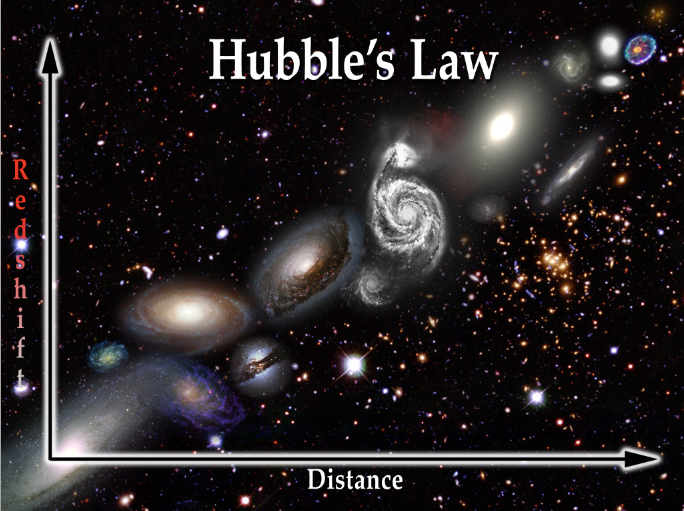
What is the Hubble Law?
Last week, I teased you with the idea that it’s actually easy to estimate distances to galaxies. I do mean estimate — and distance indicators are still important. The Hubble Law is named for Edwin Hubble, the astronomer who was…
-
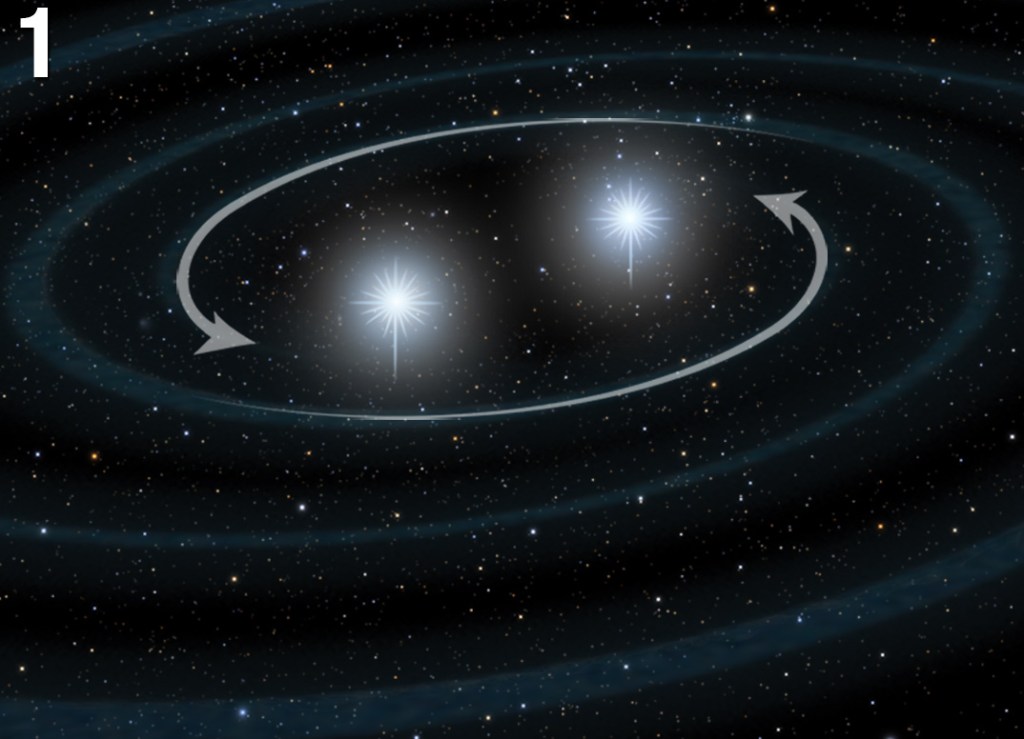
Binary Neutron Stars
Way back when we spent a number of posts surveying the stars, we covered binary systems. These are star systems that contain multiple stars. Imagine if our sun had a companion, and two stars rose and set in our sky…
-
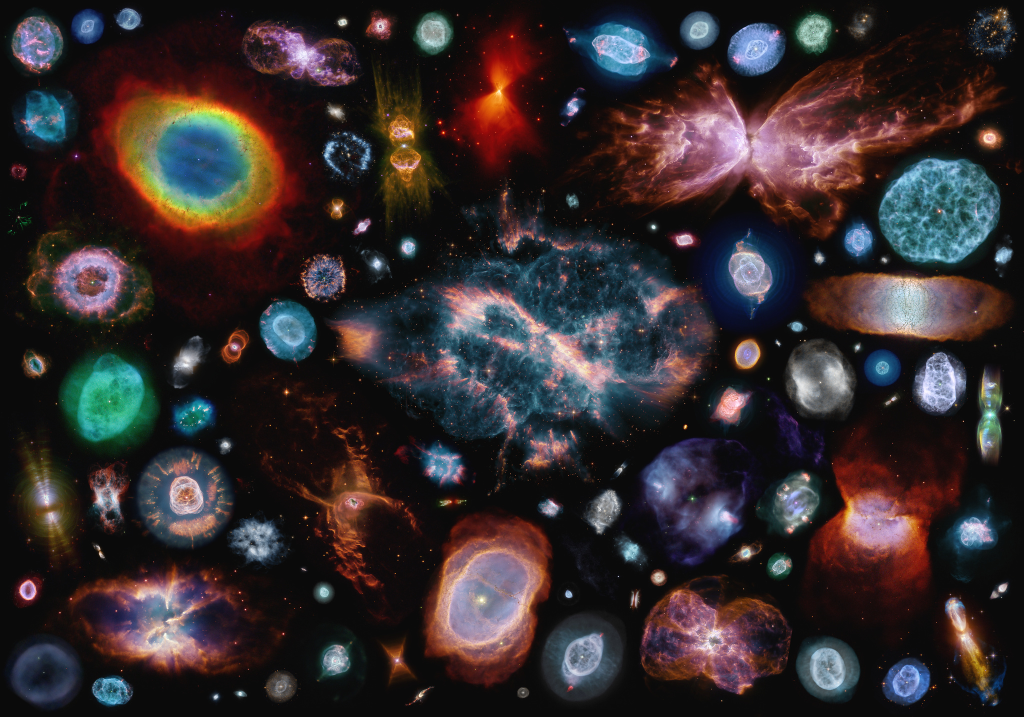
What are Planetary Nebulae?
Meet the planetary nebula, one of the universe’s most gorgeous phenomena. If you’ve ever looked through a telescope, you may have seen one of these before. Through a small telescope, one might look like a little planet — hence the…
-
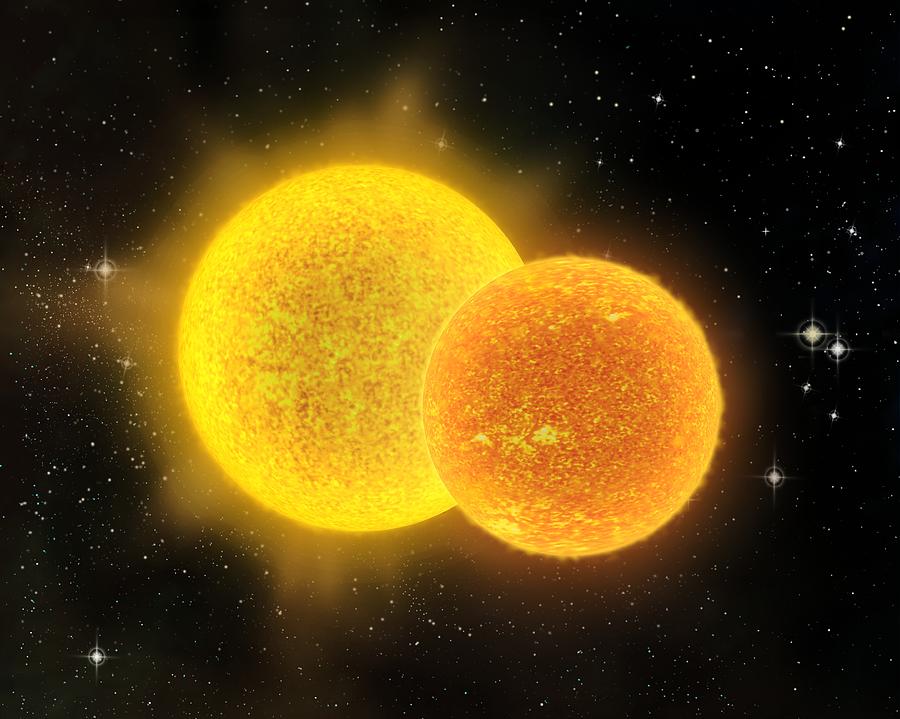
Spectroscopic Binary Stars
Consider a solar system far different from our own. A solar system governed by two suns, and consisting of planets we can only dream of. Would it surprise you to hear that, based on recent discoveries, that might actually be…
-

What Makes a Star Blue?
Albireo is the distinctive double star in the head of the constellation Cygnus. You can find it yourself if you look for the Summer Triangle amid the dusty trail of the Milky Way across the night sky. The brighter, orange…
-

Stars and Proper Motion
Recognize this constellation? Well, at the time stamp of about 2000 AD (CE), I think you will. It’s one of the most famous constellations in the night sky. Well, technically, it’s not a constellation at all. It’s an asterism — a…
-

Our Sun: Helioseismology
We can’t see below the surface of the sun. That makes sense, really. We can’t see below the surface of the Earth, either — we have to get creative if we want to find out what goes on below the…
-

Our Sun: The Photosphere
Recognize this? You might, if you’ve ever seen the sun through a telescope before. What you’re seeing is the photosphere, the layer of the sun whose light reaches Earth. This is the only layer you’ll ever see, without the aid…
-
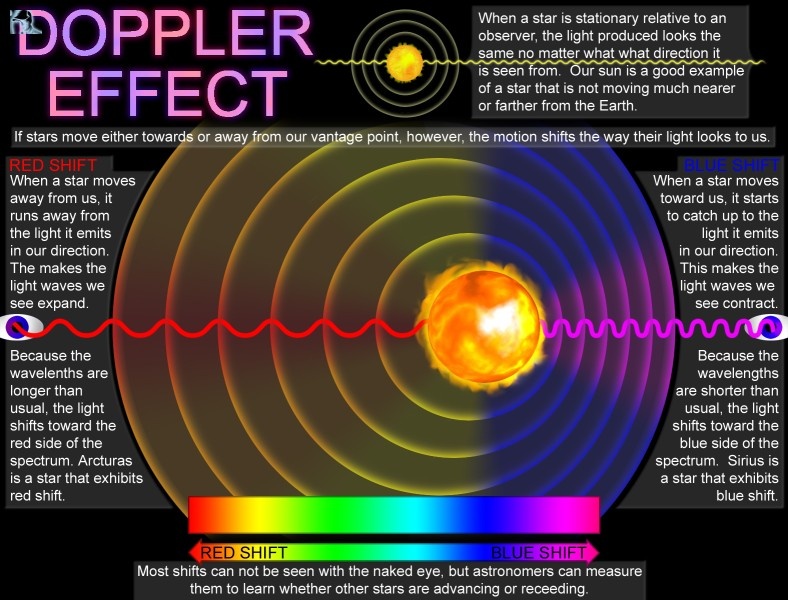
The Doppler Effect
Have you ever heard the ice cream truck? When I was little, I remember hearing the ice cream truck all the time. Just the sound of the opening notes of “Pop Goes the Weasel” were enough to propel me to…
