giant molecular clouds
-

The Milky Way Demystified
Alright, people…time to finish off our exploration of the Milky Way Galaxy, our home in the cosmos! For the past nine weeks, we’ve covered everything from how our galaxy was “discovered” to how it may have formed. But there’s so…
-
Exploring the Milky Way’s Nucleus
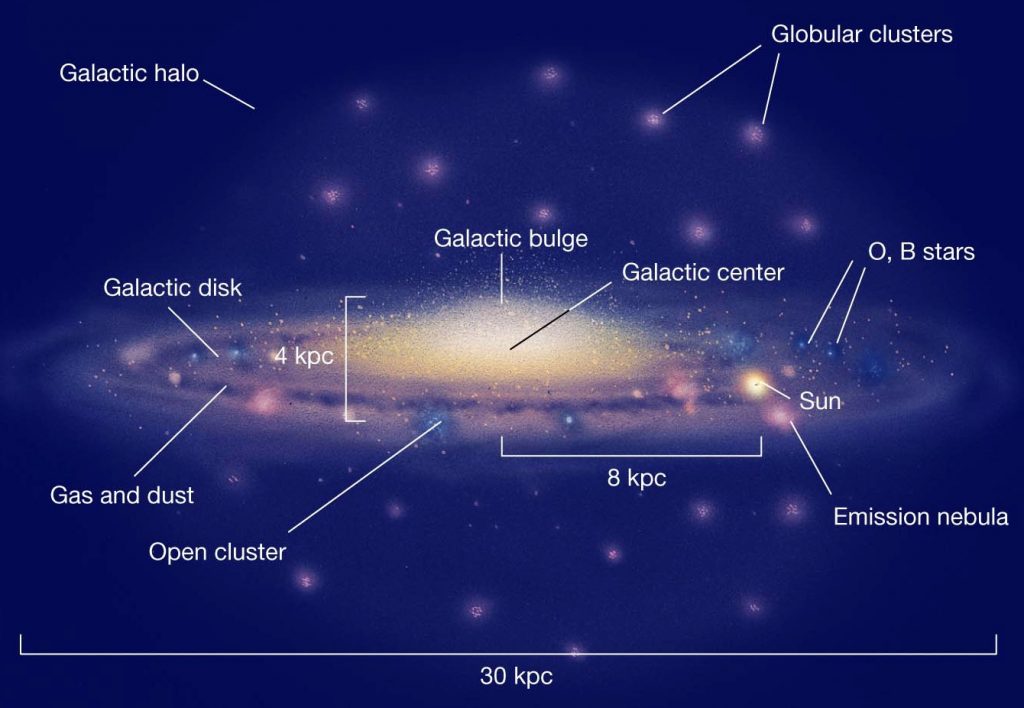
Here is an edge-on illustration of our Milky Way Galaxy. (Keep in mind that the disk actually stretches quite a bit farther out from the budge than is apparent in this illustration. Proportionally, its full diameter makes its thickness less…
-

What Are Spiral Arms?
Probably the most spectacular feature of our Milky Way galaxy is its spiral arms. We can’t get a probe far enough out yet to take a galactic selfie, but astronomers are reasonably sure that we live in a spiral galaxy.…
-

Exploring the Milky Way’s Spiral Arms
The Milky Way — our home galaxy — is a spiral galaxy, a classification I often describe as pinwheel-shaped. The main difference between a spiral galaxy’s shape and a pinwheel’s shape is that spiral galaxies, like the Milky Way, only…
-

Stellar Evolution Demystified
Whaddya know…after what seems like a geological age, we’re finally done with stellar evolution! And we’ve covered a truly ridiculous amount of information. We’ve covered a star’s relatively gentle, humble beginnings within the collapsing cores of giant molecular clouds (or…
-

Unique Neutron Stars
Neutron stars — the compact remains of massive stars that have gone supernova — are some of the most extreme objects in the universe, narrowly beaten by black holes (and, as we’ll talk about in future posts, active galaxies and…
-
What are Planetary Nebulae?
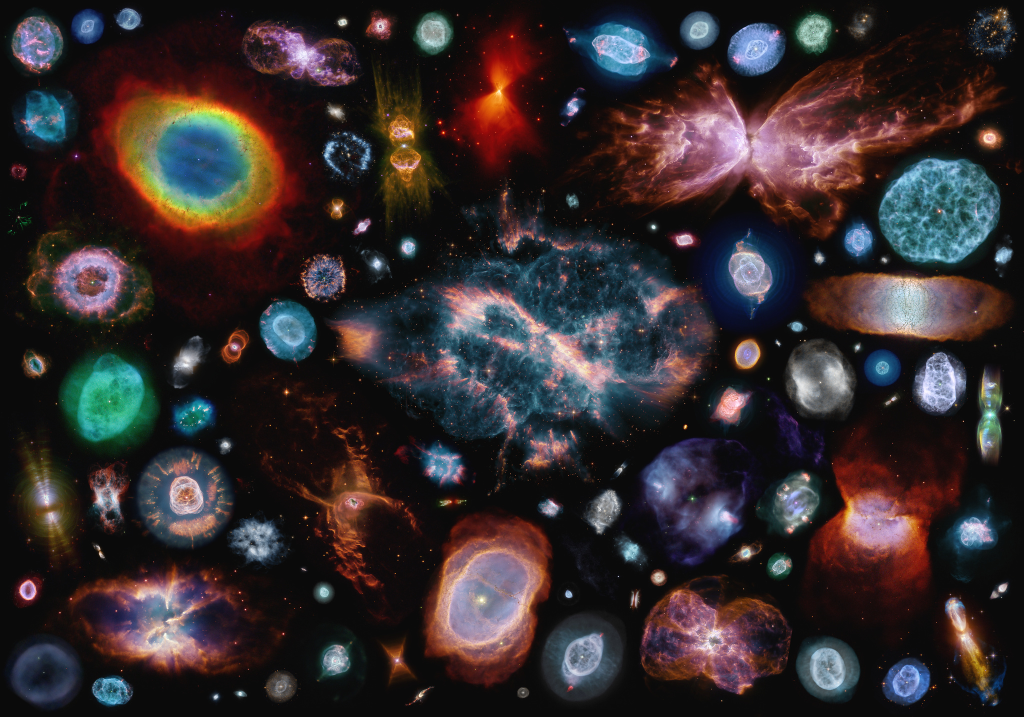
Meet the planetary nebula, one of the universe’s most gorgeous phenomena. If you’ve ever looked through a telescope, you may have seen one of these before. Through a small telescope, one might look like a little planet — hence the…
-
Story of a Star Cluster
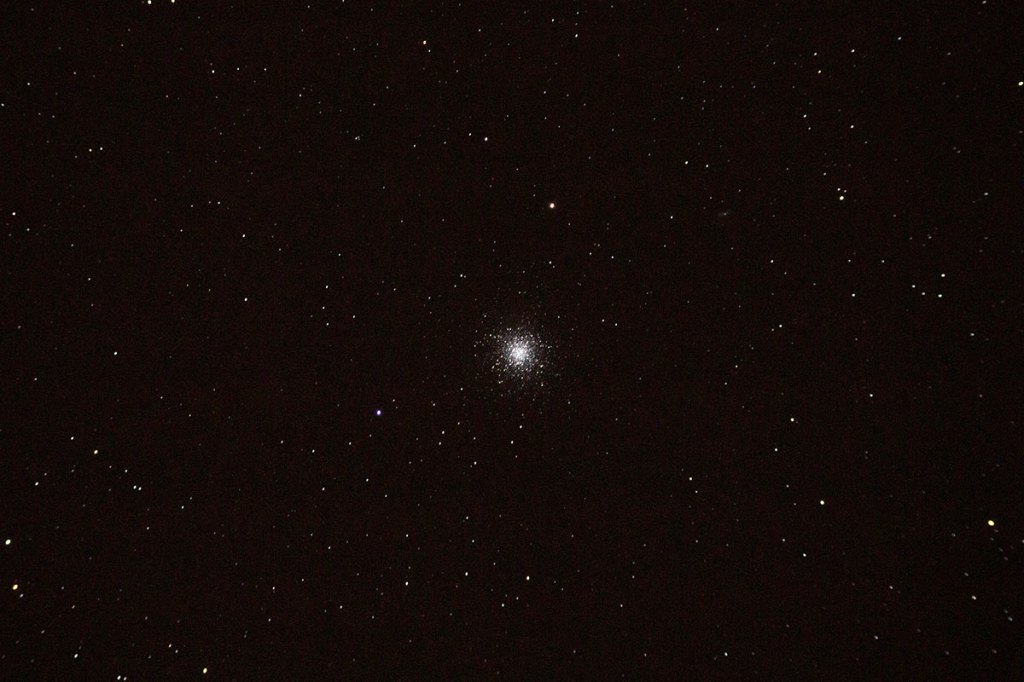
Meet M13, one of my favorite globular star clusters. M13, also known as Messier 13 or the Hercules Cluster, is found — surprise surprise — in the constellation Hercules in the northern hemisphere. The really cool thing about star clusters…
-

Stars: The Limits of “Normal”
How big — or small — can a star get? As with most questions in astronomy, the answer to that is not definitive. But stellar models can give us a pretty good idea. Mathematical models of stars tell us that…
-
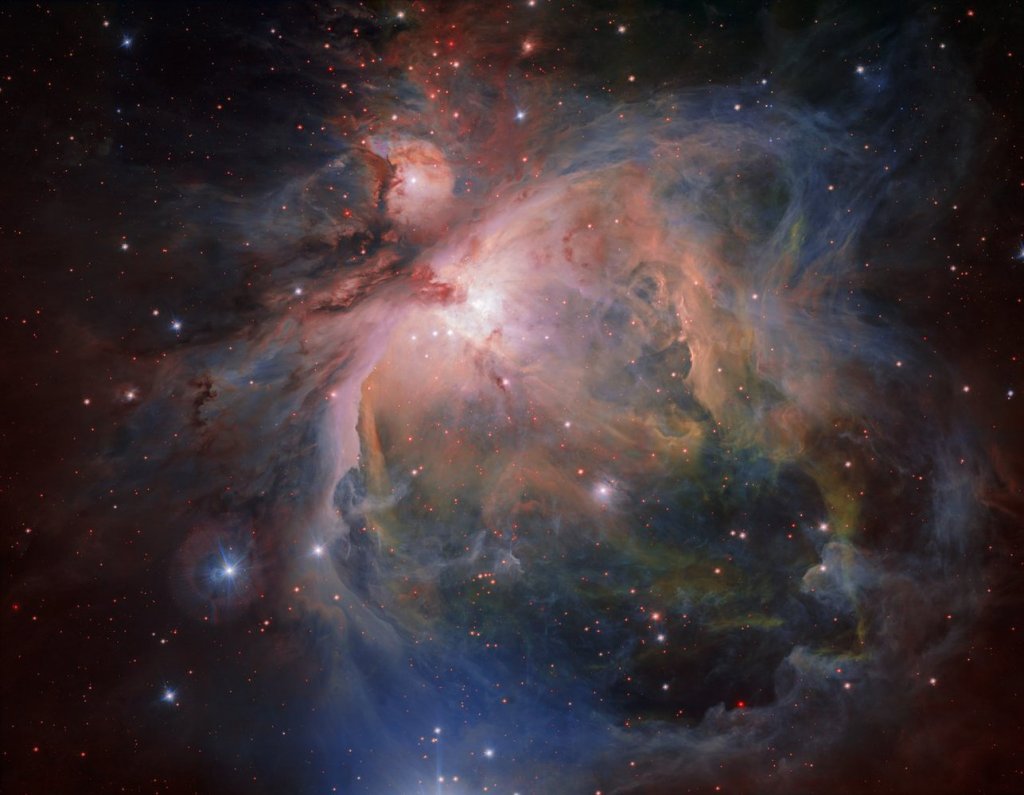
What is Contagious Star Formation?
Recognize this nebula? Yeah…we’re talking about the Orion Nebula again. I know, we already took a tour through the Orion constellation in my last post…but there’s still more to cover about how stars come to life, and Orion is still the…
