
H-R diagram
-
Globular Clusters: The Untold Story
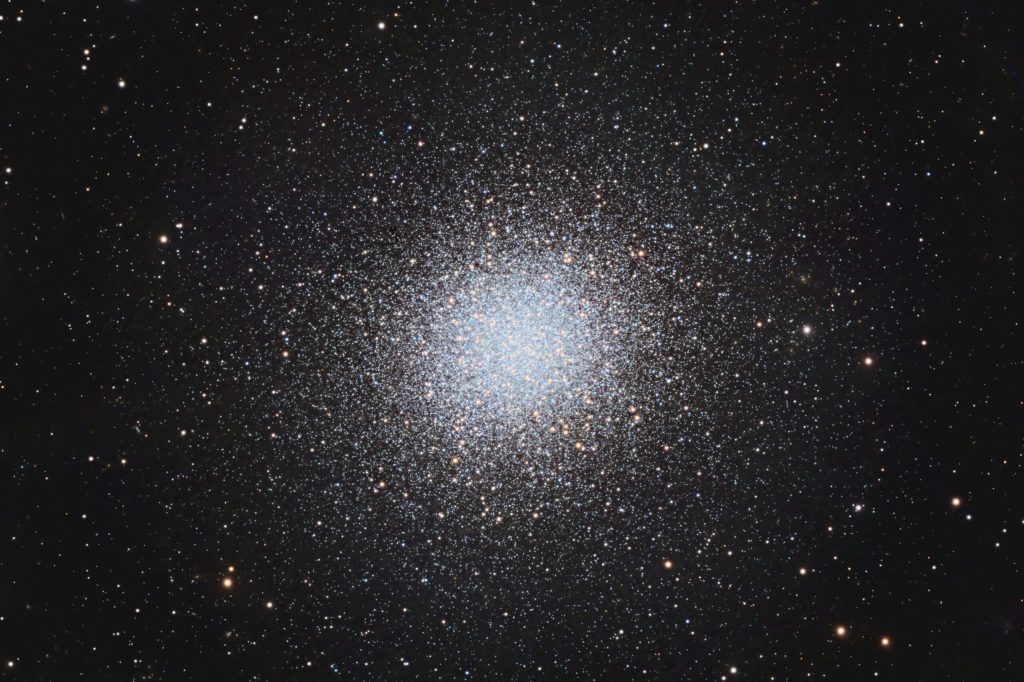
Meet Messier 13: my sentimental favorite globular cluster. For more than a decade now, one of my favorite things has been to set up my telescopes at astronomy outreach events and show people the night sky. I have two telescopes…
-
How Big is the Milky Way?
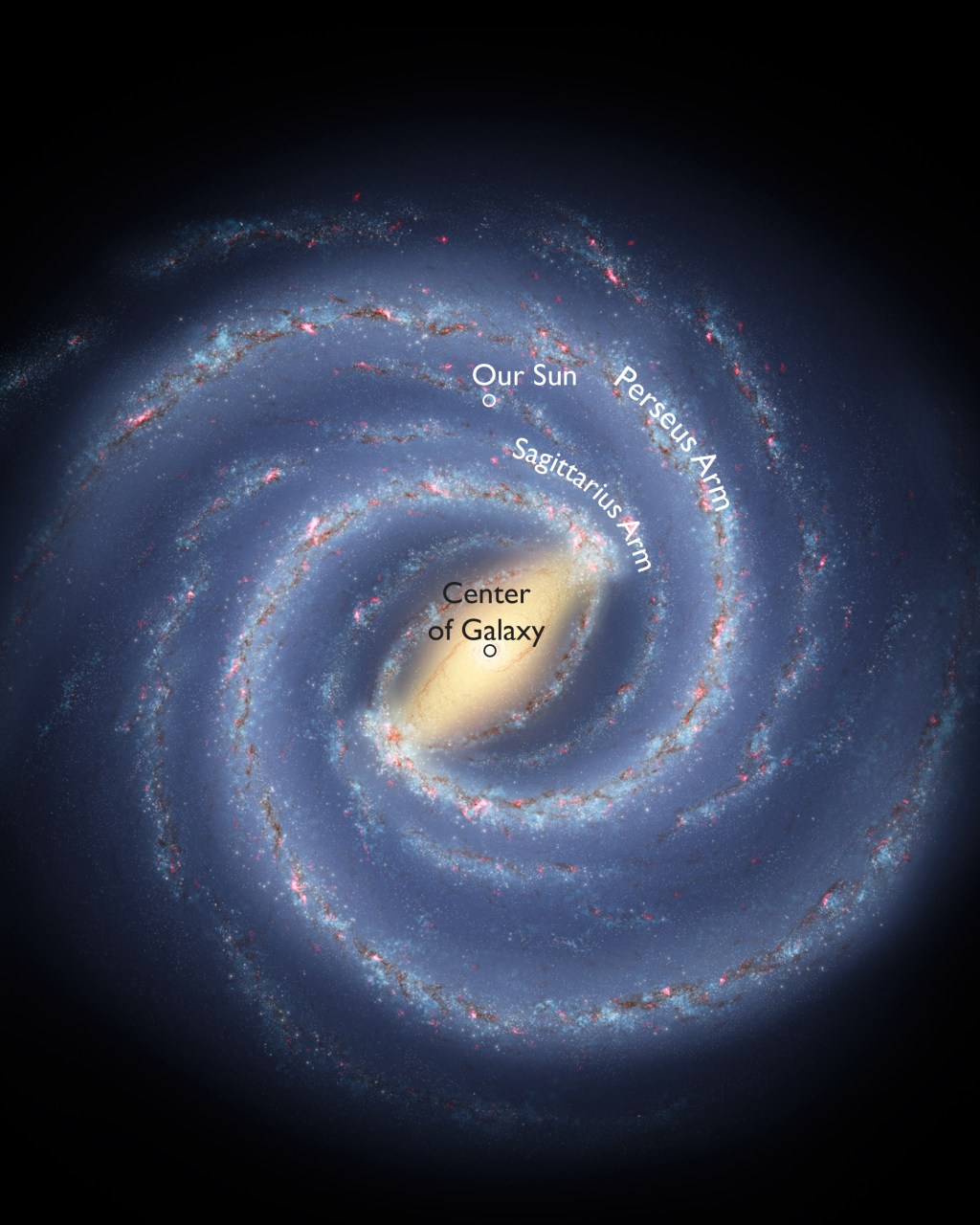
How big is our galaxy, anyway? And more than that — how do we know? Consider that we can’t really take a photo like this of our galaxy. We’re inside it, and space travel has not advanced to the point…
-

Stellar Evolution Demystified
Whaddya know…after what seems like a geological age, we’re finally done with stellar evolution! And we’ve covered a truly ridiculous amount of information. We’ve covered a star’s relatively gentle, humble beginnings within the collapsing cores of giant molecular clouds (or…
-

What are White Dwarfs?
Now that we’re finally talking about white dwarfs, we’re getting into the really cool stuff. In my last post, we explored planetary nebulae, and we left off with a question: where does the fast wind that forms planetary nebulae come…
-

How Low-Mass Stars Die
When we talk about star death, we’re not really talking about death. We’re talking about the end of a functioning star. Astronomers tend to personify cosmic objects like stars, saying that they are born and die, when it’s more like…
-

What are Variable Stars?
What if I told you that the “two” stars you see here are actually one and the same? This star, known as L Carinae after its location in the southern constellation Carina, is actually what we call a variable star.…
-
Story of a Star Cluster
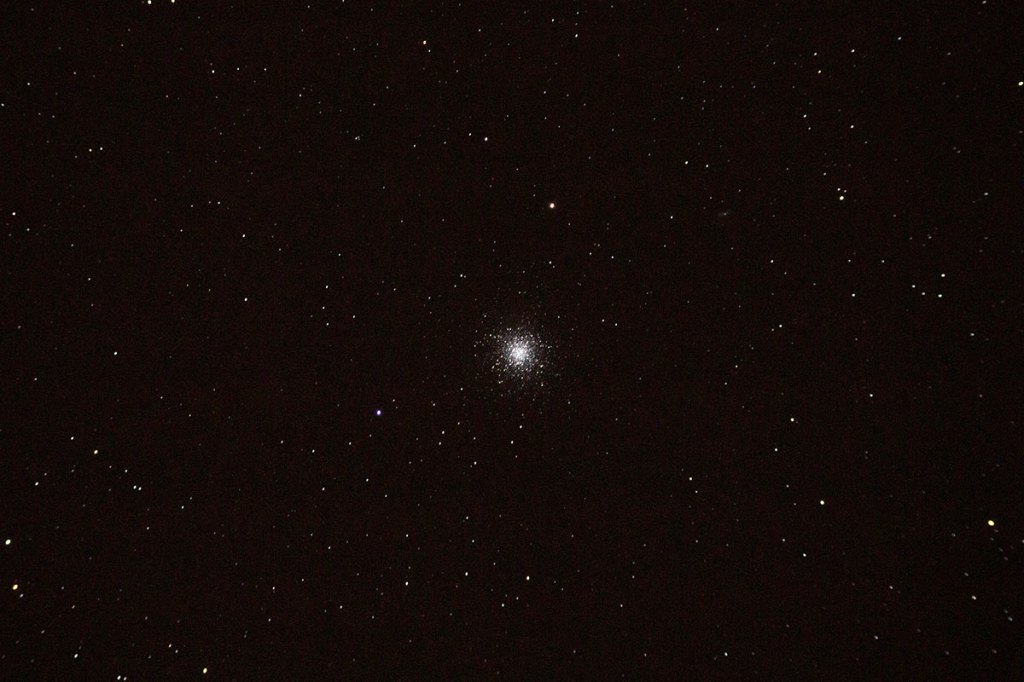
Meet M13, one of my favorite globular star clusters. M13, also known as Messier 13 or the Hercules Cluster, is found — surprise surprise — in the constellation Hercules in the northern hemisphere. The really cool thing about star clusters…
-

What Happens After Helium Fusion?
Back in August — sorry I took so long! — we talked about the helium flash, an explosion that occurs within stars when helium nuclei begin to fuse within a degenerate core. So…this is not what the helium flash would…
-
How a Star Expands
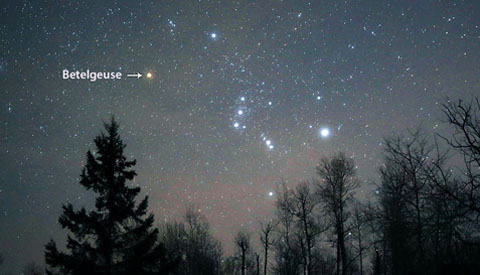
Meet Betelgeuse, a bright star in the winter constellation Orion. Betelgeuse is a cool red supergiant that we’ll talk about a lot more in just a couple weeks, when we cover variable stars. Not too long ago, it was the…
-
The Adult Life of a Star
Stars are like cars. They need fuel to go. And also like cars, they don’t have an infinite supply. But here’s where the metaphor breaks down. They can never refuel. Yup. That’s right. For their entire lives, stars are stuck…
