
hydrogen shell
-

How Massive Stars Die
When people think of star death, they most often think of supernovae (plural for supernova). So why haven’t I spent the past bunch of posts on star death talking about them? Because supernovae are not actually the most common fate…
-

What Happens After Helium Fusion?
Back in August — sorry I took so long! — we talked about the helium flash, an explosion that occurs within stars when helium nuclei begin to fuse within a degenerate core. So…this is not what the helium flash would…
-

Helium Ignition in Stars
When I first began learning about stars, I expected them to be violent and chaotic places. And to an extent, they certainly are. Pressures are unbelievably high in their cores — high enough to smash protons together, and this is…
-
What Happens in an Expanding Star’s Core?
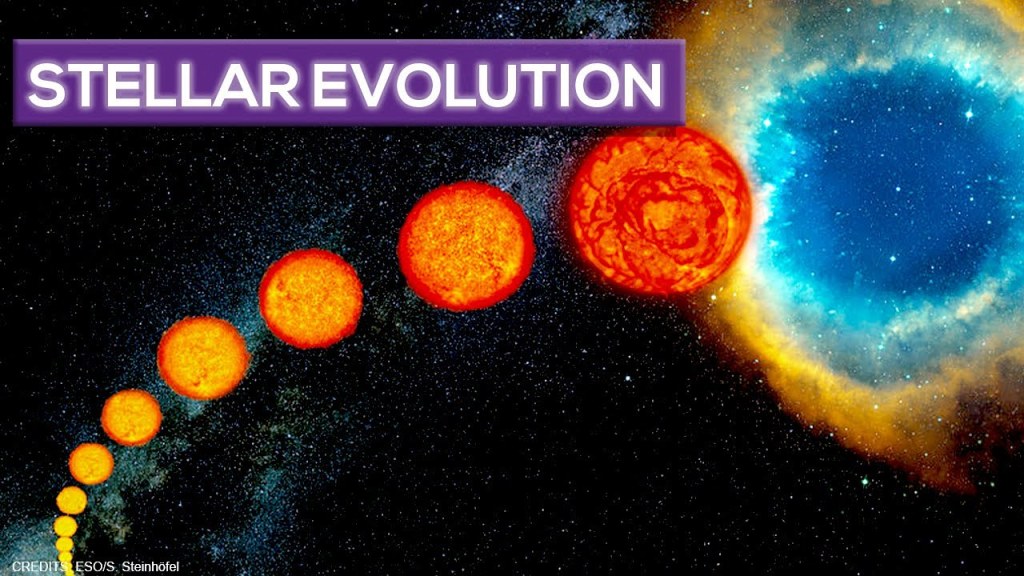
Depending on their mass, stars can remain stable for millions and even billions of years. The most massive stars live for “only” about 10 million years, but models predict that the least massive live for much longer — longer than…
-
How a Star Expands
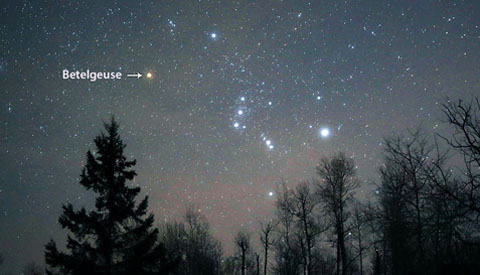
Meet Betelgeuse, a bright star in the winter constellation Orion. Betelgeuse is a cool red supergiant that we’ll talk about a lot more in just a couple weeks, when we cover variable stars. Not too long ago, it was the…
