inverse square law
-

What About Pluto?
In my last post, we explored the two types of planets: terrestrial (Mercury, Venus, Earth, and Mars) and Jovian (Jupiter, Saturn, Uranus, and Neptune). Pluto was conspicuously absent from the lineup…especially considering that we took a peek at the moon.…
-

How Low-Mass Stars Die
When we talk about star death, we’re not really talking about death. We’re talking about the end of a functioning star. Astronomers tend to personify cosmic objects like stars, saying that they are born and die, when it’s more like…
-

What is Gravity, Anyway?
Q: What is gravity? (asked by Simon) Wow…great question. This is a question the greatest scientific minds have asked and tried to answer for centuries. It’s a question not even Stephen Hawking, the scientific genius of the century, has fully…
-
The True Brightness of Stars
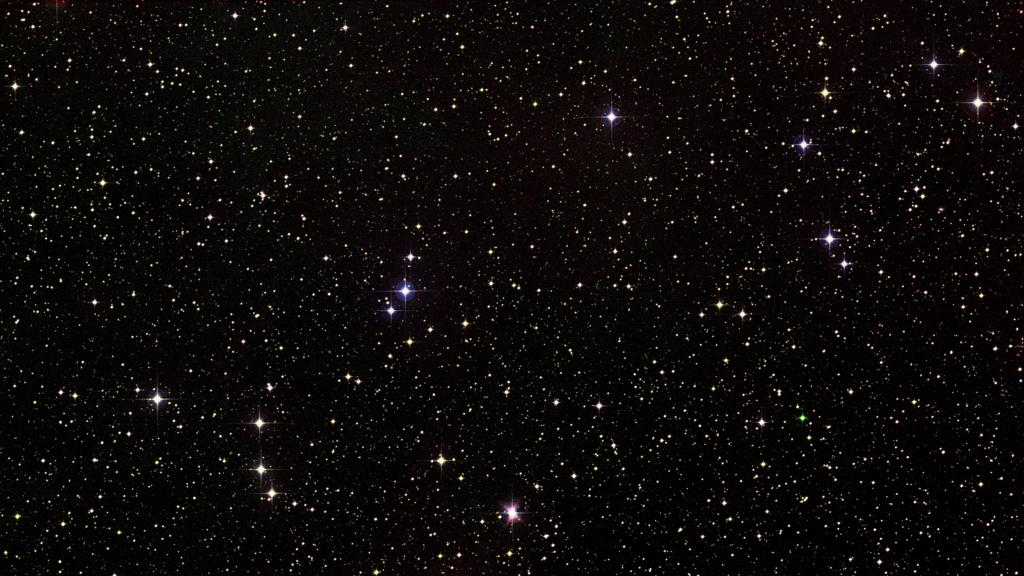
Have you ever looked up at the night sky and noticed that while relatively bright stars outline the constellations, there are numerous other stars that are almost too faint to see with the naked eye? If you ever noticed this,…
-
Newton and Gravity
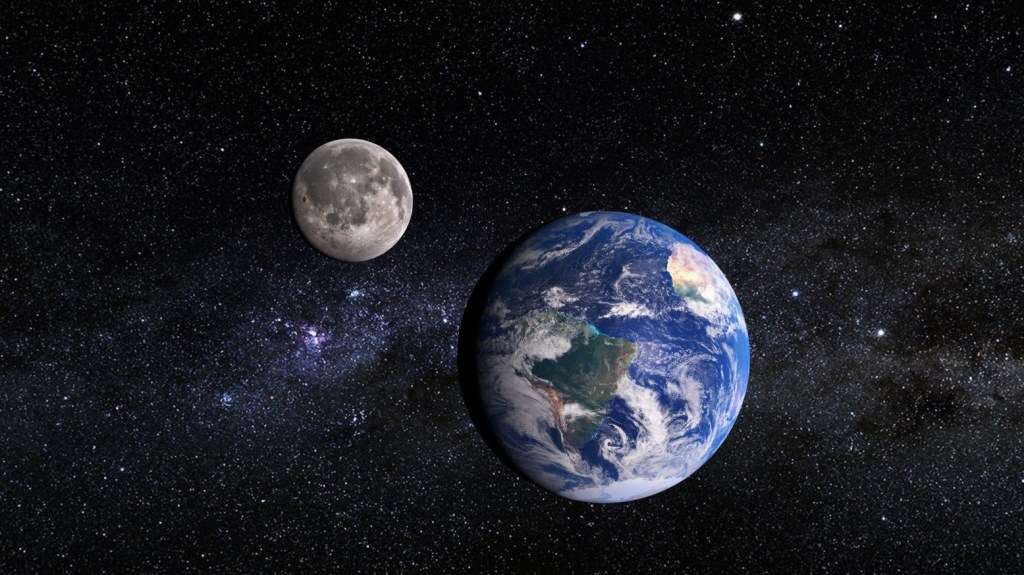
So, the moon stays in orbit around the Earth, right? Yeah, I thought so. But why? The moon’s orbit is not a straight line, which means it’s accelerated motion (using the physics definition, which is absolutely any change in speed or…
