
Observational Astronomy
-

The Messier Marathon
Have you heard of the Messier Marathon? If you travel in astronomy circles, you’re bound to have heard of it around this time of the year. Every March and April, astronomers from across the northern hemisphere embark on a challenge:…
-

Another Astrophotography Night!
Last night, I headed out to my driveway again and set up my C11 — but this time, I borrowed my dad’s camera! I’m just starting out, and I haven’t done anything with these photos yet. I’ve installed Deep Sky…
-
Tonight’s Saturn
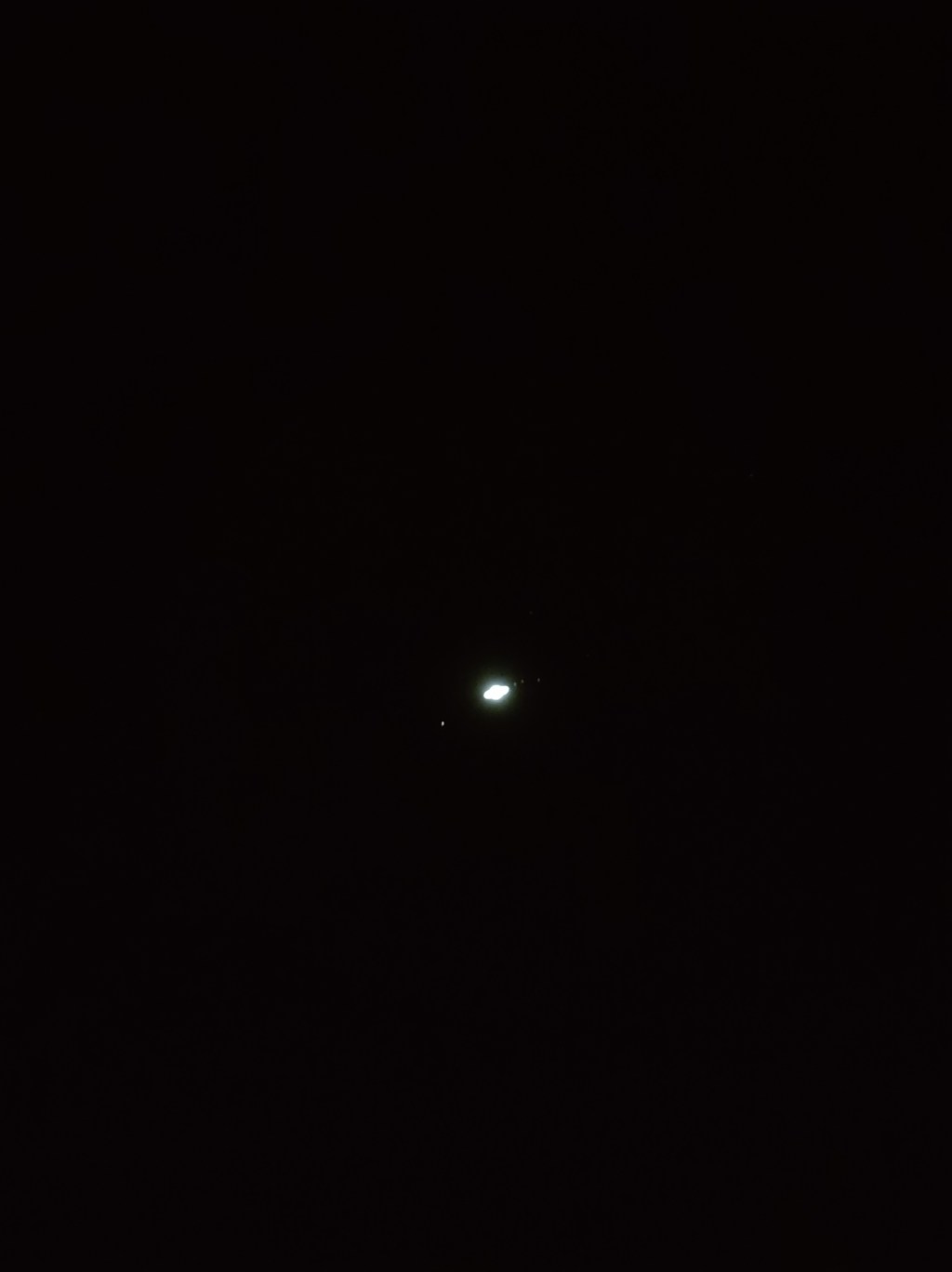
You guys are probably wondering where I’ve been, huh? For the better part of this year, I’ve been hard at work at my novel, at the expense of pretty much everything else — and I’m pleased to report it’s almost…
-
How Deep-Sky Catalogs Work
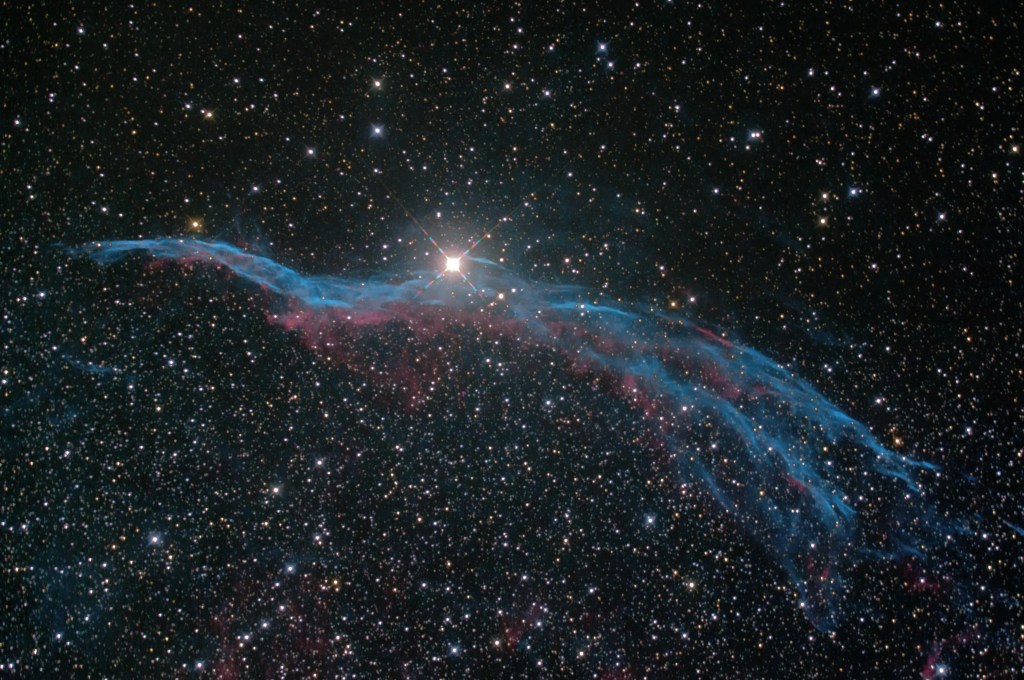
Meet the Veil Nebula, one of my favorite deep-sky objects. The Veil is one of the more common star party requests I get from more experienced participants. Unfortunately, it requires a very powerful telescope. My 11-inch Schmidt-Cassegrain — pretty advanced,…
-

Cosmic Rays
Cosmic rays remain, for the most part, a cosmic mystery. But then, what about the universe doesn’t still remain partially shrouded in mystery? Cosmic rays are radiation, but they’re not electromagnetic. That is, they’re not on the electromagnetic spectrum. So,…
-

Infrared & High-Energy Astronomy
You probably recognize this image. You see something like it whenever you look up at the sky. Some days are clearer than others — some, you might even see a completely blue sky — but regardless, you know that this…
-
The Hubble Space Telescope
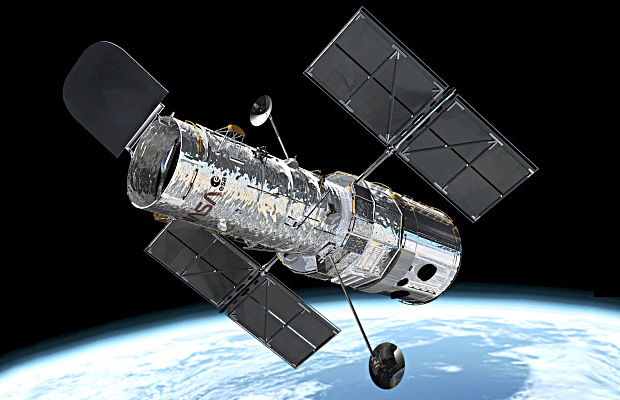
The Hubble Space Telescope is one of the most famous telescopes in the world. Oops, excuse me — one of the most famous telescopes built. Hubble, after all, is certainly not in this world. Unless you call the universe the “world,”…
-

Radio Astronomy: Advantages
Whoa…what’s this thing? It’s a radio telescope, the largest in the world. It’s so huge that a normal support system can’t support its weight. So it’s basically suspended between three mountaintops. It’s 300 m across, which is 1000 feet. It’s…
-

Radio Astronomy: Limitations
Astronomy is a labor of love, and radio astronomy is no different. As I covered in my last post, radio astronomy deals with the longest wavelengths of the electromagnetic spectrum (a spectrum that includes visible light). Radio waves are not sound…
-

Radio Astronomy
Ever seen one of these before? Yeah, it’s a bit bigger than your average radio antenna. That’s because its job isn’t to direct radio signals to your house. It’s a radio telescope, and its job is to collect as many radio…
