observations
-
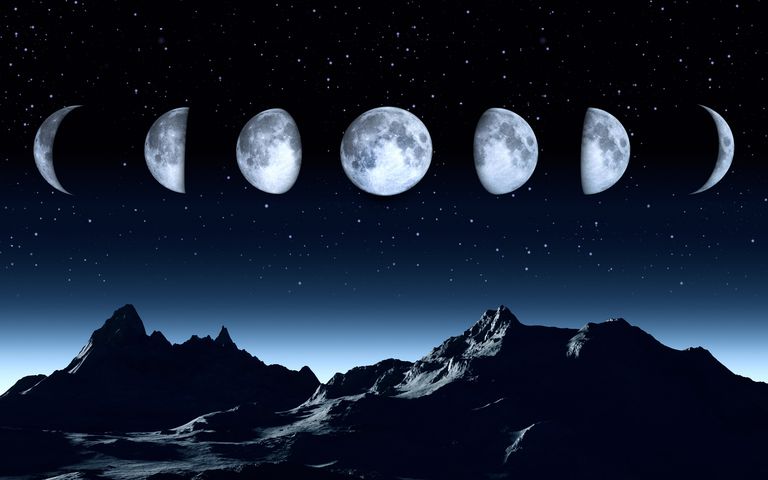
What Causes the Lunar Phases?
We see it almost every night of our lives. For thousands of years, the greatest philosophers and astronomers alike have watched its face change and wondered why. Step outside and observe the moon every day for a month and you…
-
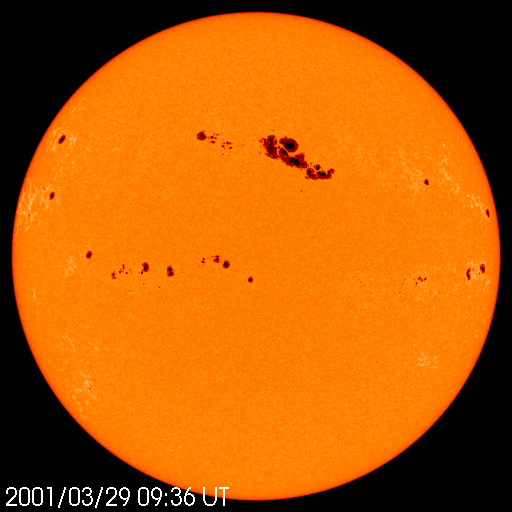
Spots on the Sun
Have you ever looked at the sun, and seen something like this? Now, before you decide to look at it right now and see what you see, it’s my responsibility as an amateur astronomer to remind you of the safety…
-
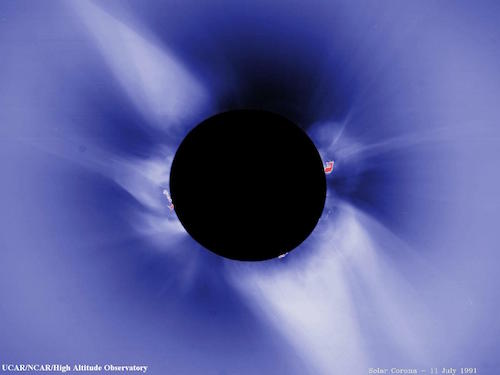
Our Sun: The Corona
When we observe our sun’s corona, we discover something odd. It’s really, really hot. But…wait a second. How is that odd? Shouldn’t the sun be hot? Well…yes. It should, and it is. Its surface temperature is almost ten thousand degrees…
-

Cosmic Rays
Cosmic rays remain, for the most part, a cosmic mystery. But then, what about the universe doesn’t still remain partially shrouded in mystery? Cosmic rays are radiation, but they’re not electromagnetic. That is, they’re not on the electromagnetic spectrum. So,…
-
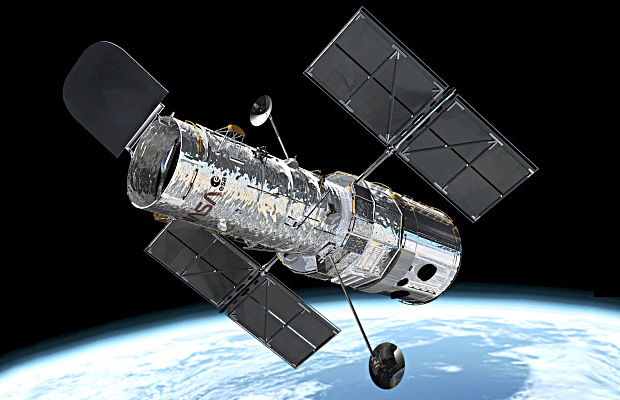
The Hubble Space Telescope
The Hubble Space Telescope is one of the most famous telescopes in the world. Oops, excuse me — one of the most famous telescopes built. Hubble, after all, is certainly not in this world. Unless you call the universe the “world,”…
-

Interferometry
Imagine you have an image like one of these. This object is faint and faraway, so you can’t make out much more detail. You know that other stars like it — closer, brighter stars — have looked like this and…
-
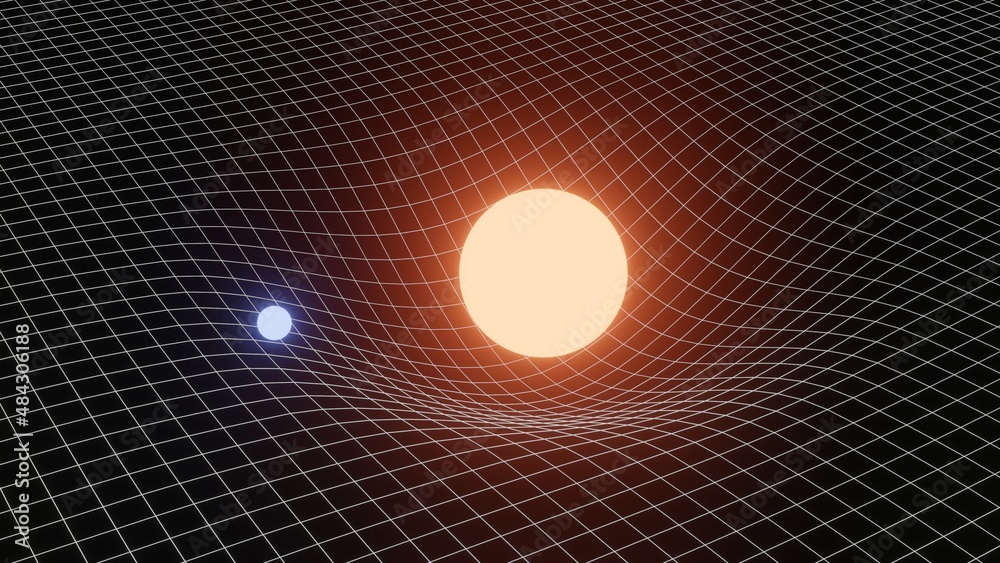
Einstein: Space-Time Curvature
When you hear about “space-time,” it’s just a way to say that space is related to time. And the curvature of space-time, as Albert Einstein predicted, is the way space and time alike literally bend around a mass such as the…
-
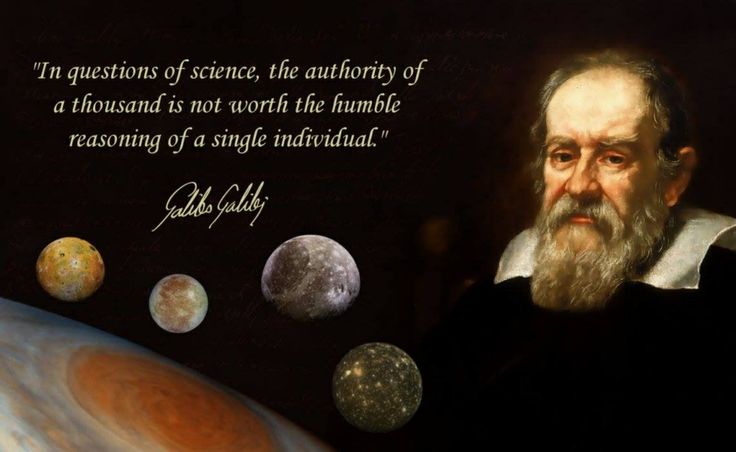
Galileo and the Telescope
When you hear the name “Galileo Galilei,” what immediately comes to mind? If you thought, “inventor of the telescope,” you’re not alone. I also wouldn’t be surprised if you thought “condemned by the Inquisition for believing the Earth orbited the…
-

Johannes Kepler and Planetary Motion
Thales and Pythagoras suggested that the natural world could be understood. Aristotle dared to imagine what was beyond the Earth. Plato encouraged thought about the universe, even if he did take astronomy one step forward and two steps backward. Copernicus…
-

Tycho Brahe, the Observer
It is surprisingly difficult to find a flattering image of Tycho Brahe. Honestly. Do me a favor and do a Google image search for the guy. It’ll come up with all sorts of disfigured images, mostly because his nose got…
