orbit
-

What About Pluto?
In my last post, we explored the two types of planets: terrestrial (Mercury, Venus, Earth, and Mars) and Jovian (Jupiter, Saturn, Uranus, and Neptune). Pluto was conspicuously absent from the lineup…especially considering that we took a peek at the moon.…
-

A Solar System Tour
In the grand scheme of the universe, planets are small. But that doesn’t make them unimportant. We live on a planet. Understanding how planets form and how the evolution of their solar system affects them is critical to answering one…
-

How Massive is the Milky Way?
Over centuries of philosophy and research, through the times of the classical astronomers to Galileo’s observations of the Milky Way, humanity’s understanding of our universe has evolved from a simple model of the sun and planets to a vast wheel…
-
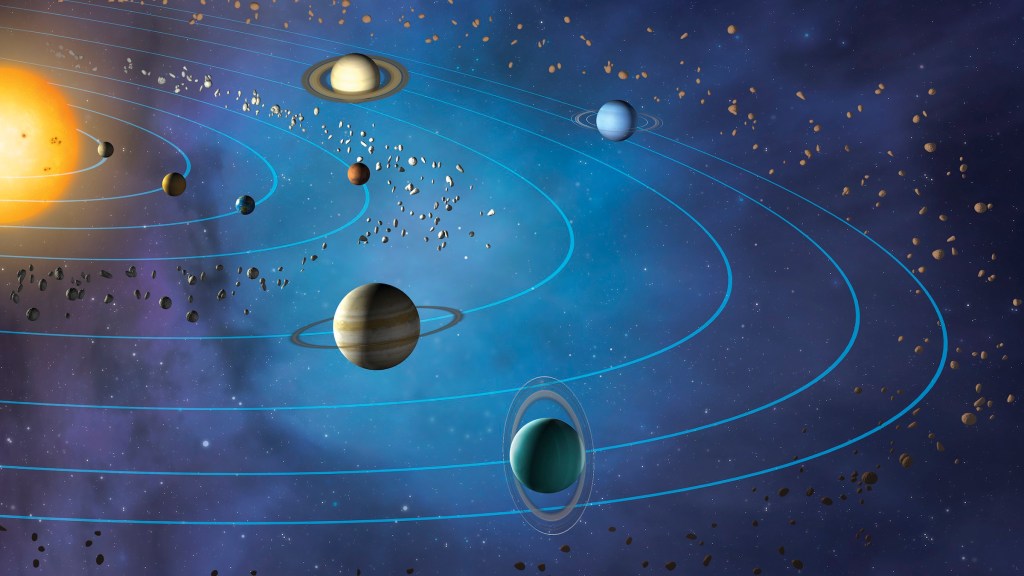
How Orbits Work
Since Aristotle’s time over 2000 years ago, we have accepted that the moon orbits the Earth. We didn’t always know why, and we didn’t always accept this for the right reasons. We used to assume that it happened just because…
-
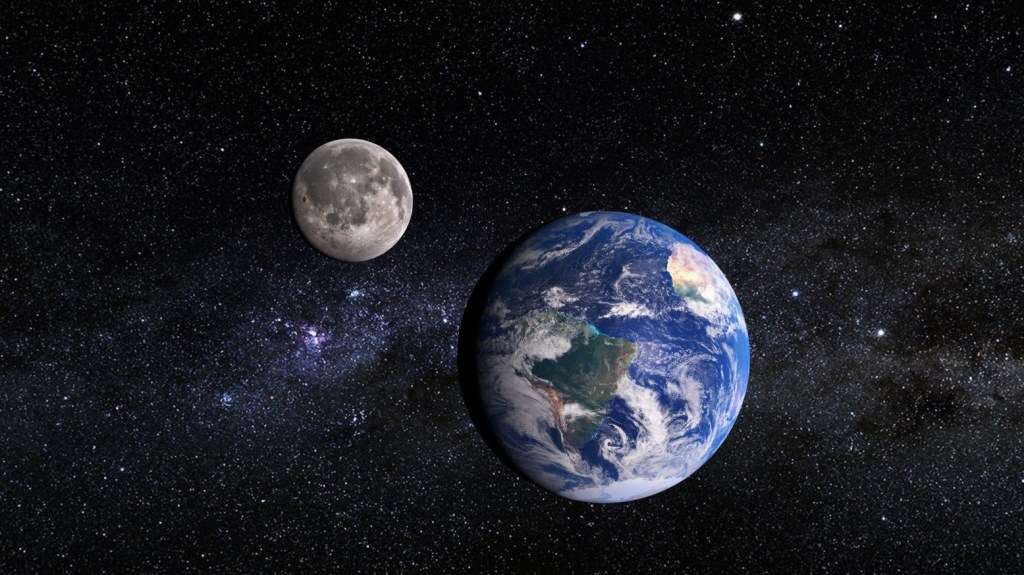
Newton and Gravity
So, the moon stays in orbit around the Earth, right? Yeah, I thought so. But why? The moon’s orbit is not a straight line, which means it’s accelerated motion (using the physics definition, which is absolutely any change in speed or…
-

Johannes Kepler and Planetary Motion
Thales and Pythagoras suggested that the natural world could be understood. Aristotle dared to imagine what was beyond the Earth. Plato encouraged thought about the universe, even if he did take astronomy one step forward and two steps backward. Copernicus…
-
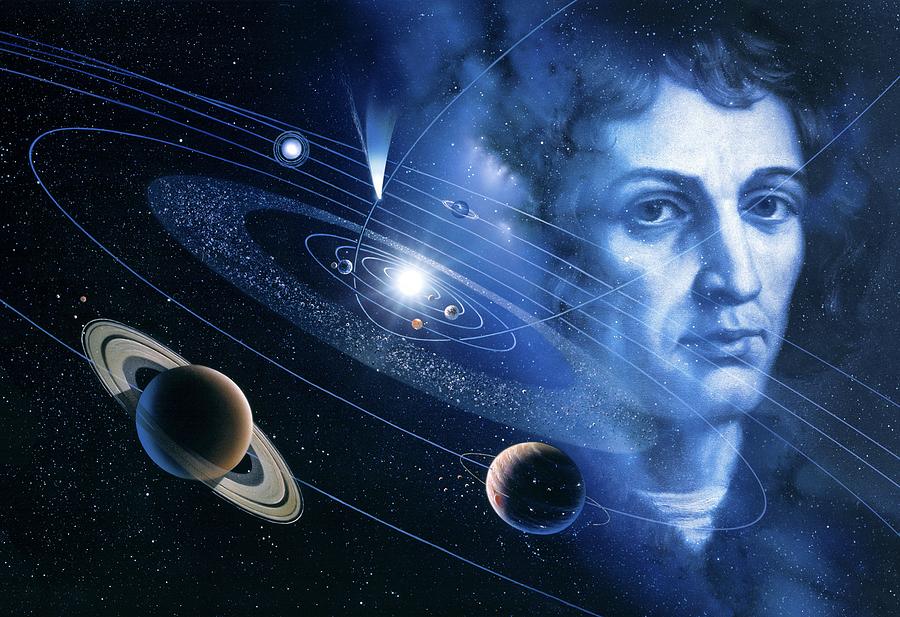
The Copernican Revolution
Nicolaus Copernicus lived from 1473-1543, a time when rebellion against the Church was at its height. And unfortunately for the astronomy of the time, it had gotten inextricably tied up with Christian teachings. In that time, heaven and hell weren’t…
-
The Eclipse Seasons
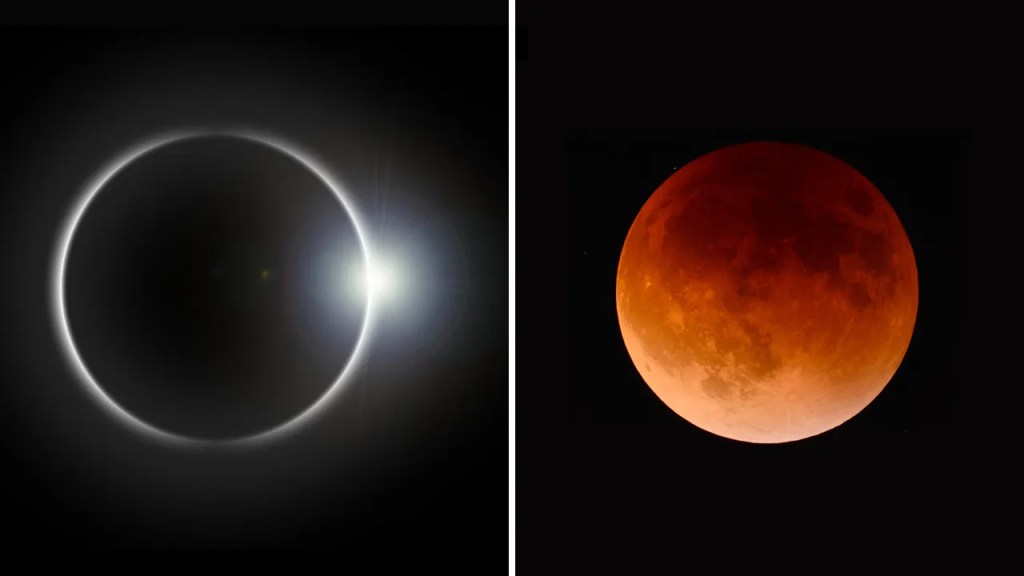
There can be no doubt that solar and lunar eclipses are some of the most fascinating sights for the “naked” eye. (And I say “naked” under the assumption that you know never to look directly at the sun without approved protection!)…
-

Lunar Phases and Motion
The lunar phases…who really understands ’em? We see them all the time. When we look up at the moon in the sky, we’re bound to notice that it looks just a little bit different from the last time we saw…
-

Orbit and Climate
You have probably all heard of ice ages. And no, I don’t mean the Ice Age movies… Although, Ice Age is actually a pretty good example of what happens during a real-life ice age. I haven’t seen enough of the movies to…
