planets
-

What About Pluto?
In my last post, we explored the two types of planets: terrestrial (Mercury, Venus, Earth, and Mars) and Jovian (Jupiter, Saturn, Uranus, and Neptune). Pluto was conspicuously absent from the lineup…especially considering that we took a peek at the moon.…
-

A Solar System Tour
In the grand scheme of the universe, planets are small. But that doesn’t make them unimportant. We live on a planet. Understanding how planets form and how the evolution of their solar system affects them is critical to answering one…
-
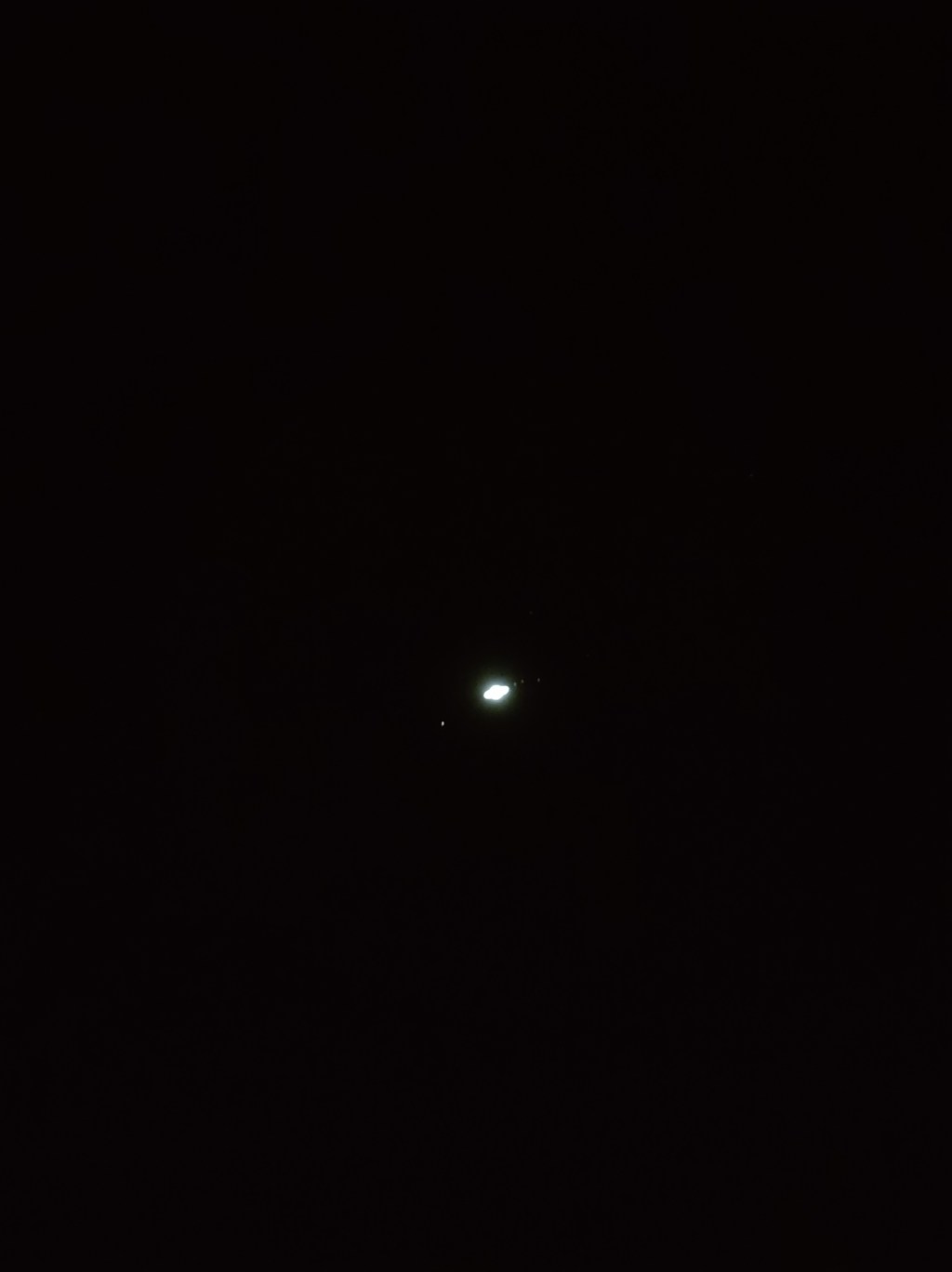
Tonight’s Saturn
You guys are probably wondering where I’ve been, huh? For the better part of this year, I’ve been hard at work at my novel, at the expense of pretty much everything else — and I’m pleased to report it’s almost…
-
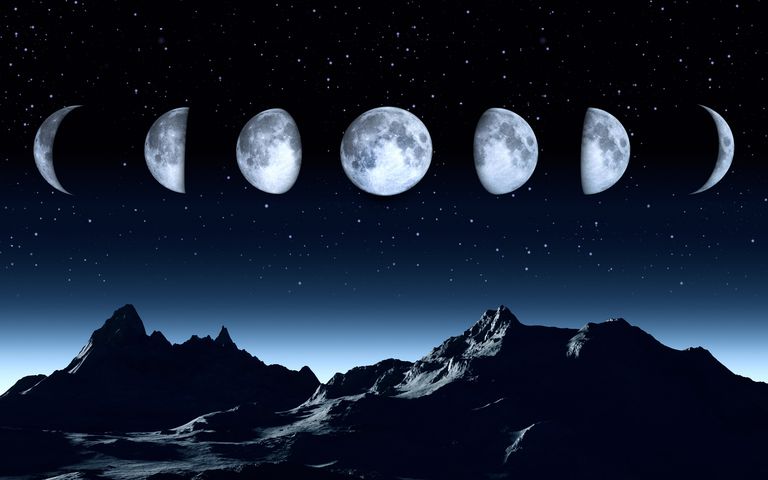
What Causes the Lunar Phases?
We see it almost every night of our lives. For thousands of years, the greatest philosophers and astronomers alike have watched its face change and wondered why. Step outside and observe the moon every day for a month and you…
-
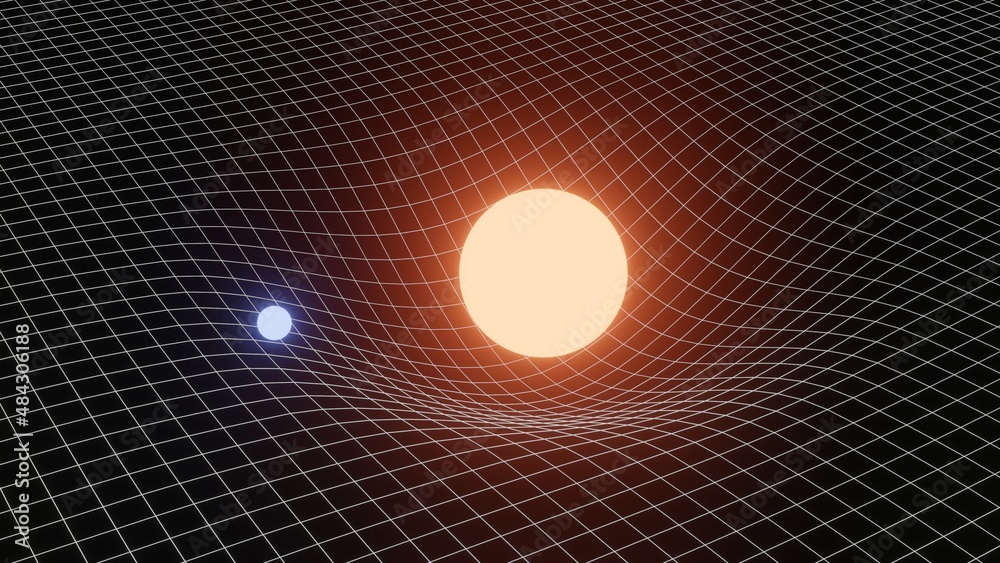
Einstein: Space-Time Curvature
When you hear about “space-time,” it’s just a way to say that space is related to time. And the curvature of space-time, as Albert Einstein predicted, is the way space and time alike literally bend around a mass such as the…
-

Johannes Kepler and Planetary Motion
Thales and Pythagoras suggested that the natural world could be understood. Aristotle dared to imagine what was beyond the Earth. Plato encouraged thought about the universe, even if he did take astronomy one step forward and two steps backward. Copernicus…
-
The Copernican Revolution
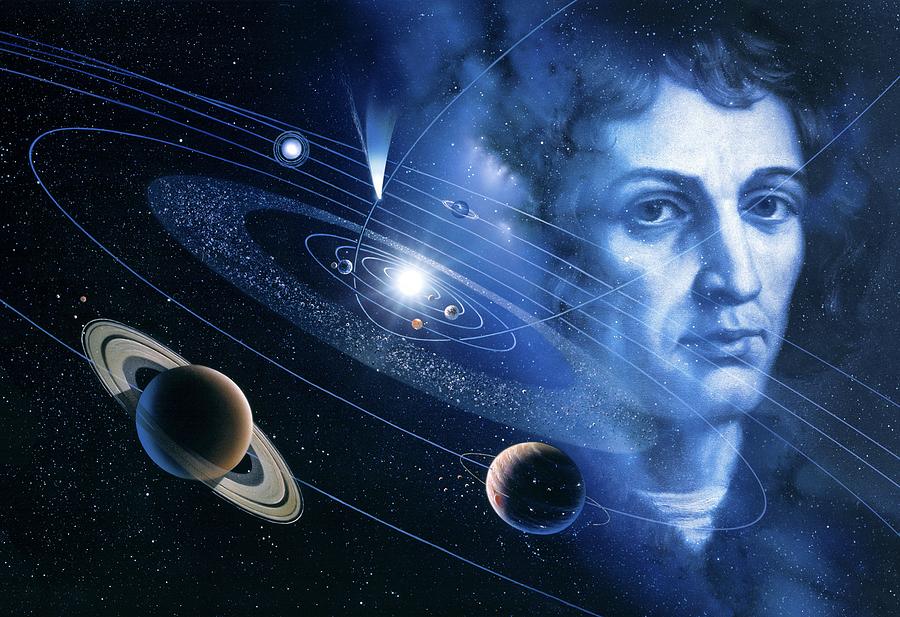
Nicolaus Copernicus lived from 1473-1543, a time when rebellion against the Church was at its height. And unfortunately for the astronomy of the time, it had gotten inextricably tied up with Christian teachings. In that time, heaven and hell weren’t…
-

The Ptolemaic Universe
Claudius Ptolemy lived about five centuries after the Greek philosopher Aristotle’s time. Aristotle’s model for the universe — the first geocentric model, with Earth at the center — was still widely accepted, and Ptolemy sought to improve it. Ptolemy was one…
-

Pseudoscience: Astronomy vs. Astrology
I’m going to venture a guess that you’ve heard of astrology. As an astronomy enthusiast, I run into people who confuse astronomy with astrology all the time. They’re particularly prevalent at work (I don’t work among fellow astronomy geeks at…
-
The Ecliptic
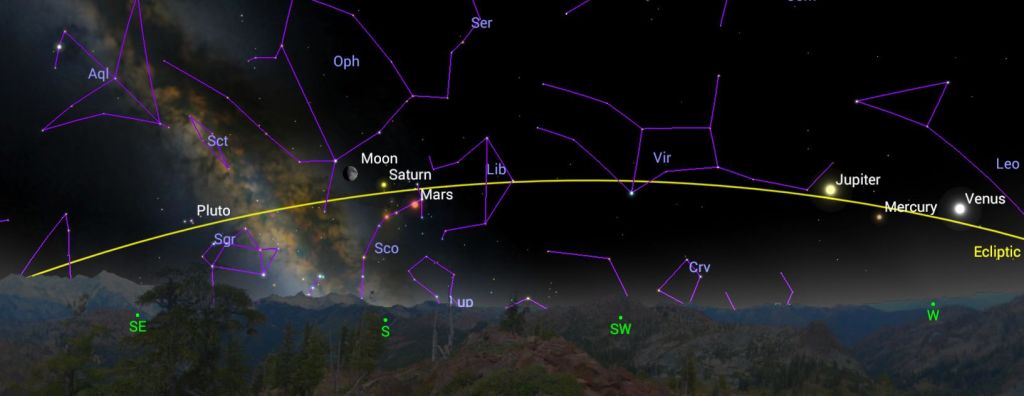
The ecliptic, as astronomers call it, is the apparent path of the sun against the background of the stars in the sky. It’s useful because it tells us how to find the planets in the sky. They can be hard to…
