
resolution
-
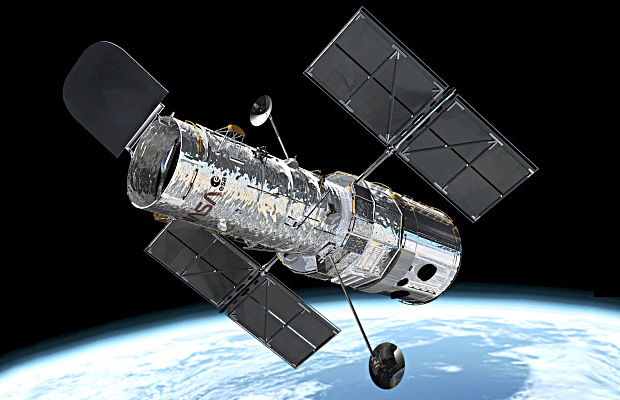
The Hubble Space Telescope
The Hubble Space Telescope is one of the most famous telescopes in the world. Oops, excuse me — one of the most famous telescopes built. Hubble, after all, is certainly not in this world. Unless you call the universe the “world,”…
-

Radio Astronomy: Limitations
Astronomy is a labor of love, and radio astronomy is no different. As I covered in my last post, radio astronomy deals with the longest wavelengths of the electromagnetic spectrum (a spectrum that includes visible light). Radio waves are not sound…
-

Interferometry
Imagine you have an image like one of these. This object is faint and faraway, so you can’t make out much more detail. You know that other stars like it — closer, brighter stars — have looked like this and…
-

Improved Telescope Mirrors
When it comes to telescopes, bigger is always better. Bigger means more light-gathering power and better resolution. And a longer telescope — meaning, a longer focal length — can actually do wonders for your magnification power. Light-gathering power, by the way,…
-
Telescope Powers
Have you seen one of these guys before? You probably have, even if you don’t recognize this brand-new innovation. This is the European Extremely Large Telescope, or the E-ELT. I know, imaginative name, huh? Anyway, it’s not all that different…
