science
-

What is a Lunar Eclipse?
March 2024: This post has been updated and republished from Sept 2017. Show of hands — who’s heard about the lunar eclipse coming up on March 14? As I always do for eclipses, both solar and lunar, I’ve spruced up…
-

Dark Matter: How Do We Know?
In theoretical physics, there are countless theories as to what dark matter is. But how do we know it’s not a wild goose chase? Technically speaking, we don’t. But fortunately for us, this question comes back to one of the…
-
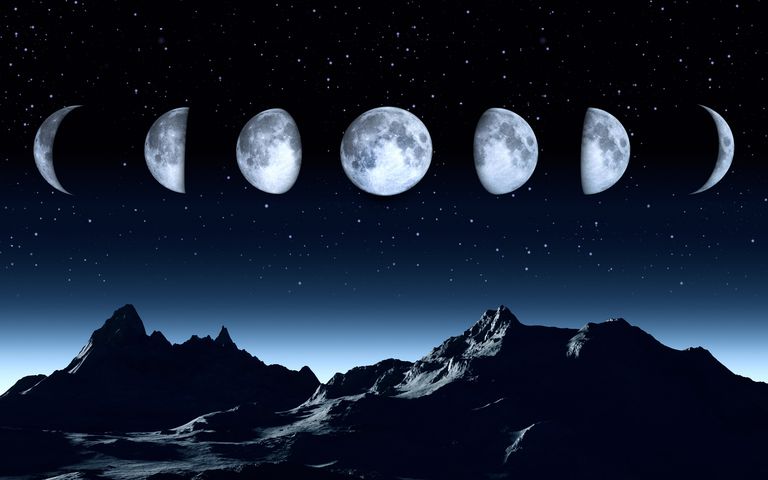
What Causes the Lunar Phases?
We see it almost every night of our lives. For thousands of years, the greatest philosophers and astronomers alike have watched its face change and wondered why. Step outside and observe the moon every day for a month and you…
-

Evidence vs. Belief
I remember something my ninth grade advanced biology teacher told our class. It was essentially a story about an invisible dragon. Now why, you ask, would a biology teacher teach us about an invisible dragon? Her message had nothing to…
-
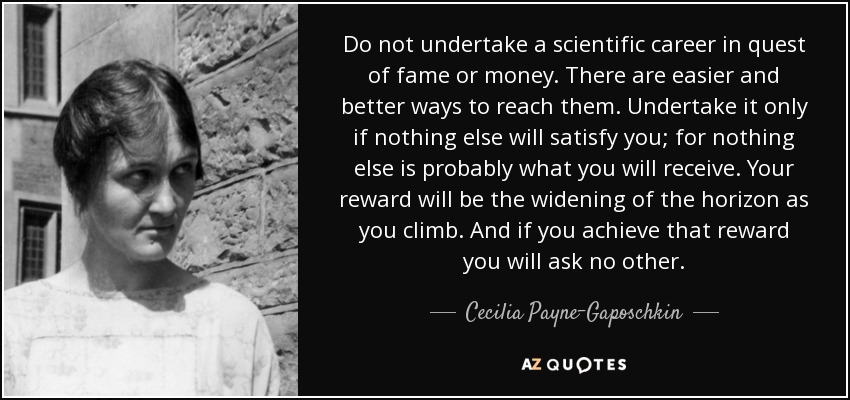
Star Stuff & Cecilia Payne
If this quote really is from Cecilia Payne, then she had the right idea — at least for a female astronomer in the 1920s. Women in science back then faced an uphill battle to get recognized for any discoveries they…
-
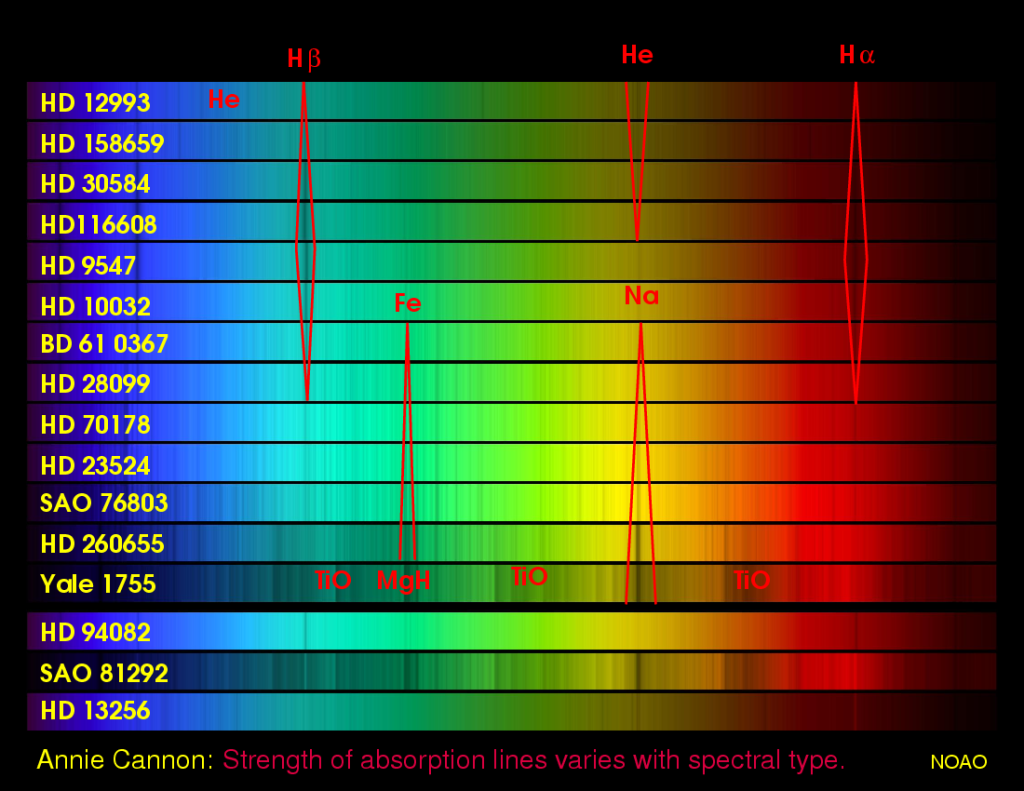
The Atomic Spectrum
Astronomers know that if white light passes through a prism and is bent, it’s separated out into its component colors — the colors of the rainbow. Astronomers also know that when light interacts with atoms, the building blocks of the…
-

Atoms and Radiation
Everything we know about space comes from radiation. Now wait just a moment here. That statement explains how astronomy is such a successful field of science — it’s based entirely on the information we can glean from radiation, after all.…
-
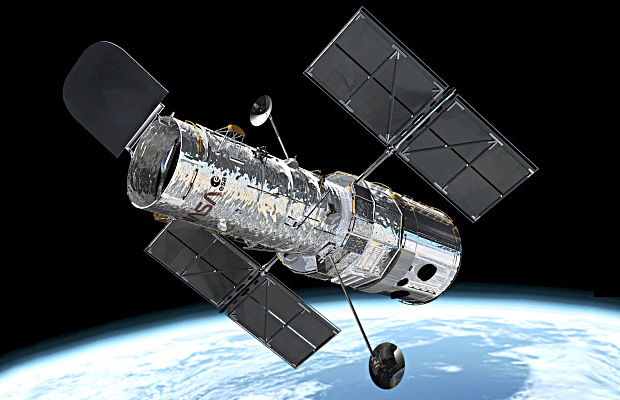
The Hubble Space Telescope
The Hubble Space Telescope is one of the most famous telescopes in the world. Oops, excuse me — one of the most famous telescopes built. Hubble, after all, is certainly not in this world. Unless you call the universe the “world,”…
-

Radio Astronomy: Advantages
Whoa…what’s this thing? It’s a radio telescope, the largest in the world. It’s so huge that a normal support system can’t support its weight. So it’s basically suspended between three mountaintops. It’s 300 m across, which is 1000 feet. It’s…
-

Radio Astronomy: Limitations
Astronomy is a labor of love, and radio astronomy is no different. As I covered in my last post, radio astronomy deals with the longest wavelengths of the electromagnetic spectrum (a spectrum that includes visible light). Radio waves are not sound…
