Star Birth & Structure
-

Stellar Evolution Demystified
Whaddya know…after what seems like a geological age, we’re finally done with stellar evolution! And we’ve covered a truly ridiculous amount of information. We’ve covered a star’s relatively gentle, humble beginnings within the collapsing cores of giant molecular clouds (or…
-

What Goes On Inside a Star?
Our sun is undoubtedly the star we know the best. It’s only 93 million miles away — which might seem far, but isn’t that large a distance when you realize that the nearest neighboring star is a whole 4.3 light-years…
-
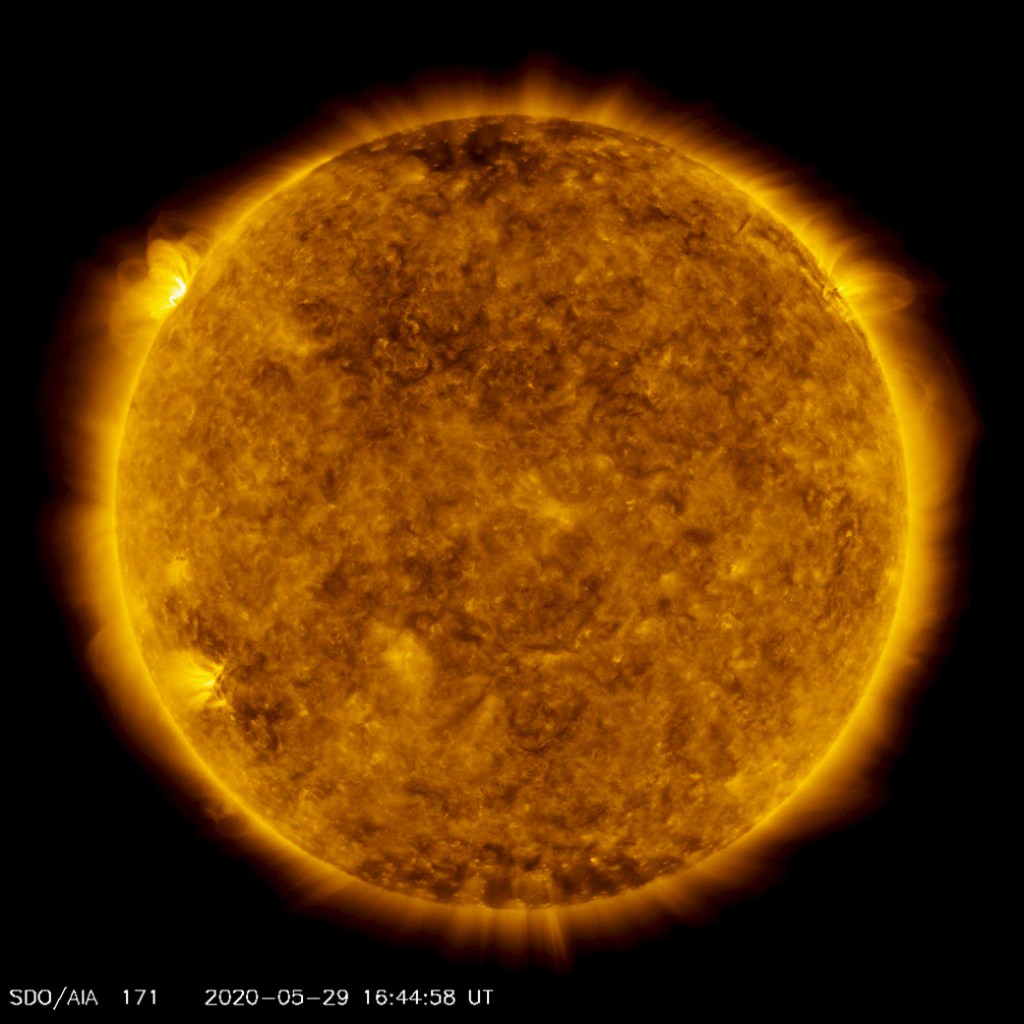
What Keeps a Star Stable?
All life as we know it has to maintain homeostasis — that is, keep internal goings-on regulated. Body temperature is just one example. Mammals can maintain a stable body temperature with no trouble. Reptiles have to bask in the sun…
-

Observations of Star Birth
Astronomers have a pretty solid idea of how stars are born. They begin within the dense, cold dust of an interstellar cloud such as this one. They heat up and get more luminous as they contract, and then drop in…
-
The Story of a Newborn Star
What happens when a star is born? A couple of posts ago, I explained how a protostar forms out of a dense cloud core within the interstellar medium. But…wait. What exactly is a protostar again? A protostar forms when one…
-
What is Contagious Star Formation?
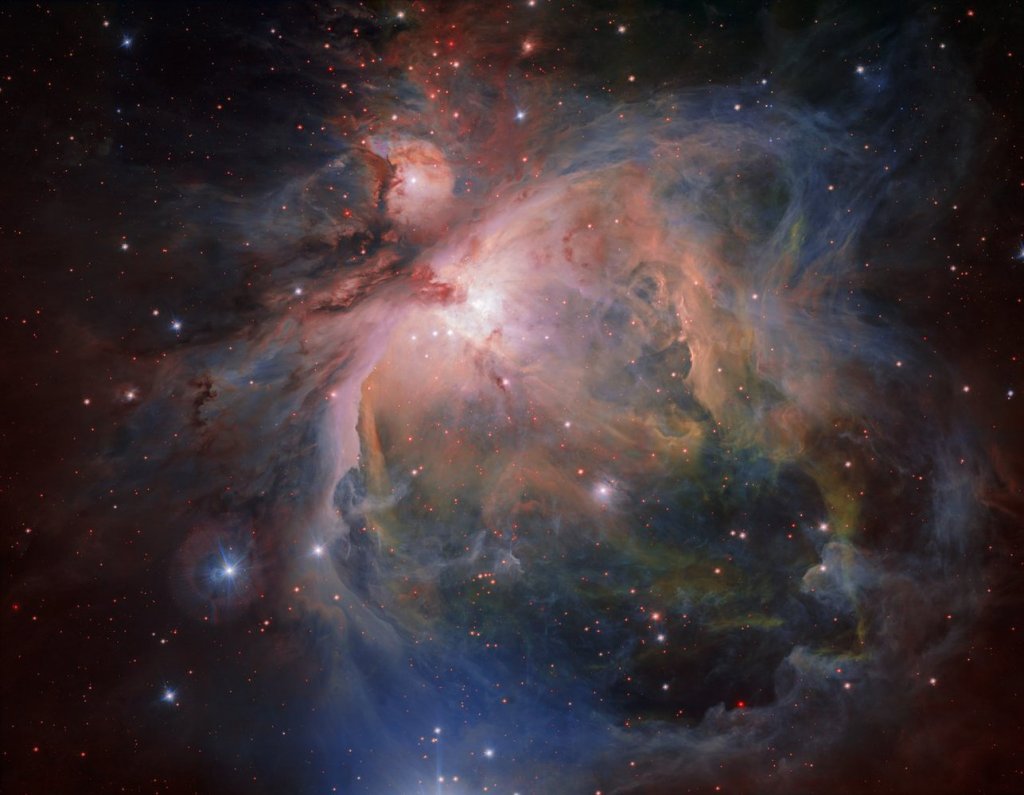
Recognize this nebula? Yeah…we’re talking about the Orion Nebula again. I know, we already took a tour through the Orion constellation in my last post…but there’s still more to cover about how stars come to life, and Orion is still the…
-
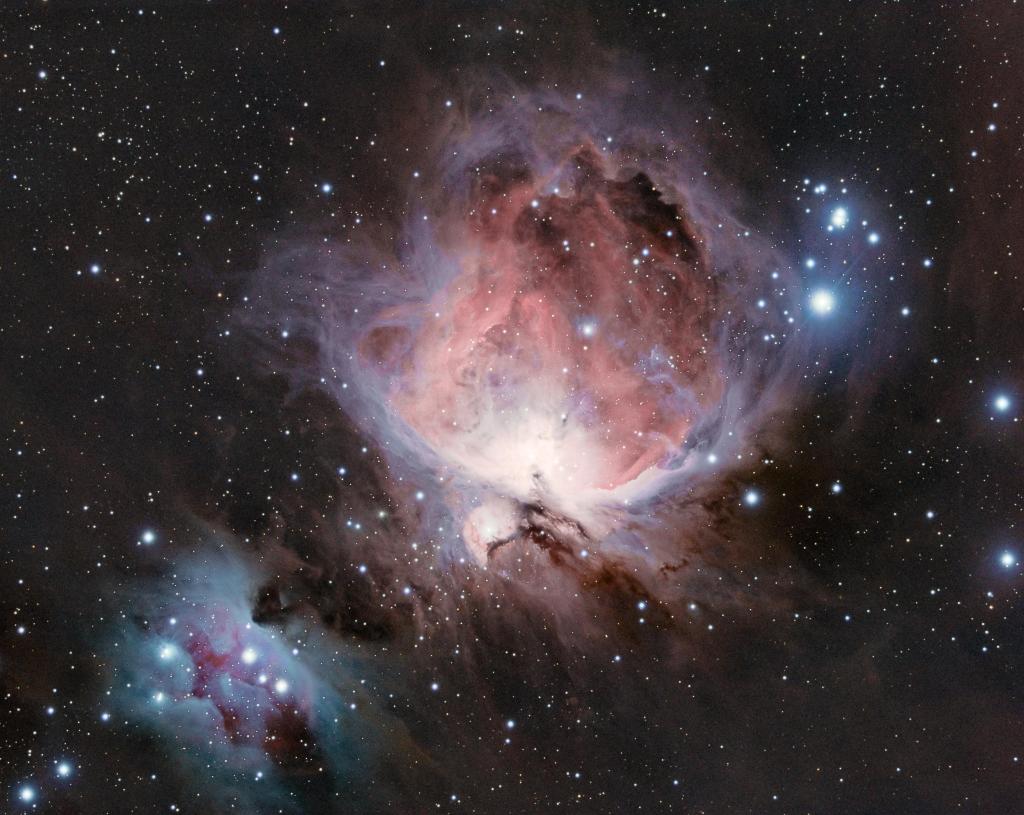
The Orion Nebula: A Stellar Nursery
One of my favorite objects to show people at astronomy outreach events is the Orion Nebula. Not only does it reside within a fairly well-known constellation, but it’s a gorgeous sight to see with a good telescope. There’s no time like…
-

From Cold Cloud to Hot Protostar
Paradoxically, stars begin in the galaxy’s coolest places: the dense giant molecular clouds (or GMCs). This is not quite the paradox it seems, as in the beginning, stars require little else but gravity to form. And that’s really quite lucky, because…
-
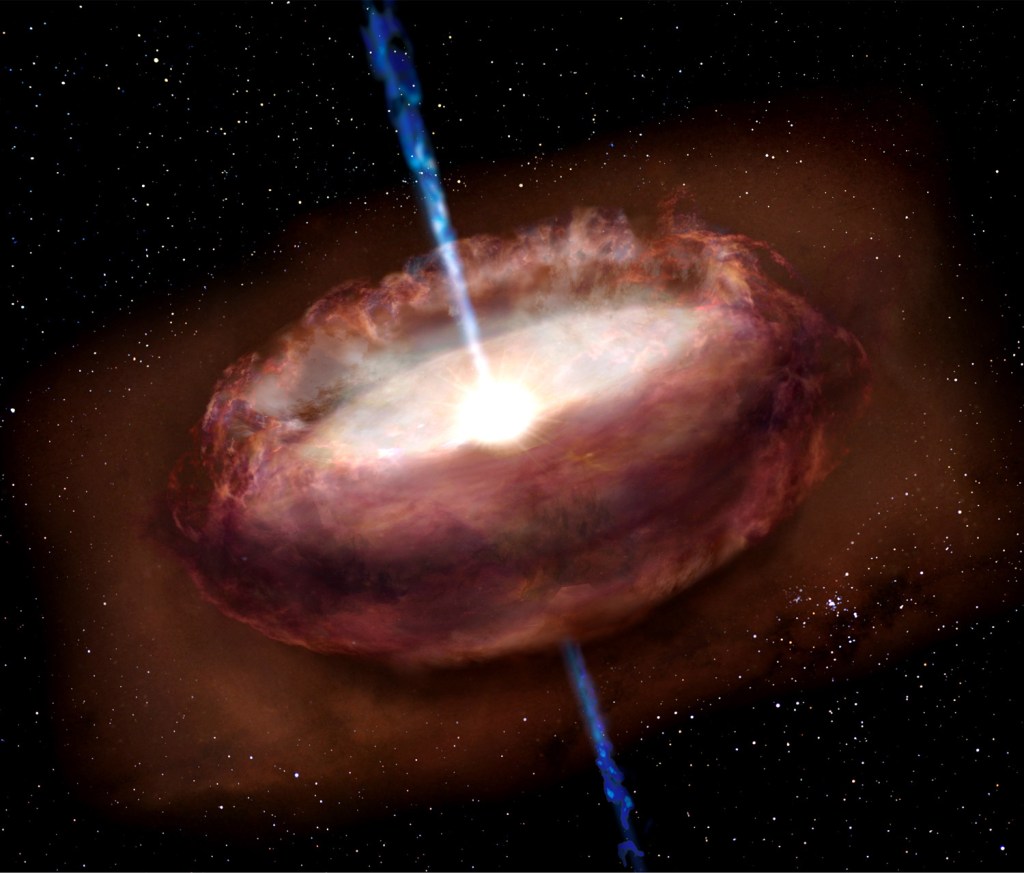
How are Stars Born?
Astronomers have discovered that the clouds of gas and dust — the interstellar medium (ISM) — found between the stars are made of the same materials as the stars themselves. In fact, hydrogen is the most common element in both…
