star formation
-

When Galaxies Collide
Meet the Whirlpool Galaxy, a spiral galaxy in the constellation Canes Venatici. This was actually the first galaxy to be classified as a spiral. Specifically, the Whirlpool Galaxy is what we call a grand-design spiral: a galaxy with a very…
-

The Different Shapes of Galaxies
By now, we’ve spent a heck of a lot of time exploring spiral galaxies. It makes sense — they’re certainly the most photogenic. Seriously. Do me a favor and do a quick Google search for galaxies. When I did, nearly…
-

What Are Spiral Arms?
Probably the most spectacular feature of our Milky Way galaxy is its spiral arms. We can’t get a probe far enough out yet to take a galactic selfie, but astronomers are reasonably sure that we live in a spiral galaxy.…
-

Exploring the Milky Way’s Spiral Arms
The Milky Way — our home galaxy — is a spiral galaxy, a classification I often describe as pinwheel-shaped. The main difference between a spiral galaxy’s shape and a pinwheel’s shape is that spiral galaxies, like the Milky Way, only…
-

Stellar Evolution Demystified
Whaddya know…after what seems like a geological age, we’re finally done with stellar evolution! And we’ve covered a truly ridiculous amount of information. We’ve covered a star’s relatively gentle, humble beginnings within the collapsing cores of giant molecular clouds (or…
-

Stars: The Limits of “Normal”
How big — or small — can a star get? As with most questions in astronomy, the answer to that is not definitive. But stellar models can give us a pretty good idea. Mathematical models of stars tell us that…
-
What is Contagious Star Formation?
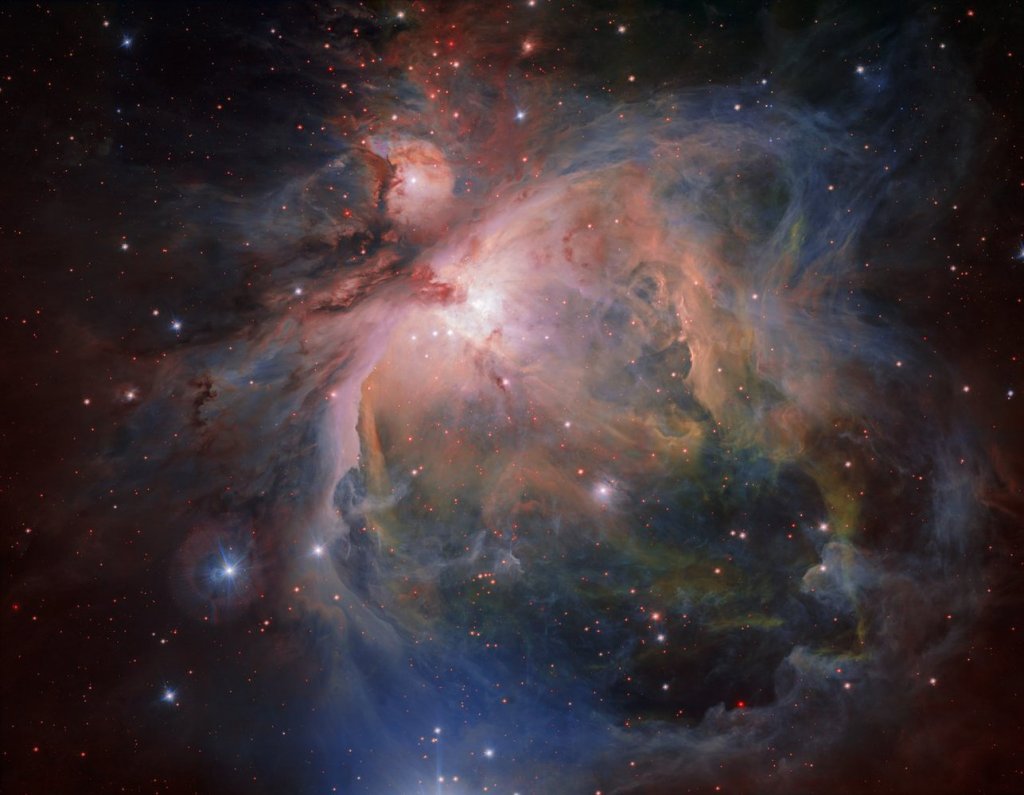
Recognize this nebula? Yeah…we’re talking about the Orion Nebula again. I know, we already took a tour through the Orion constellation in my last post…but there’s still more to cover about how stars come to life, and Orion is still the…
-
How are Stars Born?
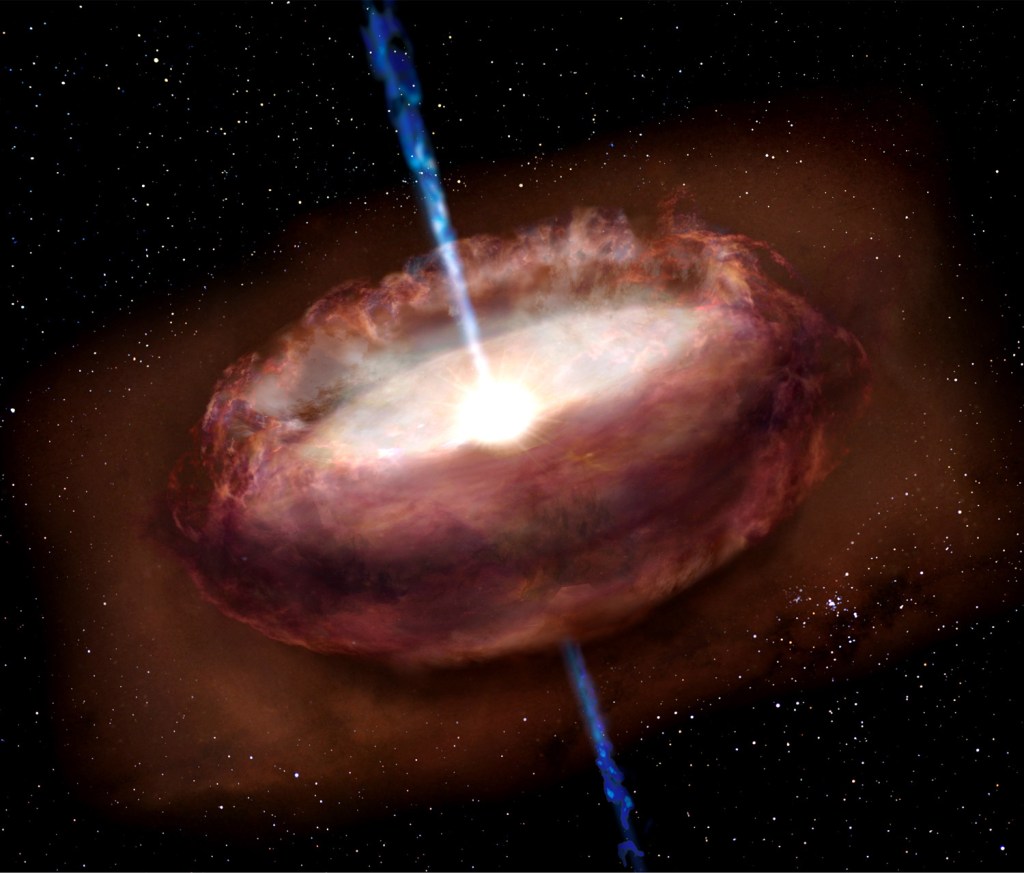
Astronomers have discovered that the clouds of gas and dust — the interstellar medium (ISM) — found between the stars are made of the same materials as the stars themselves. In fact, hydrogen is the most common element in both…
-

Where Did the Interstellar Medium Come From?
Contrary to popular belief, space is not empty. The space between the stars is filled with clouds of dust and gas. And this space — the interstellar medium — is incredibly beautiful and fascinating. I often refer to the interstellar…
