stars
-

The Starlight We Can’t See
Find yourself a dark, unpolluted night sky on a clear night free of clouds, and you are very likely to look up into the heavens and see a sight quite like this. It’s what we see of the Milky Way,…
-
The True Brightness of Stars
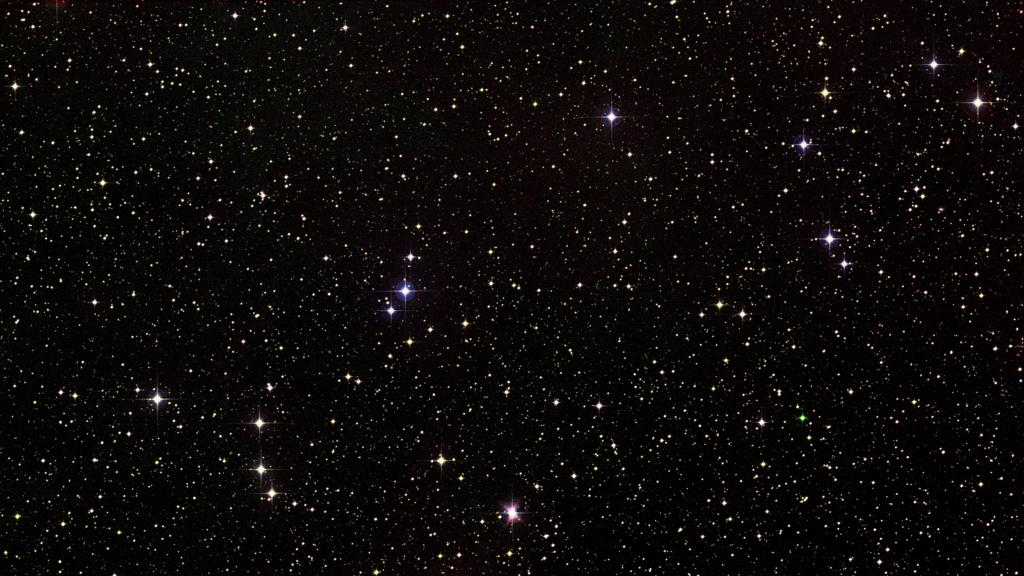
Have you ever looked up at the night sky and noticed that while relatively bright stars outline the constellations, there are numerous other stars that are almost too faint to see with the naked eye? If you ever noticed this,…
-

Stars and Proper Motion
Recognize this constellation? Well, at the time stamp of about 2000 AD (CE), I think you will. It’s one of the most famous constellations in the night sky. Well, technically, it’s not a constellation at all. It’s an asterism — a…
-

Distances Between Stars
When you look up into the sky on a clear night away from the glare of the city, you see trillions upon trillions of stars. Thousands of years ago, the classical astronomers saw the same thing you do today — except…
-

The Proton-Proton Chain
Take a wild guess: how much energy do you think the sun generates? Think about it. It definitely generates enough energy to power a world. Humans depend on the photosynthesis of plants, which converts sunlight into energy. And that’s not…
-
The Battery of the Sun
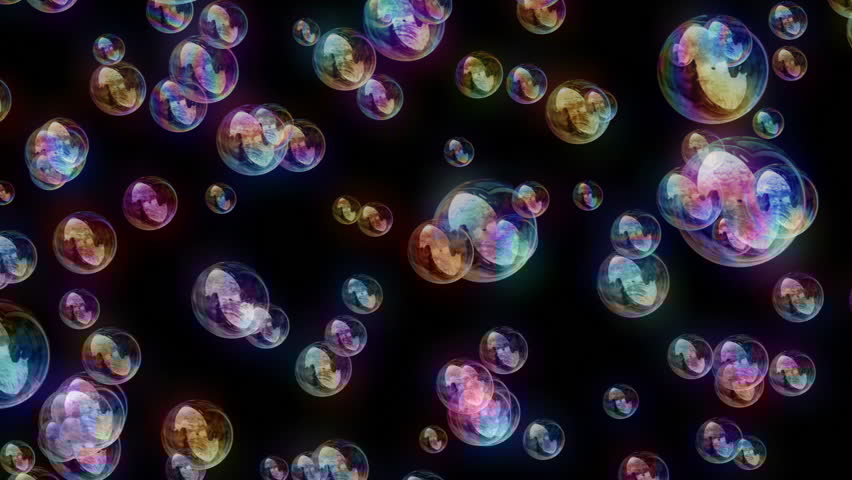
Does this image look familiar? It should — these are soap bubbles. Okay, now you’re probably going to ask me how soap bubbles have anything to do with the battery of the sun. Well…you might be surprised to know that…
-
Star Stuff & Cecilia Payne
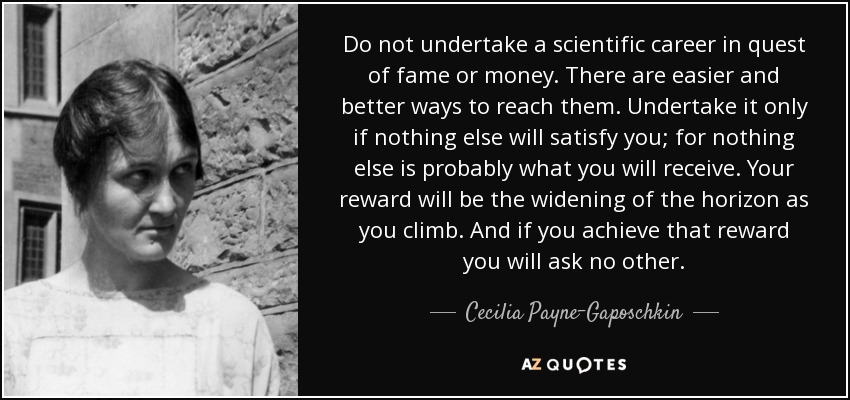
If this quote really is from Cecilia Payne, then she had the right idea — at least for a female astronomer in the 1920s. Women in science back then faced an uphill battle to get recognized for any discoveries they…
-

Types of Stars
Meet the sun: a G2 class star towards the middle of its lifespan. Wait a second…G2? What does that even mean? It’s all part of a way astronomers break down the billions of stars in the sky and organize them…
-
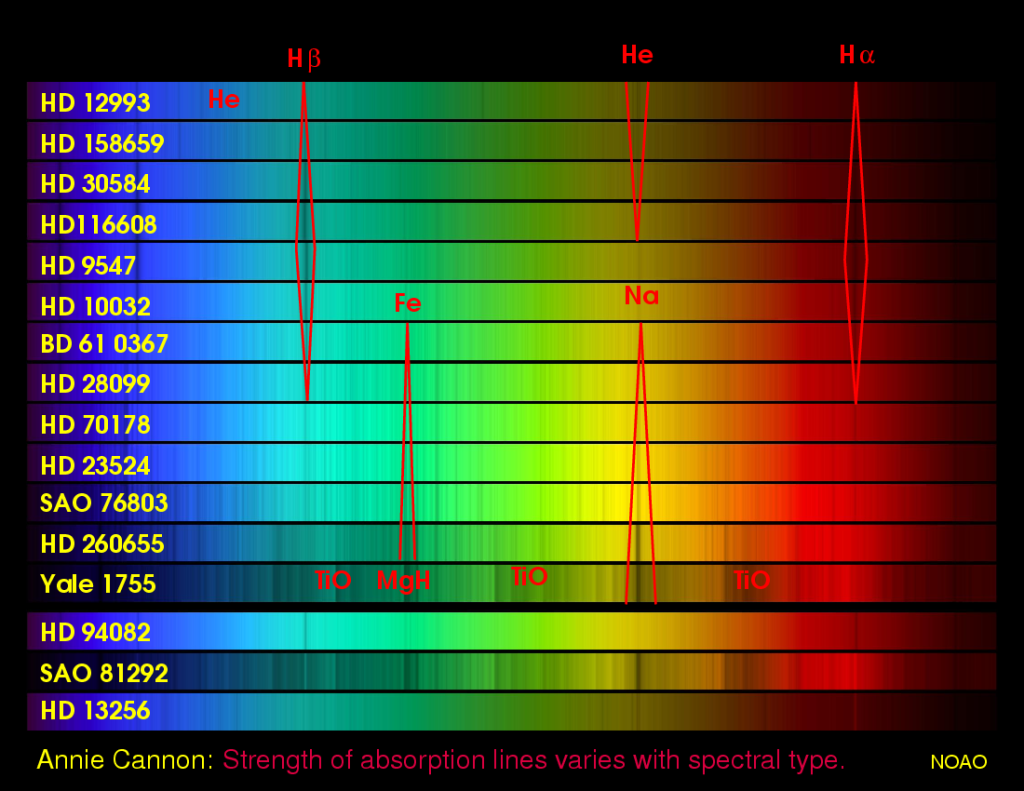
The Atomic Spectrum
Astronomers know that if white light passes through a prism and is bent, it’s separated out into its component colors — the colors of the rainbow. Astronomers also know that when light interacts with atoms, the building blocks of the…
-

Stars and Radiation
Stars are hot. Really hot. Hot enough to have energy to spare for their planets. If our star wasn’t hot, we couldn’t live on Earth. And our star isn’t even particularly hot for a star. It’s a middle-aged star of…
