technology
-
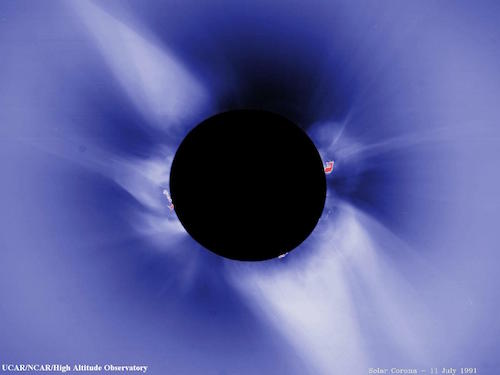
Our Sun: The Corona
When we observe our sun’s corona, we discover something odd. It’s really, really hot. But…wait a second. How is that odd? Shouldn’t the sun be hot? Well…yes. It should, and it is. Its surface temperature is almost ten thousand degrees…
-
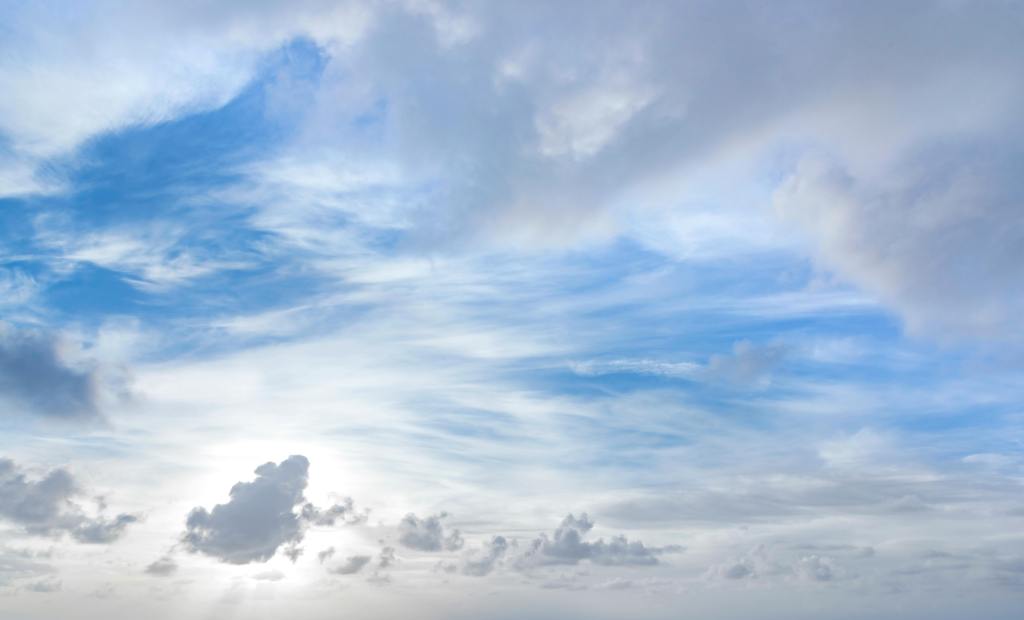
Infrared & High-Energy Astronomy
You probably recognize this image. You see something like it whenever you look up at the sky. Some days are clearer than others — some, you might even see a completely blue sky — but regardless, you know that this…
-
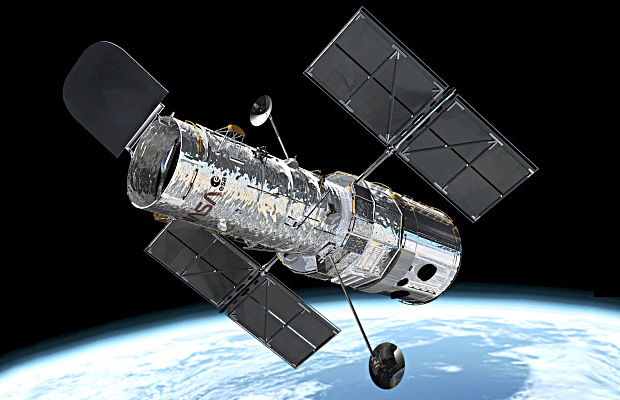
The Hubble Space Telescope
The Hubble Space Telescope is one of the most famous telescopes in the world. Oops, excuse me — one of the most famous telescopes built. Hubble, after all, is certainly not in this world. Unless you call the universe the “world,”…
-

Radio Astronomy: Advantages
Whoa…what’s this thing? It’s a radio telescope, the largest in the world. It’s so huge that a normal support system can’t support its weight. So it’s basically suspended between three mountaintops. It’s 300 m across, which is 1000 feet. It’s…
-

Radio Astronomy: Limitations
Astronomy is a labor of love, and radio astronomy is no different. As I covered in my last post, radio astronomy deals with the longest wavelengths of the electromagnetic spectrum (a spectrum that includes visible light). Radio waves are not sound…
-

Radio Astronomy
Ever seen one of these before? Yeah, it’s a bit bigger than your average radio antenna. That’s because its job isn’t to direct radio signals to your house. It’s a radio telescope, and its job is to collect as many radio…
-

Info in a Rainbow
What do you see in this image? If you’re from a larger city and haven’t had the opportunity to venture into a place like the desert, you might not know what you’re looking at. That’s the Milky Way, our name…
-
Telescope Imaging Systems
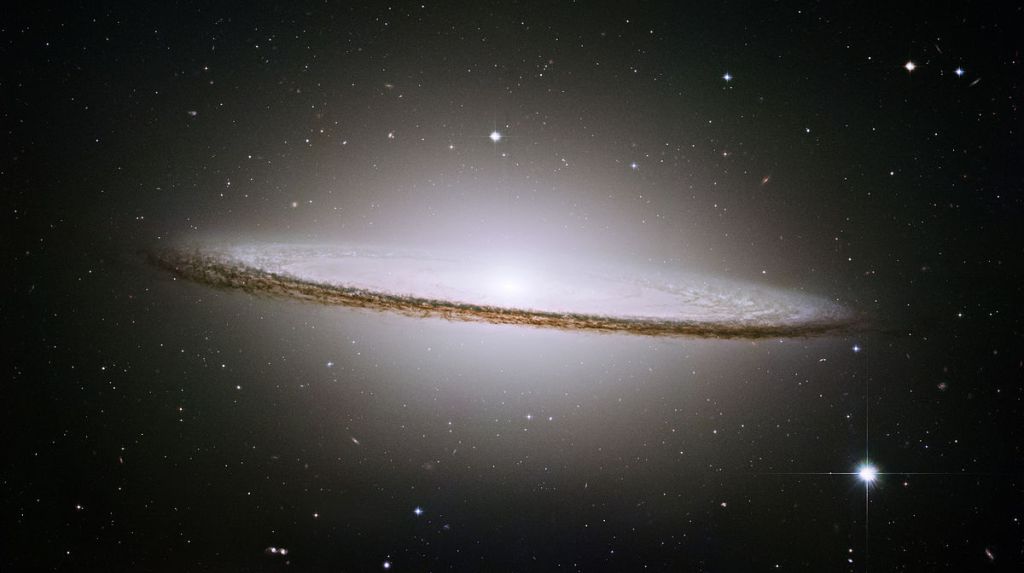
Have you ever seen an image like this? Okay, maybe you have…online. What with the spread of the internet these days, I’m guessing that at one point you have seen something like this on a page of image search results.…
-

Interferometry
Imagine you have an image like one of these. This object is faint and faraway, so you can’t make out much more detail. You know that other stars like it — closer, brighter stars — have looked like this and…
-

Improved Telescope Mirrors
When it comes to telescopes, bigger is always better. Bigger means more light-gathering power and better resolution. And a longer telescope — meaning, a longer focal length — can actually do wonders for your magnification power. Light-gathering power, by the way,…
