Emma
-

What About Binary Systems?
In the constellation of Perseus, there is a star named Algol that exists in a binary system. The binary consists of two stars: a massive main-sequence star and a less massive giant. According to what we’ve explored so far…that doesn’t…
-

What are White Dwarfs?
Now that we’re finally talking about white dwarfs, we’re getting into the really cool stuff. In my last post, we explored planetary nebulae, and we left off with a question: where does the fast wind that forms planetary nebulae come…
-
What are Planetary Nebulae?
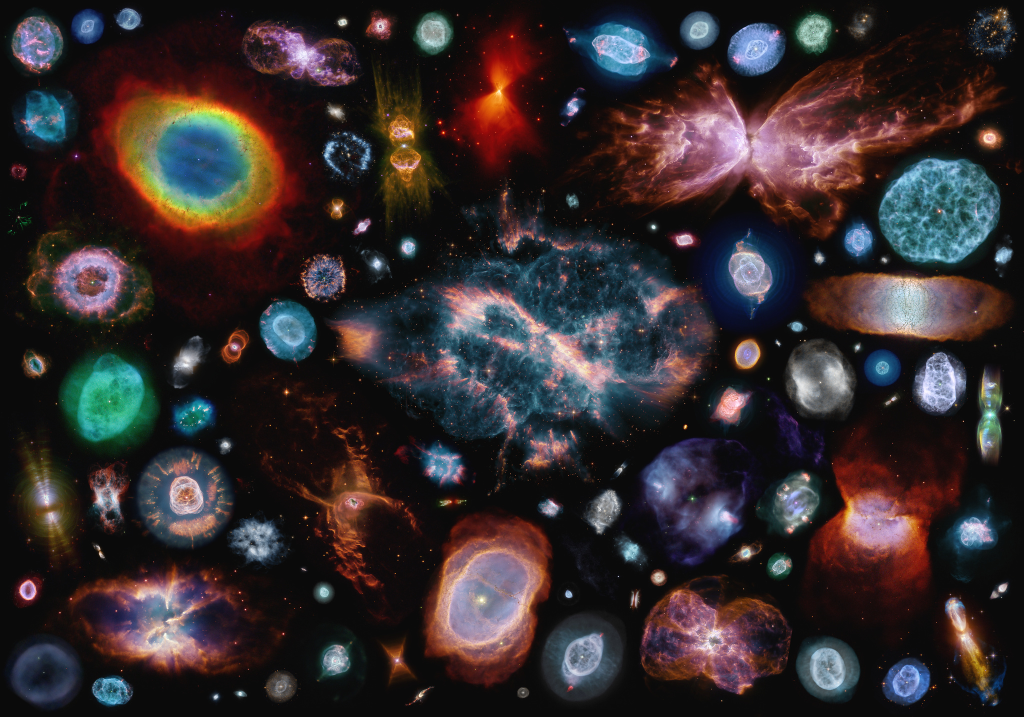
Meet the planetary nebula, one of the universe’s most gorgeous phenomena. If you’ve ever looked through a telescope, you may have seen one of these before. Through a small telescope, one might look like a little planet — hence the…
-

How Low-Mass Stars Die
When we talk about star death, we’re not really talking about death. We’re talking about the end of a functioning star. Astronomers tend to personify cosmic objects like stars, saying that they are born and die, when it’s more like…
-

What are Variable Stars?
What if I told you that the “two” stars you see here are actually one and the same? This star, known as L Carinae after its location in the southern constellation Carina, is actually what we call a variable star.…
-
Story of a Star Cluster
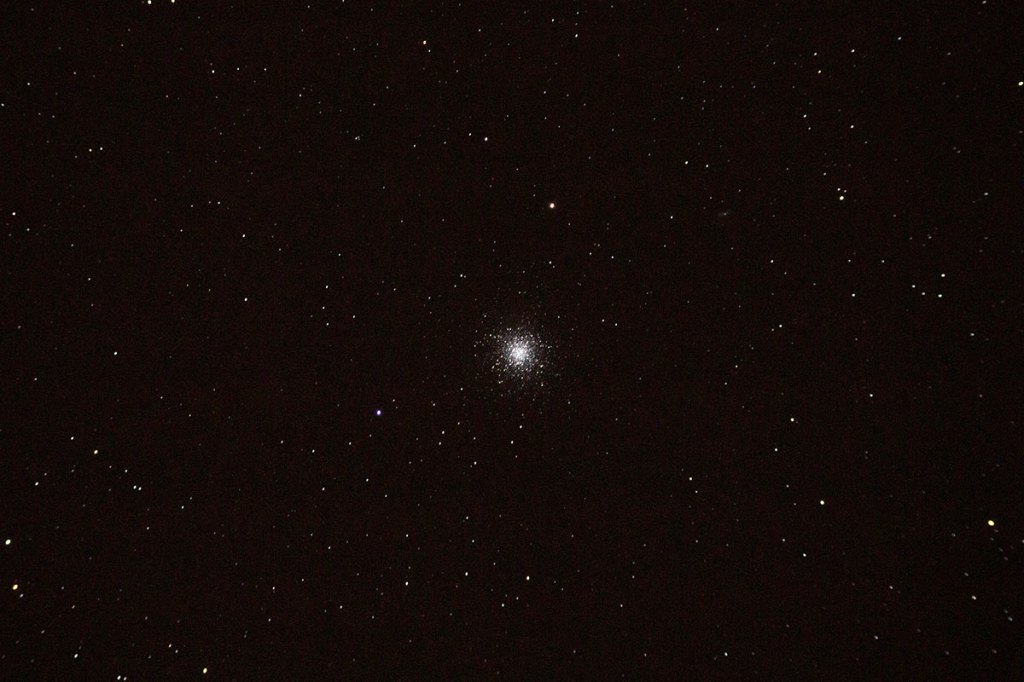
Meet M13, one of my favorite globular star clusters. M13, also known as Messier 13 or the Hercules Cluster, is found — surprise surprise — in the constellation Hercules in the northern hemisphere. The really cool thing about star clusters…
-

What Happens After Helium Fusion?
Back in August — sorry I took so long! — we talked about the helium flash, an explosion that occurs within stars when helium nuclei begin to fuse within a degenerate core. So…this is not what the helium flash would…
-

How Were Atoms Discovered?
Welcome to my fourth “Science Answers” post! If you have a question, you can ask it in the comments here, or ask it in an email. Or find me on Facebook! Q: (1) How did scientists find elements in the first place?…
-

Helium Ignition in Stars
When I first began learning about stars, I expected them to be violent and chaotic places. And to an extent, they certainly are. Pressures are unbelievably high in their cores — high enough to smash protons together, and this is…
-
What Happens in an Expanding Star’s Core?
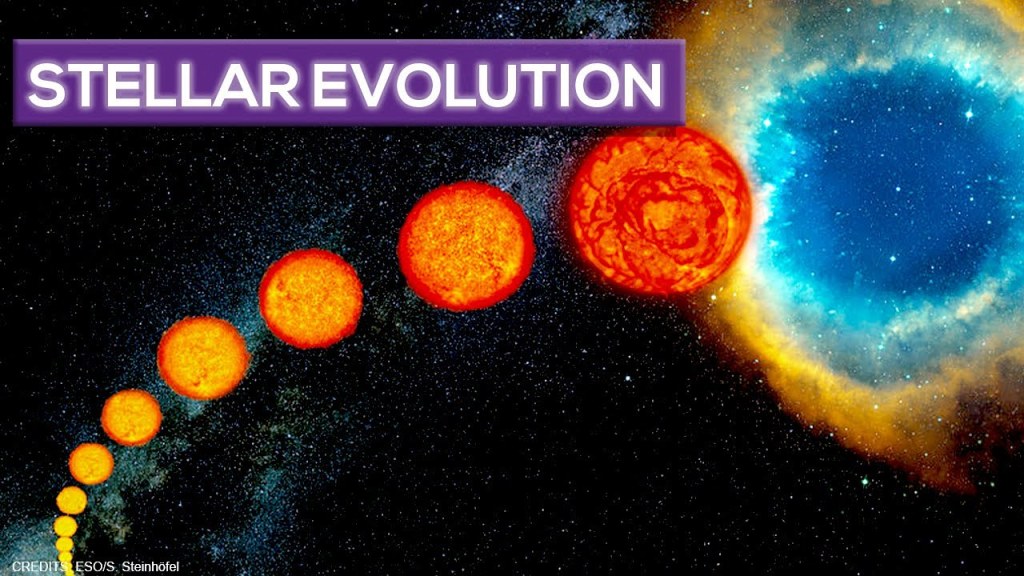
Depending on their mass, stars can remain stable for millions and even billions of years. The most massive stars live for “only” about 10 million years, but models predict that the least massive live for much longer — longer than…
