
energy levels
-

What are White Dwarfs?
Now that we’re finally talking about white dwarfs, we’re getting into the really cool stuff. In my last post, we explored planetary nebulae, and we left off with a question: where does the fast wind that forms planetary nebulae come…
-

How Were Atoms Discovered?
Welcome to my fourth “Science Answers” post! If you have a question, you can ask it in the comments here, or ask it in an email. Or find me on Facebook! Q: (1) How did scientists find elements in the first place?…
-
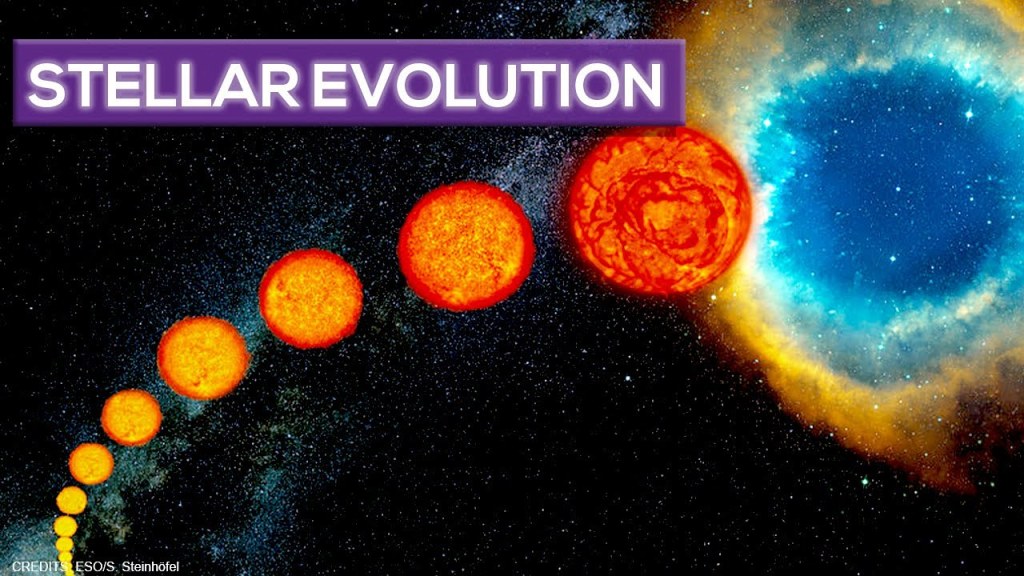
What Happens in an Expanding Star’s Core?
Depending on their mass, stars can remain stable for millions and even billions of years. The most massive stars live for “only” about 10 million years, but models predict that the least massive live for much longer — longer than…
-

The Balmer Thermometer
How hot would you say this star is? Take a wild guess. Well…sorry, but I’m going to stop you for a moment just to make sure we’re all using Kelvins. The Kelvin scale is like the Celsius scale, except water…
-

Stars and Radiation
Stars are hot. Really hot. Hot enough to have energy to spare for their planets. If our star wasn’t hot, we couldn’t live on Earth. And our star isn’t even particularly hot for a star. It’s a middle-aged star of…
-

Atoms and Radiation
Everything we know about space comes from radiation. Now wait just a moment here. That statement explains how astronomy is such a successful field of science — it’s based entirely on the information we can glean from radiation, after all.…
