
fundamentals: the night sky
-

Milankovitch and Climate
The Yugoslavian meteorologist Milutin Milankovitch is known for coming up with the idea of orbital forcing, also known as Milankovitch cycles. Orbital forcing is a fancy term for certain changes in Earth’s orbit, which are precession, obliquity, and eccentricity. I’ve written…
-

Orbit and Climate
You have probably all heard of ice ages. And no, I don’t mean the Ice Age movies… Although, Ice Age is actually a pretty good example of what happens during a real-life ice age. I haven’t seen enough of the movies to…
-

The Reason for the Seasons
As a born Californian, I never saw seasons this dramatically until I went to college in Flagstaff, Arizona. I remember, in my first year here, when I was taking a walk around campus with a few friends. We passed over…
-

Stars: Naming and Brightness
Meet Pegasus, and the constellations surrounding it. As I said in my last post, constellations are just regions of space. Yes, they are named after mythical beasts and ancient queens, but for scientific purposes, all that matters are the regions…
-
The Ecliptic
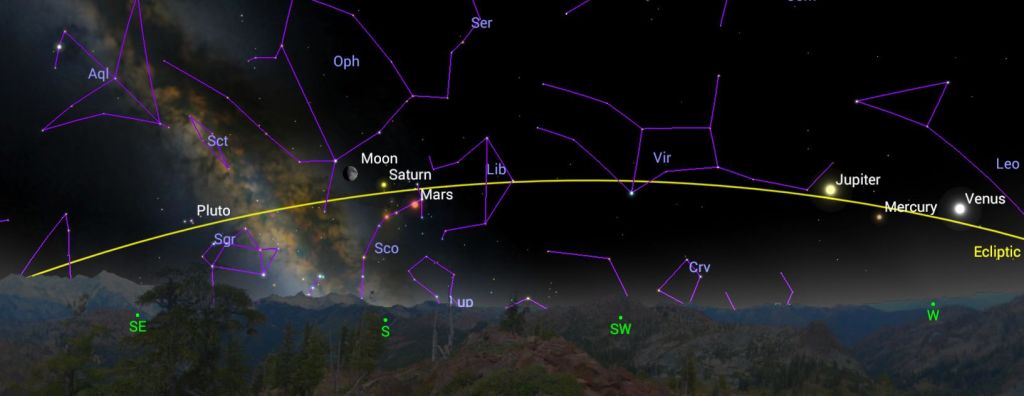
The ecliptic, as astronomers call it, is the apparent path of the sun against the background of the stars in the sky. It’s useful because it tells us how to find the planets in the sky. They can be hard to…
-
What is Precession?
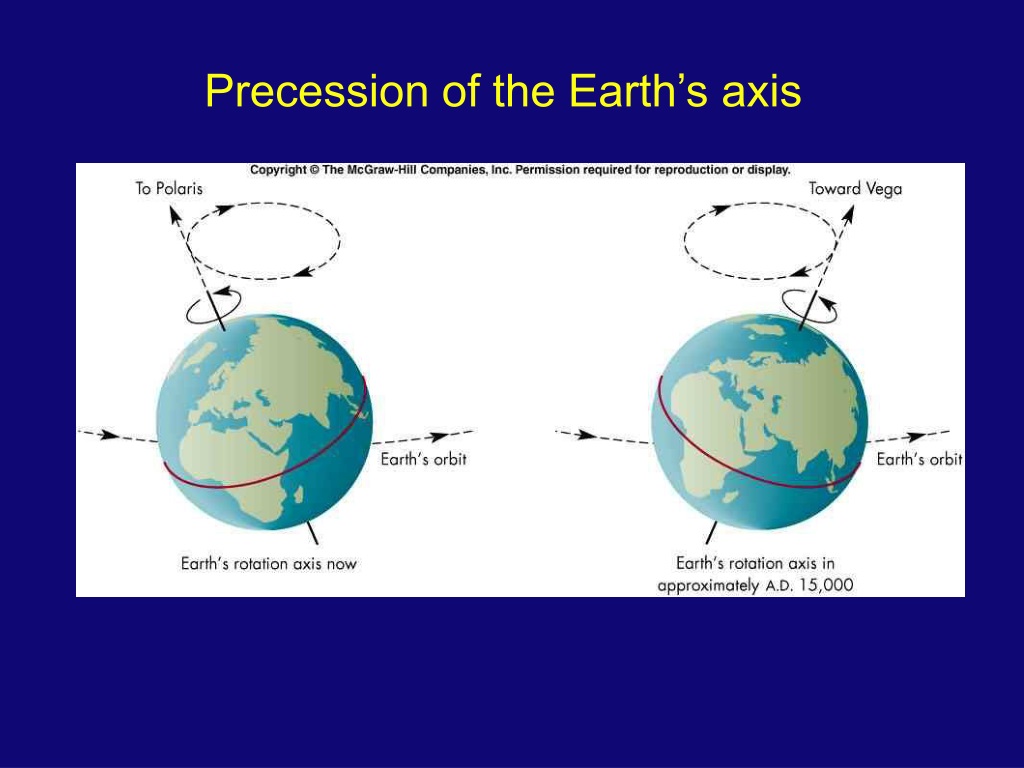
We have a bit of a shorter post today — I thought precession warranted its own post, before I go on to talking about the ecliptic. Precession refers to the way Earth wobbles around on its axis, a bit like a…
-

The Celestial Sphere
When you look up at the night sky on a clear, dark night, it seems as if the stars are glittering like bright thumbtacks on a great canvas above you. (You can get a similar effect — with less light…
-

Mapping the Sky
I need you guys to help me with something. Can you find a horse in this image of the night sky? Yeah, me neither. I’m lost. I see the Great Square of Pegasus because I know what to look for,…
