Interaction of Light & Matter
-

How Were Atoms Discovered?
Welcome to my fourth “Science Answers” post! If you have a question, you can ask it in the comments here, or ask it in an email. Or find me on Facebook! Q: (1) How did scientists find elements in the first place?…
-

What Makes a Star Blue?
Albireo is the distinctive double star in the head of the constellation Cygnus. You can find it yourself if you look for the Summer Triangle amid the dusty trail of the Milky Way across the night sky. The brighter, orange…
-
The Doppler Effect
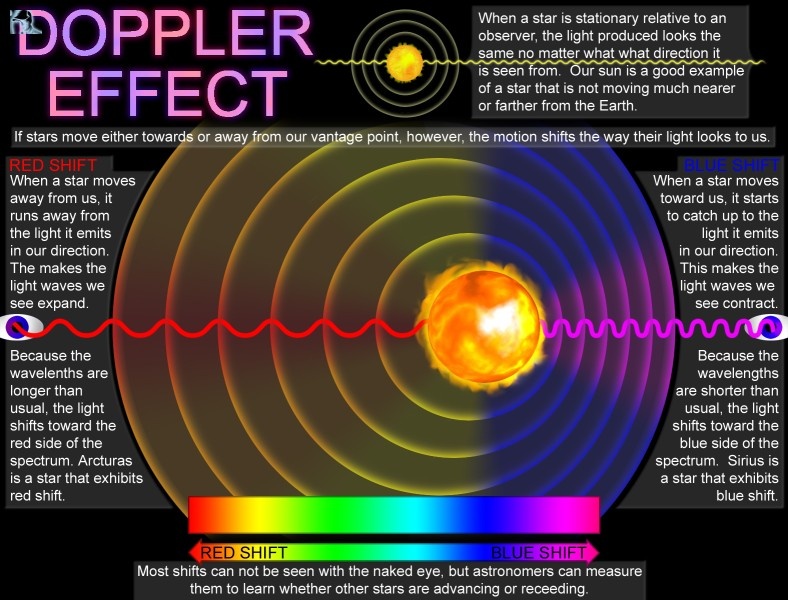
Have you ever heard the ice cream truck? When I was little, I remember hearing the ice cream truck all the time. Just the sound of the opening notes of “Pop Goes the Weasel” were enough to propel me to…
-
Star Stuff & Cecilia Payne
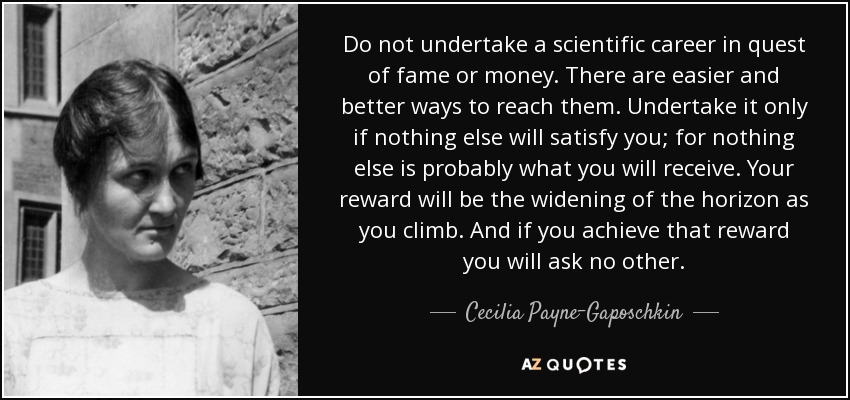
If this quote really is from Cecilia Payne, then she had the right idea — at least for a female astronomer in the 1920s. Women in science back then faced an uphill battle to get recognized for any discoveries they…
-

Types of Stars
Meet the sun: a G2 class star towards the middle of its lifespan. Wait a second…G2? What does that even mean? It’s all part of a way astronomers break down the billions of stars in the sky and organize them…
-

The Balmer Thermometer
How hot would you say this star is? Take a wild guess. Well…sorry, but I’m going to stop you for a moment just to make sure we’re all using Kelvins. The Kelvin scale is like the Celsius scale, except water…
-
The Atomic Spectrum
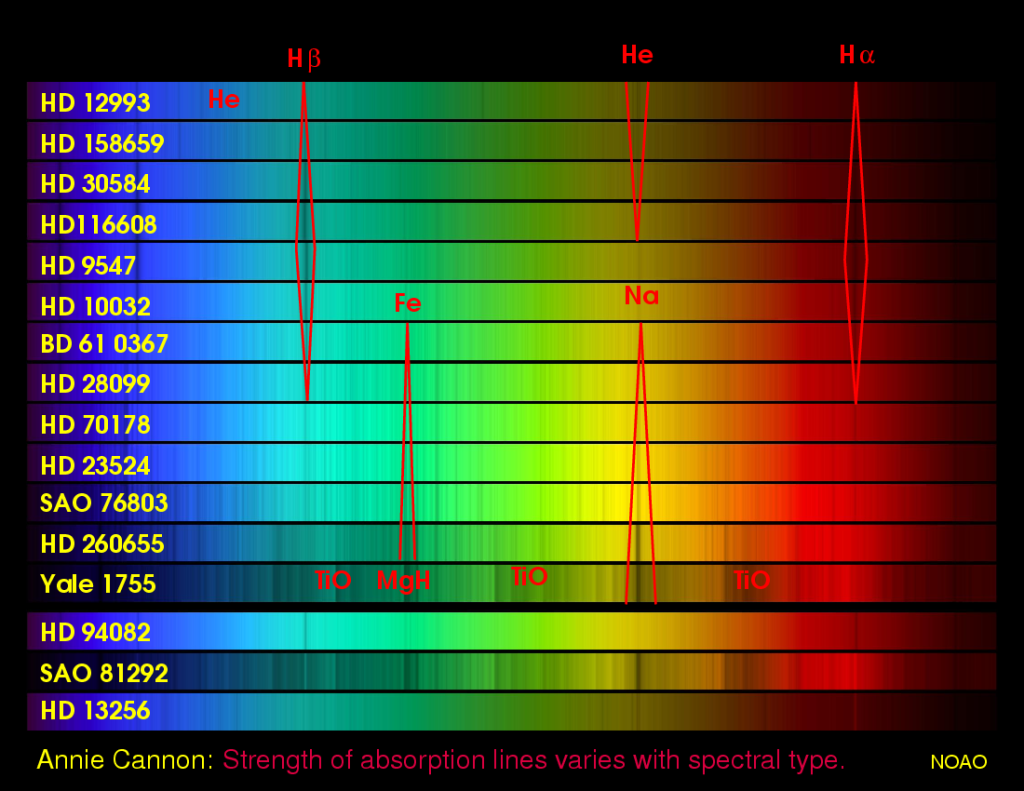
Astronomers know that if white light passes through a prism and is bent, it’s separated out into its component colors — the colors of the rainbow. Astronomers also know that when light interacts with atoms, the building blocks of the…
-

Stars and Radiation
Stars are hot. Really hot. Hot enough to have energy to spare for their planets. If our star wasn’t hot, we couldn’t live on Earth. And our star isn’t even particularly hot for a star. It’s a middle-aged star of…
-

Atoms and Radiation
Everything we know about space comes from radiation. Now wait just a moment here. That statement explains how astronomy is such a successful field of science — it’s based entirely on the information we can glean from radiation, after all.…
-

How Atoms Work
Have you ever seen something like this? I’m going to venture a wild guess and say you haven’t, since scientists have only recently been able to take this kind of image. I learned about it in my biology class this…
