science
-
Newton and Gravity
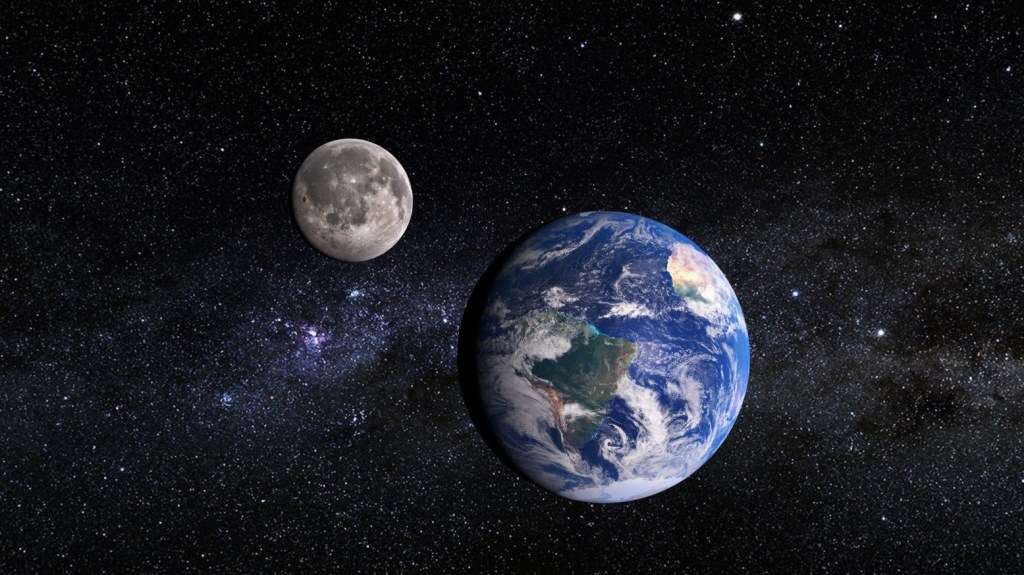
So, the moon stays in orbit around the Earth, right? Yeah, I thought so. But why? The moon’s orbit is not a straight line, which means it’s accelerated motion (using the physics definition, which is absolutely any change in speed or…
-
Newton’s Laws of Motion
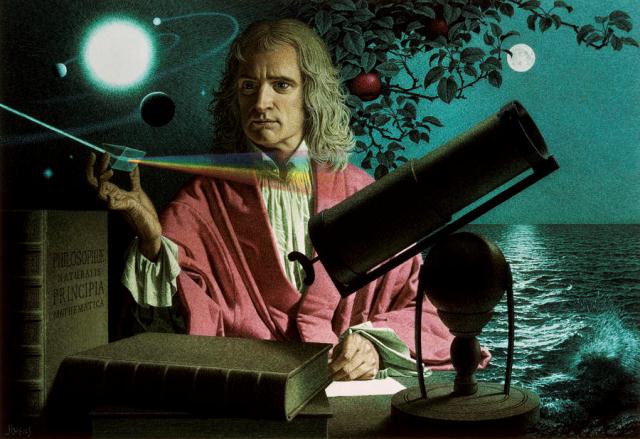
It’s said that Sir Isaac Newton was sitting under an apple tree when an apple fell on his head, and that’s when all his discoveries began. Personally, I doubt that story — just as I doubt that Galileo Galilei ever dropped…
-

Galileo and Motion
Before Galileo’s time, Aristotle was the god of gravity. Seriously. Before Galileo came along, the question of how gravity worked was answered with another question: “What would Aristotle say?” Obviously, this method was faulty, since Aristotle was actually wrong about…
-
Galileo and the Telescope
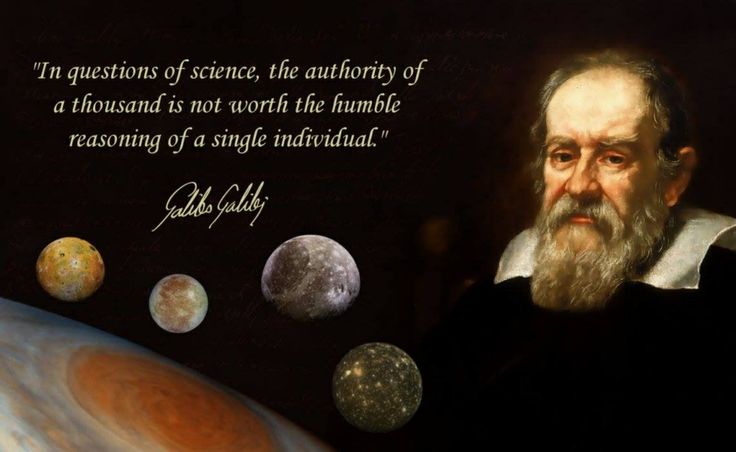
When you hear the name “Galileo Galilei,” what immediately comes to mind? If you thought, “inventor of the telescope,” you’re not alone. I also wouldn’t be surprised if you thought “condemned by the Inquisition for believing the Earth orbited the…
-

Johannes Kepler and Planetary Motion
Thales and Pythagoras suggested that the natural world could be understood. Aristotle dared to imagine what was beyond the Earth. Plato encouraged thought about the universe, even if he did take astronomy one step forward and two steps backward. Copernicus…
-

Tycho Brahe, the Observer
It is surprisingly difficult to find a flattering image of Tycho Brahe. Honestly. Do me a favor and do a Google image search for the guy. It’ll come up with all sorts of disfigured images, mostly because his nose got…
-
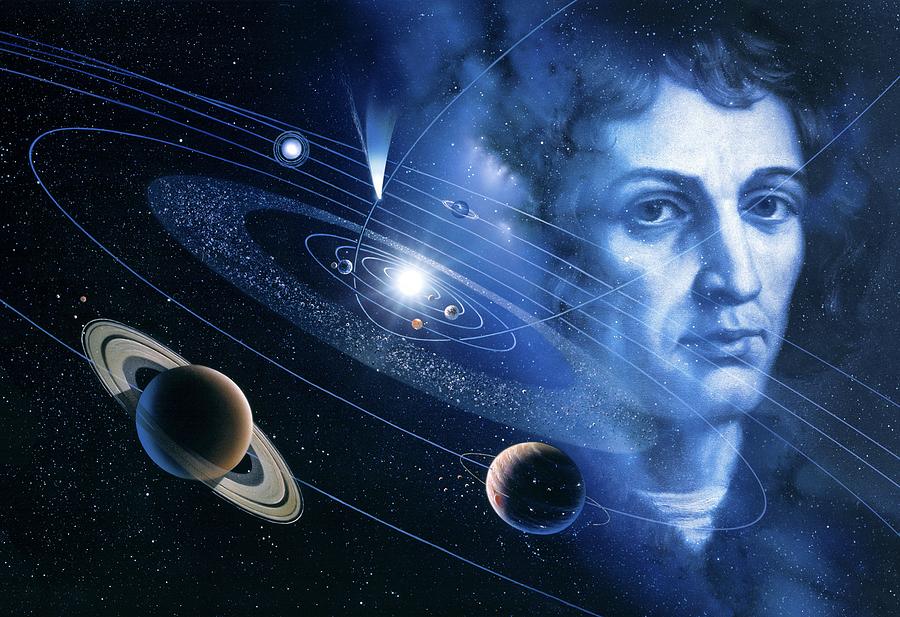
The Copernican Revolution
Nicolaus Copernicus lived from 1473-1543, a time when rebellion against the Church was at its height. And unfortunately for the astronomy of the time, it had gotten inextricably tied up with Christian teachings. In that time, heaven and hell weren’t…
-

The Ptolemaic Universe
Claudius Ptolemy lived about five centuries after the Greek philosopher Aristotle’s time. Aristotle’s model for the universe — the first geocentric model, with Earth at the center — was still widely accepted, and Ptolemy sought to improve it. Ptolemy was one…
-

Archaeoastronomy
Imagine that you’re living sometime around 2000 BCE, give or take a thousand years or so. That’s about 4000 years before our time. You look up at the sky at night, and see it filled with numerous points of light.…
-

The Saros Cycle
Would it surprise you to hear the solar eclipses repeat? Now, I know we can’t go back in time to see past eclipses, and once the date of an eclipse — say, March 7, 1970 — has passed, that date…
