spectral lines
-
What the Heck is a Quasar?
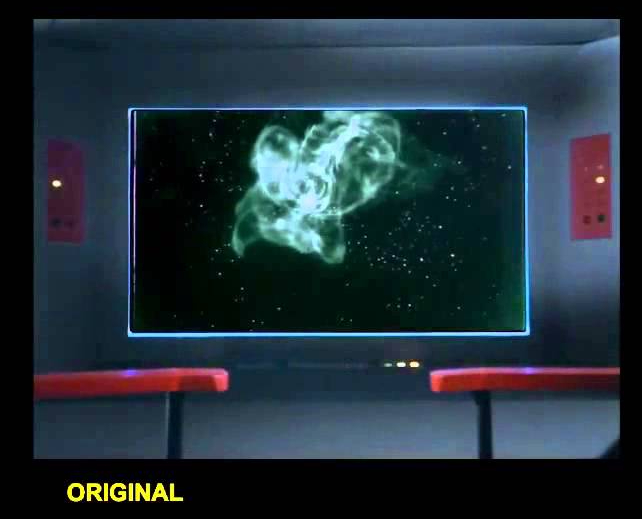
I’ll give you a hint: this is not an image of a quasar. This image is from a first-season Star Trek: The Original Series episode, “The Galileo Seven” — the original footage, before it was remastered (and before astronomers had…
-

What are Seyfert Galaxies?
Meet NGC 1566, an intermediate spiral galaxy in the constellation Fornax. To the human eye, this galaxy looks almost like any other spiral: It has a central nucleus and spiral arms, and it’s full of gas and dust. As an…
-
What is the Hubble Law?
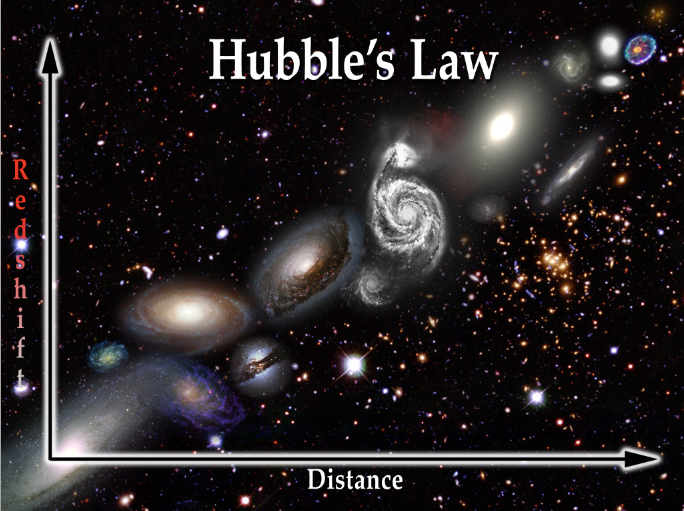
Last week, I teased you with the idea that it’s actually easy to estimate distances to galaxies. I do mean estimate — and distance indicators are still important. The Hubble Law is named for Edwin Hubble, the astronomer who was…
-
What are Planetary Nebulae?
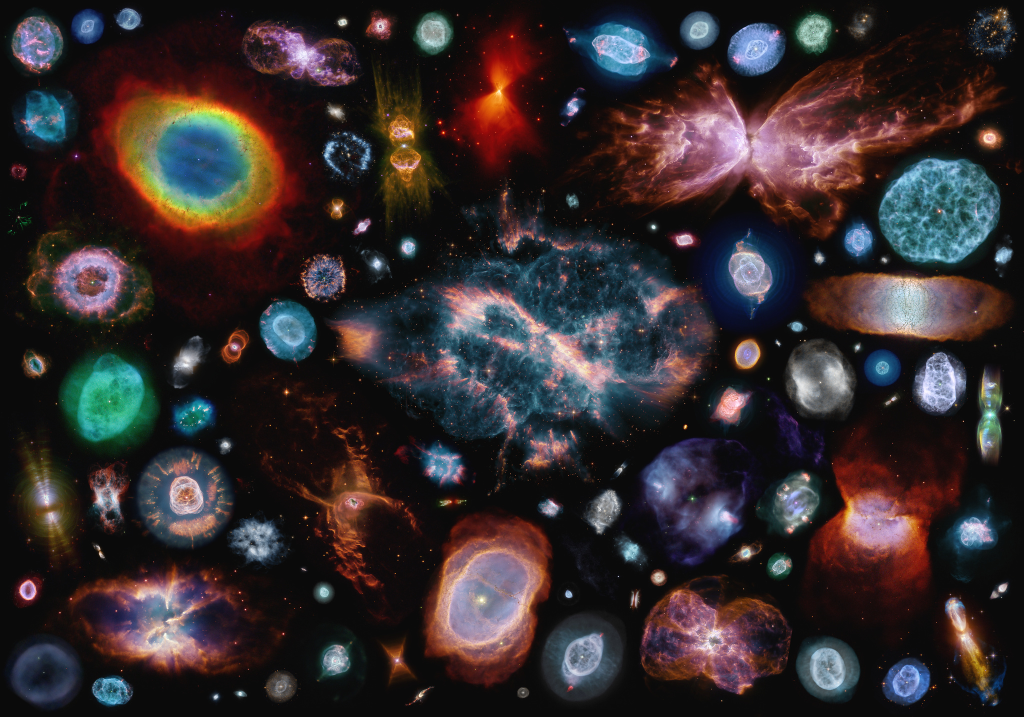
Meet the planetary nebula, one of the universe’s most gorgeous phenomena. If you’ve ever looked through a telescope, you may have seen one of these before. Through a small telescope, one might look like a little planet — hence the…
-
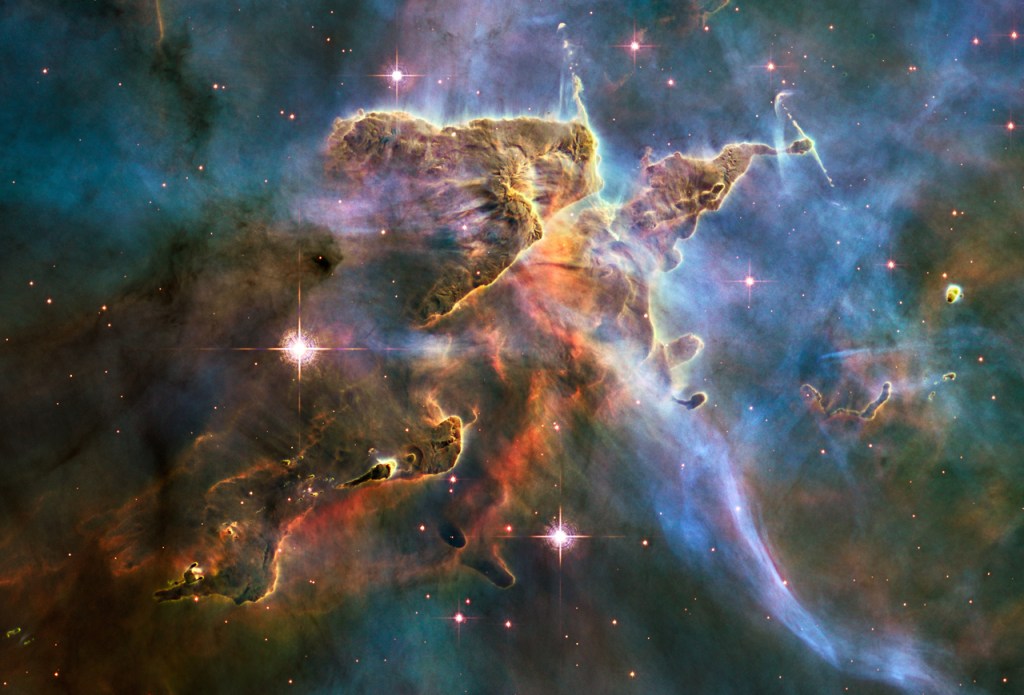
Interstellar Spectra
I often refer to what we call the interstellar medium as the galaxy’s “backstage,” and I do that for a reason: for the most part, we can’t see it. The backstage of any theater isn’t part of the show. You, as…
-

Extinction and Reddening of Starlight
Take a wild guess: What do you think this image is showing you? If you said it looks like a giant black hole in space, I don’t blame you. I also don’t blame you if you thought it looks like…
-
What is a Nebula Made of?
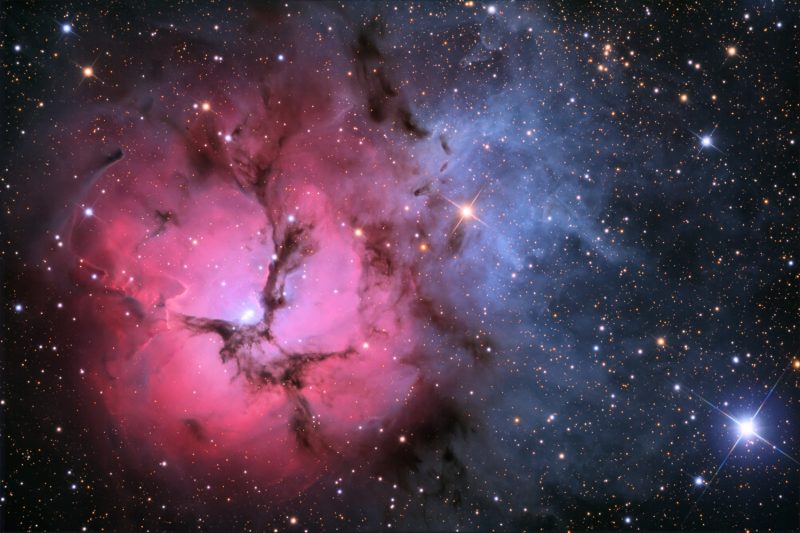
What you see here is the Trifid Nebula, a vast cloud of gas and dust in space. In my last post, we explored why it looks the way it does. We discovered that the pink hues of emission nebulae are caused…
-
Spectroscopic Binary Stars
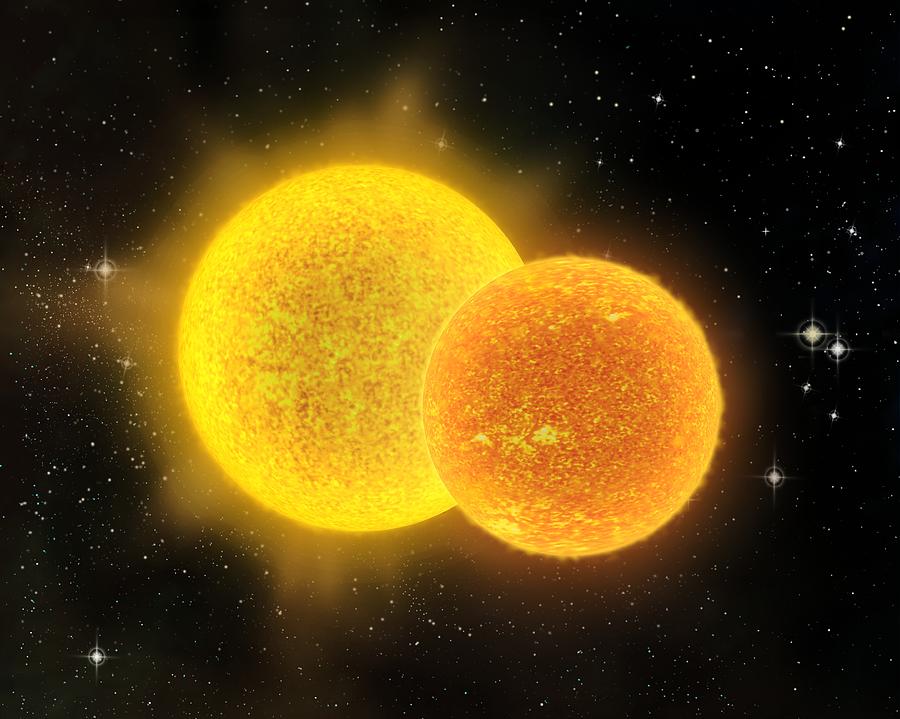
Consider a solar system far different from our own. A solar system governed by two suns, and consisting of planets we can only dream of. Would it surprise you to hear that, based on recent discoveries, that might actually be…
-

What Makes a Star Blue?
Albireo is the distinctive double star in the head of the constellation Cygnus. You can find it yourself if you look for the Summer Triangle amid the dusty trail of the Milky Way across the night sky. The brighter, orange…
-
How Far Are the Stars?
Stars don’t look small because they’re really the size of pinholes in a blanket. The smallest are the size of Earth. The largest have 128,865,170 times Earth’s diameter. They look small in the sky because they’re distant. It’s for the same…
