starlight
-
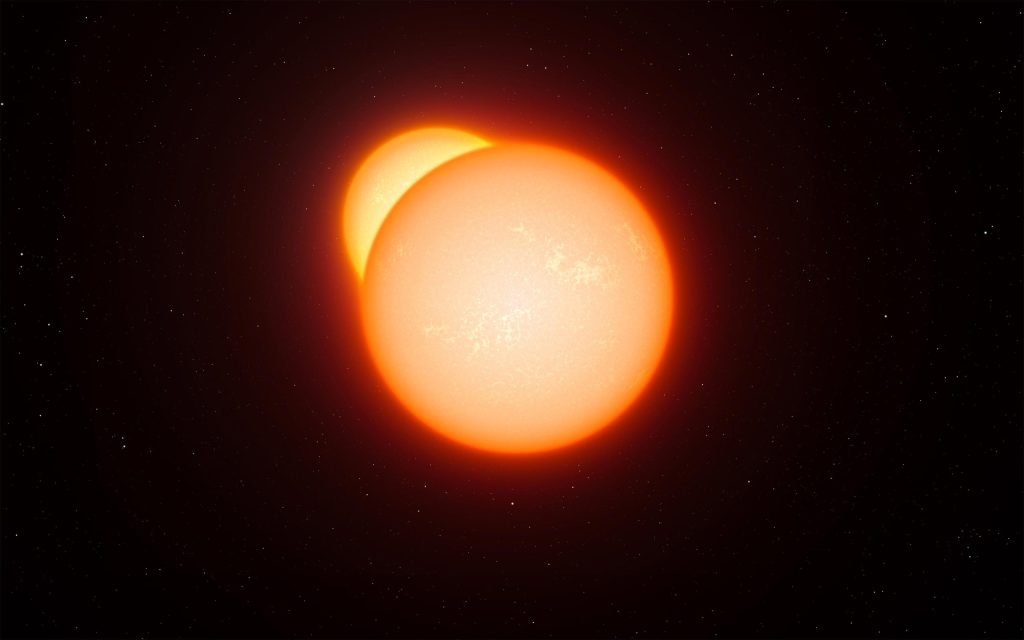
Eclipsing Binary Stars
Imagine a frisbee. At the center of this frisbee lies the sun — our sun, for simplicity’s sake. And sprinkled around the surface of its disk are all nine…excuse me, eight…planets of the solar system, plus the dwarf planets, asteroids, moons,…
-
How Far Are the Stars?
Stars don’t look small because they’re really the size of pinholes in a blanket. The smallest are the size of Earth. The largest have 128,865,170 times Earth’s diameter. They look small in the sky because they’re distant. It’s for the same…
-

The H-R Diagram
There are 250 billion stars in our galaxy alone. Many are much like the sun, labeled with the Latin sol for “sun” in this diagram. But many more are not quite what we might expect stars to be like, after living…
-

The Starlight We Can’t See
Find yourself a dark, unpolluted night sky on a clear night free of clouds, and you are very likely to look up into the heavens and see a sight quite like this. It’s what we see of the Milky Way,…
-
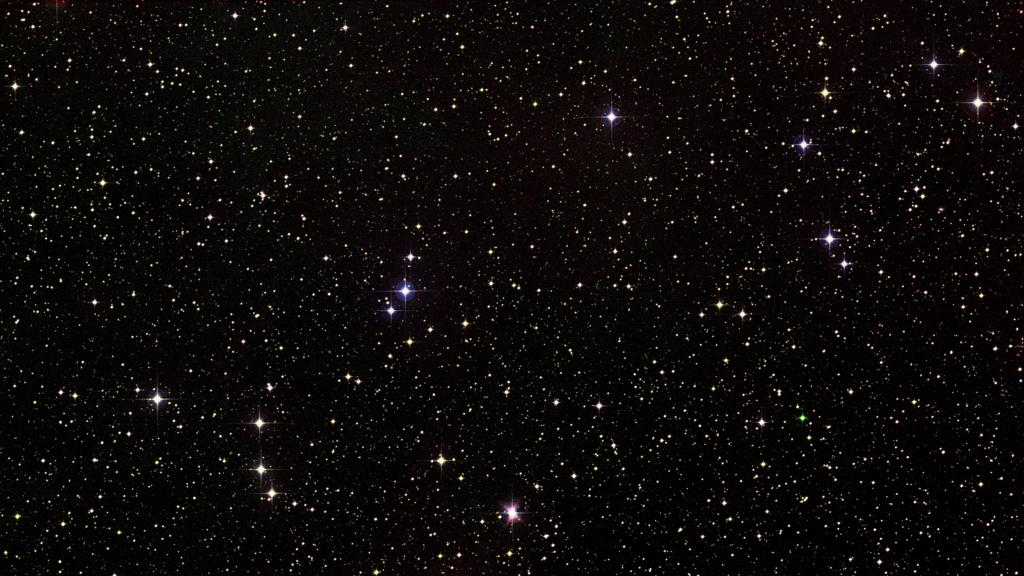
The True Brightness of Stars
Have you ever looked up at the night sky and noticed that while relatively bright stars outline the constellations, there are numerous other stars that are almost too faint to see with the naked eye? If you ever noticed this,…
-

Stars and Radiation
Stars are hot. Really hot. Hot enough to have energy to spare for their planets. If our star wasn’t hot, we couldn’t live on Earth. And our star isn’t even particularly hot for a star. It’s a middle-aged star of…
-

Info in a Rainbow
What do you see in this image? If you’re from a larger city and haven’t had the opportunity to venture into a place like the desert, you might not know what you’re looking at. That’s the Milky Way, our name…
-
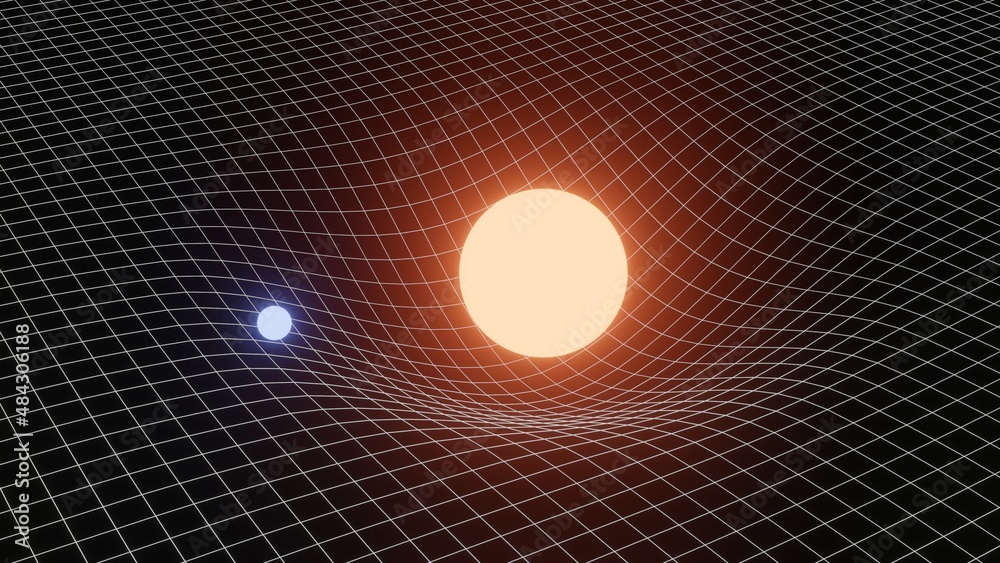
Einstein: Space-Time Curvature
When you hear about “space-time,” it’s just a way to say that space is related to time. And the curvature of space-time, as Albert Einstein predicted, is the way space and time alike literally bend around a mass such as the…
-

Stars: Naming and Brightness
Meet Pegasus, and the constellations surrounding it. As I said in my last post, constellations are just regions of space. Yes, they are named after mythical beasts and ancient queens, but for scientific purposes, all that matters are the regions…
