Astronomy
-

The Saros Cycle
Would it surprise you to hear the solar eclipses repeat? Now, I know we can’t go back in time to see past eclipses, and once the date of an eclipse — say, March 7, 1970 — has passed, that date…
-
The Eclipse Seasons
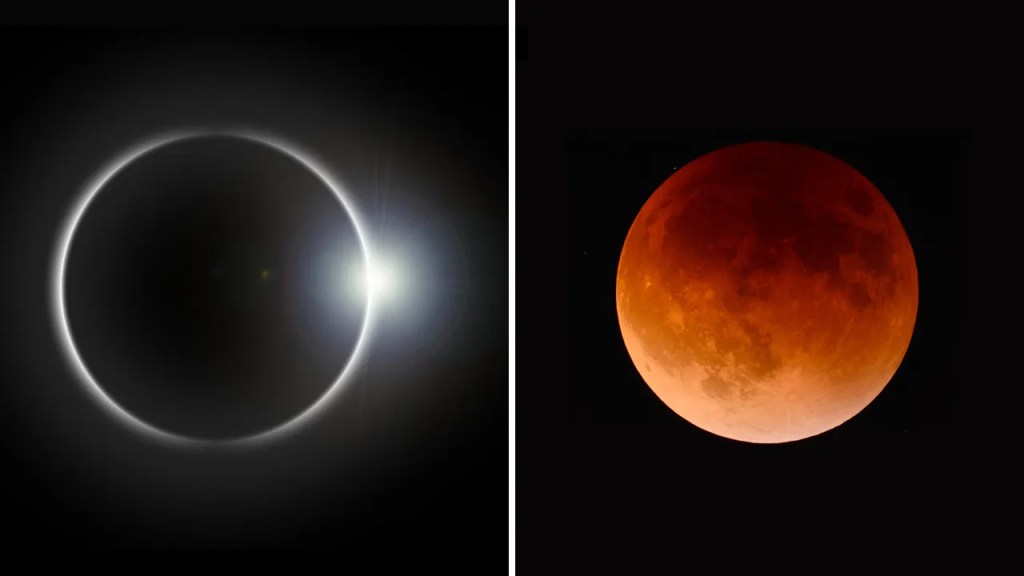
There can be no doubt that solar and lunar eclipses are some of the most fascinating sights for the “naked” eye. (And I say “naked” under the assumption that you know never to look directly at the sun without approved protection!)…
-

Lunar Phases and Motion
The lunar phases…who really understands ’em? We see them all the time. When we look up at the moon in the sky, we’re bound to notice that it looks just a little bit different from the last time we saw…
-

Milankovitch and Climate
The Yugoslavian meteorologist Milutin Milankovitch is known for coming up with the idea of orbital forcing, also known as Milankovitch cycles. Orbital forcing is a fancy term for certain changes in Earth’s orbit, which are precession, obliquity, and eccentricity. I’ve written…
-
Sunrise in Flagstaff
It’s 5:00 am and I’m up ungodly early to photograph the sunrise for a school assignment. So I figured I’d blog about it. Because, why not? 4:50: Okay, I’m up. Why do I have to be up so freaking early…
-

Orbit and Climate
You have probably all heard of ice ages. And no, I don’t mean the Ice Age movies… Although, Ice Age is actually a pretty good example of what happens during a real-life ice age. I haven’t seen enough of the movies to…
-

The Reason for the Seasons
As a born Californian, I never saw seasons this dramatically until I went to college in Flagstaff, Arizona. I remember, in my first year here, when I was taking a walk around campus with a few friends. We passed over…
-

Stars: Naming and Brightness
Meet Pegasus, and the constellations surrounding it. As I said in my last post, constellations are just regions of space. Yes, they are named after mythical beasts and ancient queens, but for scientific purposes, all that matters are the regions…
-
The Ecliptic
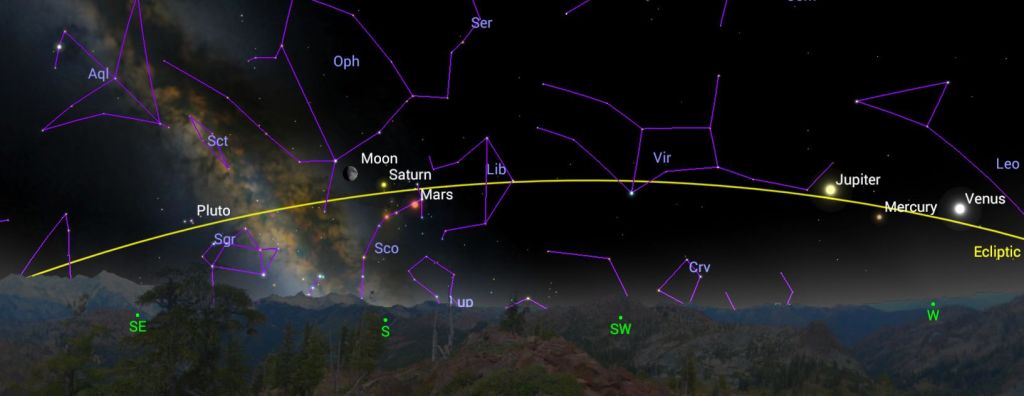
The ecliptic, as astronomers call it, is the apparent path of the sun against the background of the stars in the sky. It’s useful because it tells us how to find the planets in the sky. They can be hard to…
-
What is Precession?
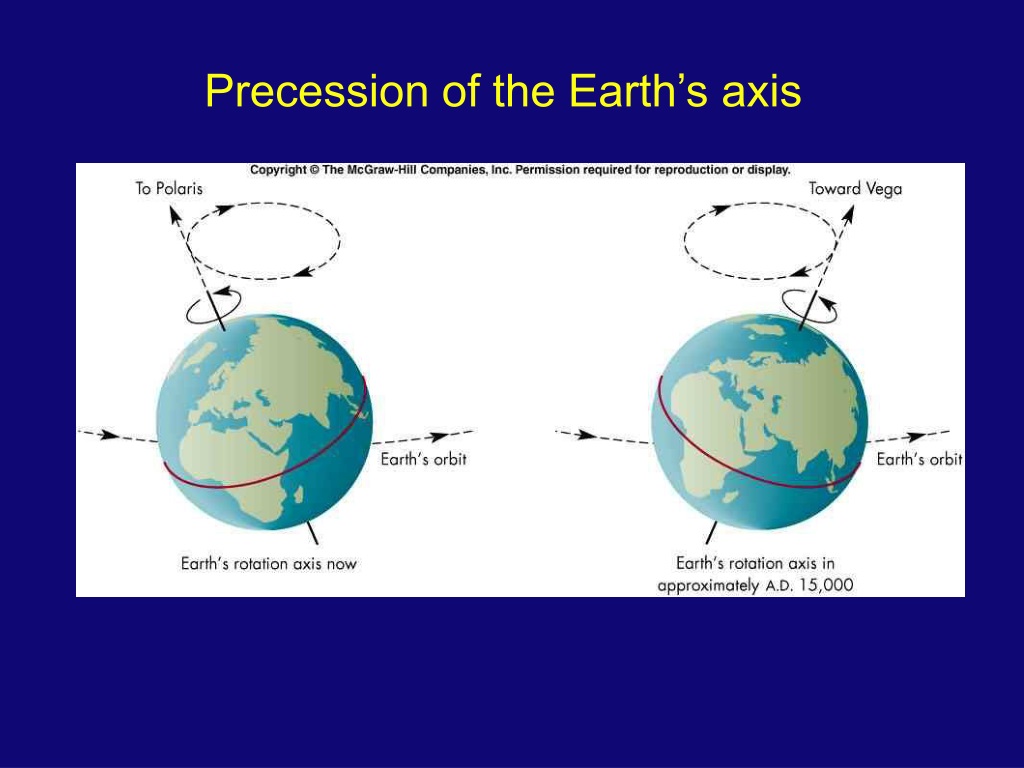
We have a bit of a shorter post today — I thought precession warranted its own post, before I go on to talking about the ecliptic. Precession refers to the way Earth wobbles around on its axis, a bit like a…
