advanced: the stars
-
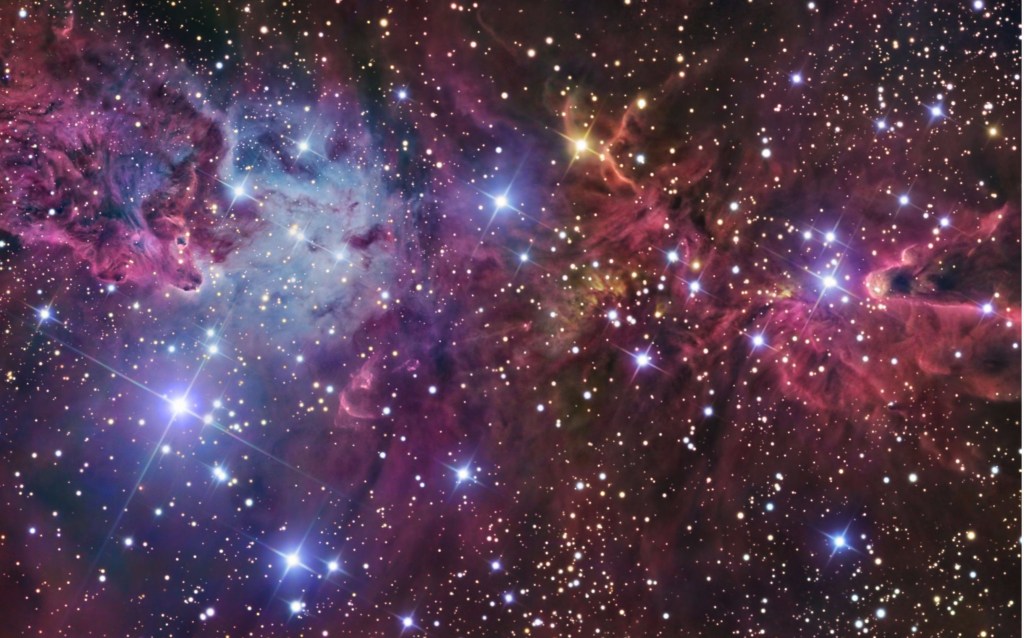
Star Mass and Density
What makes a star shine bright? Much earlier on — probably months ago now — I explained how something called the proton-proton chain generates massive amounts of energy within stars, and enables them to fuel whole solar systems. That’s the battery…
-
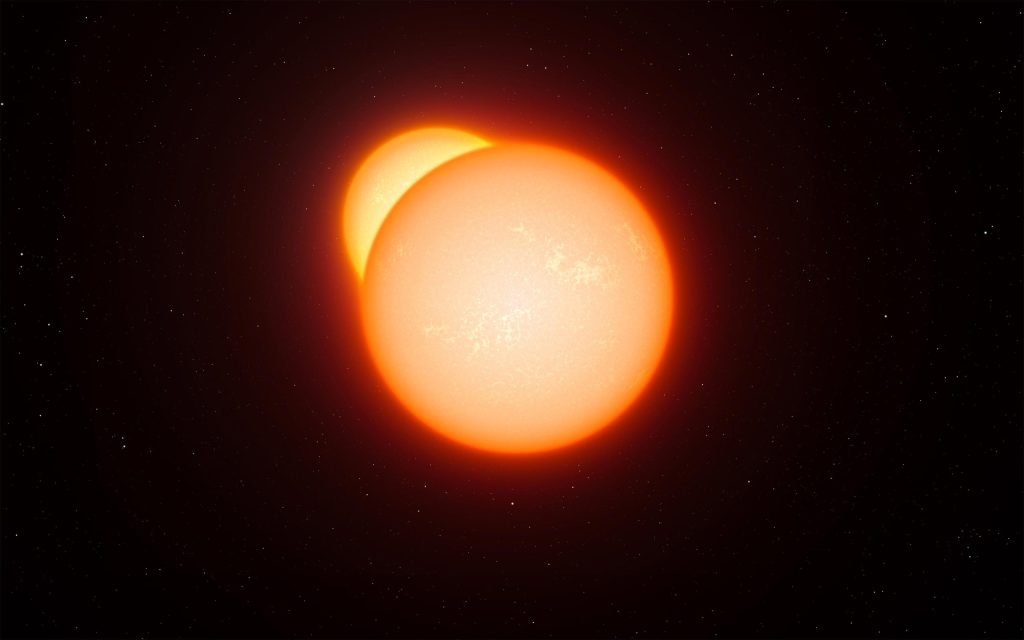
Eclipsing Binary Stars
Imagine a frisbee. At the center of this frisbee lies the sun — our sun, for simplicity’s sake. And sprinkled around the surface of its disk are all nine…excuse me, eight…planets of the solar system, plus the dwarf planets, asteroids, moons,…
-
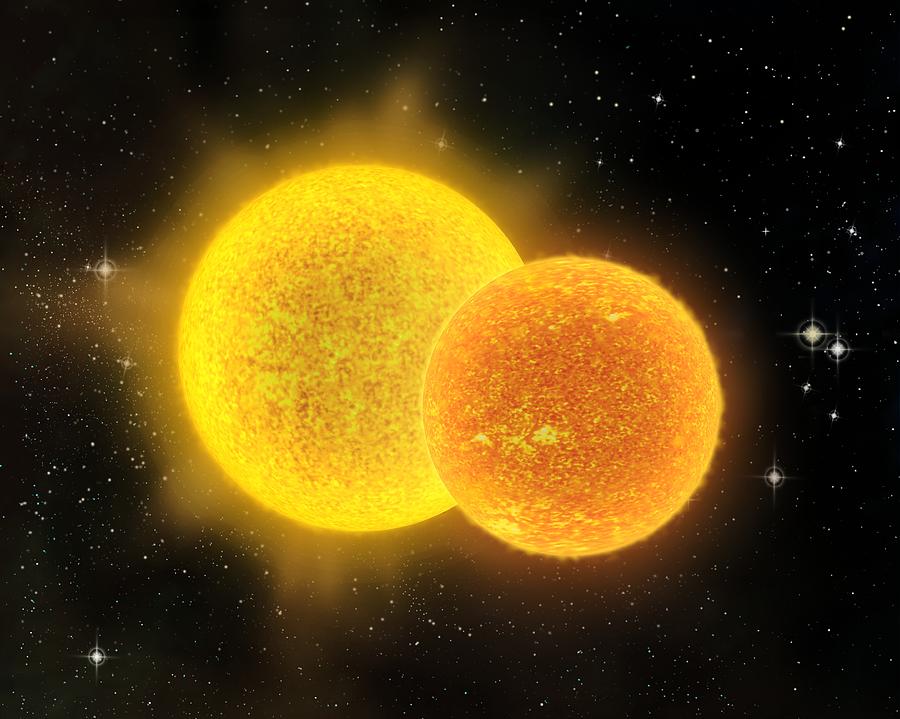
Spectroscopic Binary Stars
Consider a solar system far different from our own. A solar system governed by two suns, and consisting of planets we can only dream of. Would it surprise you to hear that, based on recent discoveries, that might actually be…
-

Visual Binary Stars
Here’s a visual binary that just about stretches the limits of the definition. It’s a star, though you’ll never see it like this with the naked eye. Specifically, this is Sirius, the brightest star in the sky. But if you…
-
How Far Are the Stars?
Stars don’t look small because they’re really the size of pinholes in a blanket. The smallest are the size of Earth. The largest have 128,865,170 times Earth’s diameter. They look small in the sky because they’re distant. It’s for the same…
-

Star Luminosity Classes
What do you think it would mean for a star to be in a specific luminosity class? I mean…does that mean they go to school to learn how to be bright? (Ha, ha…yeah, I know, bad astronomy pun.) Well…not quite.…
-

The Starlight We Can’t See
Find yourself a dark, unpolluted night sky on a clear night free of clouds, and you are very likely to look up into the heavens and see a sight quite like this. It’s what we see of the Milky Way,…
-
The True Brightness of Stars
Have you ever looked up at the night sky and noticed that while relatively bright stars outline the constellations, there are numerous other stars that are almost too faint to see with the naked eye? If you ever noticed this,…
-

Stars and Proper Motion
Recognize this constellation? Well, at the time stamp of about 2000 AD (CE), I think you will. It’s one of the most famous constellations in the night sky. Well, technically, it’s not a constellation at all. It’s an asterism — a…
