giants
-

What are Variable Stars?
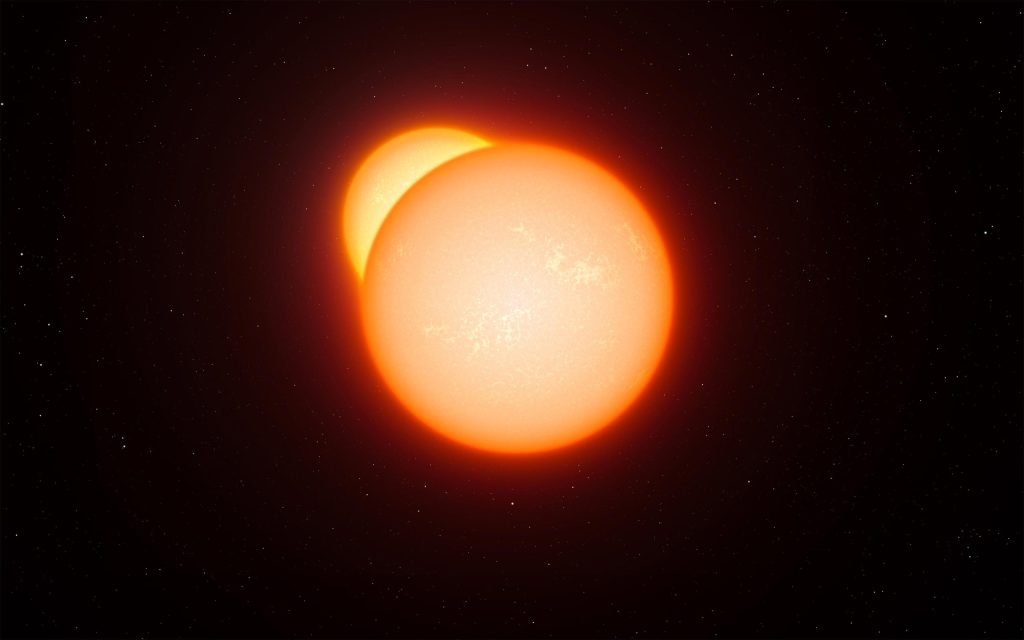
What if I told you that the “two” stars you see here are actually one and the same? This star, known as L Carinae after its location in the southern constellation Carina, is actually what we call a variable star.…
-
How a Star Expands
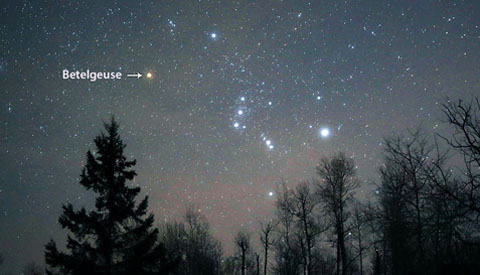
Meet Betelgeuse, a bright star in the winter constellation Orion. Betelgeuse is a cool red supergiant that we’ll talk about a lot more in just a couple weeks, when we cover variable stars. Not too long ago, it was the…
-

What is a “Normal” Star?
If we were talking about people, I’d say there’s no such thing as a “normal” person. We’re all weird in our own way — that’s what makes us unique and ourselves. However, there’s such a thing as a functional human…
-
Star Mass and Density
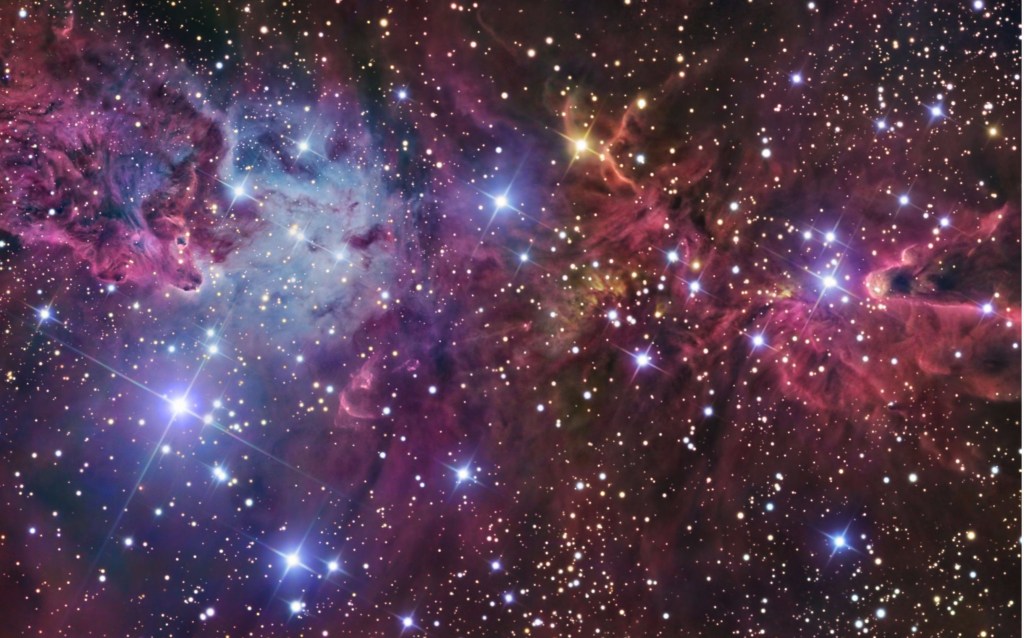
What makes a star shine bright? Much earlier on — probably months ago now — I explained how something called the proton-proton chain generates massive amounts of energy within stars, and enables them to fuel whole solar systems. That’s the battery…
-
The Average Star
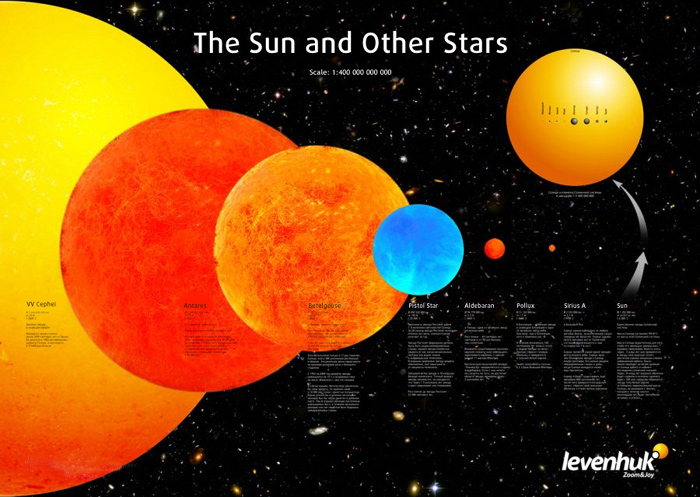
What the heck is the average star like? We’ve talked about a lot of stars over the past few weeks. We’ve discovered the vast distances between the stars, looked more closely at what really makes a star bright, and covered all…
-
Eclipsing Binary Stars
Imagine a frisbee. At the center of this frisbee lies the sun — our sun, for simplicity’s sake. And sprinkled around the surface of its disk are all nine…excuse me, eight…planets of the solar system, plus the dwarf planets, asteroids, moons,…
-
Star Types Demystified
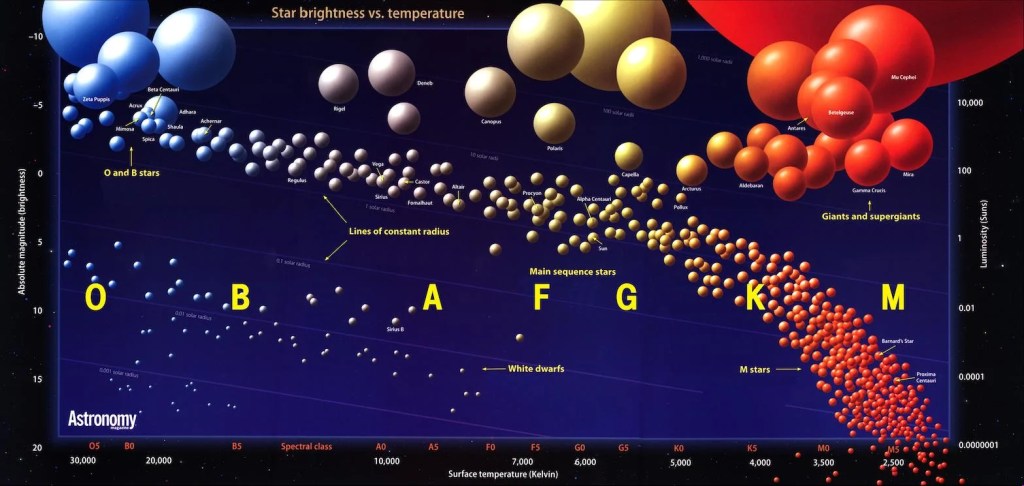
By now, I’ve introduced you to a lot of different ways to classify stars. Months ago, I talked about the different spectral classes — O, B, A, F, G, K, and M. Even before that, I told you about apparent visual…
-

Star Luminosity Classes
What do you think it would mean for a star to be in a specific luminosity class? I mean…does that mean they go to school to learn how to be bright? (Ha, ha…yeah, I know, bad astronomy pun.) Well…not quite.…
-
Just How Big Are Stars?
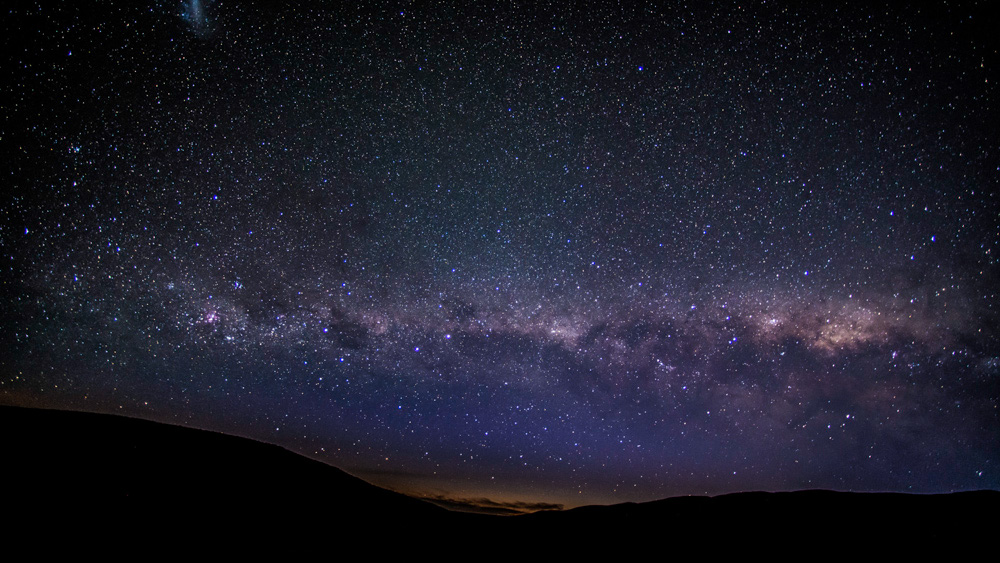
Tell me about the stars you see in this image. They look like billions of little pinpricks of light, right? It’s hard to imagine that each one of these is probably the size of the sun…or much larger. And the…
