Emma
-
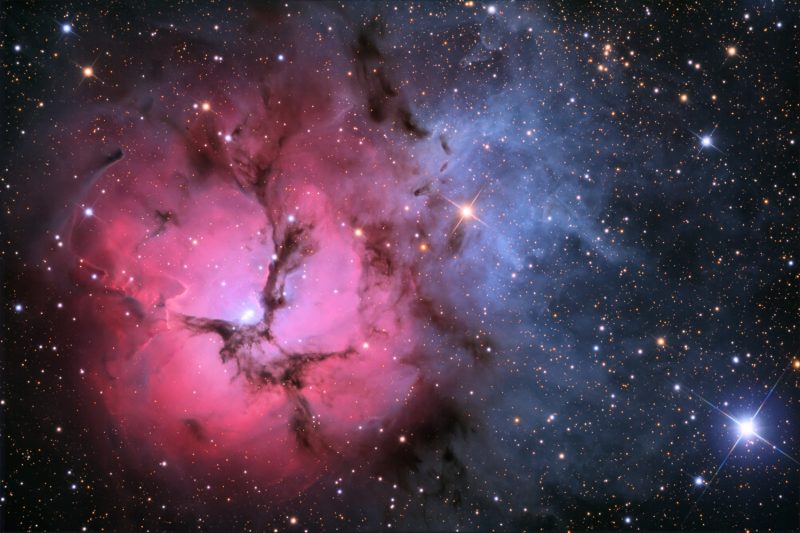
What is a Nebula Made of?
What you see here is the Trifid Nebula, a vast cloud of gas and dust in space. In my last post, we explored why it looks the way it does. We discovered that the pink hues of emission nebulae are caused…
-
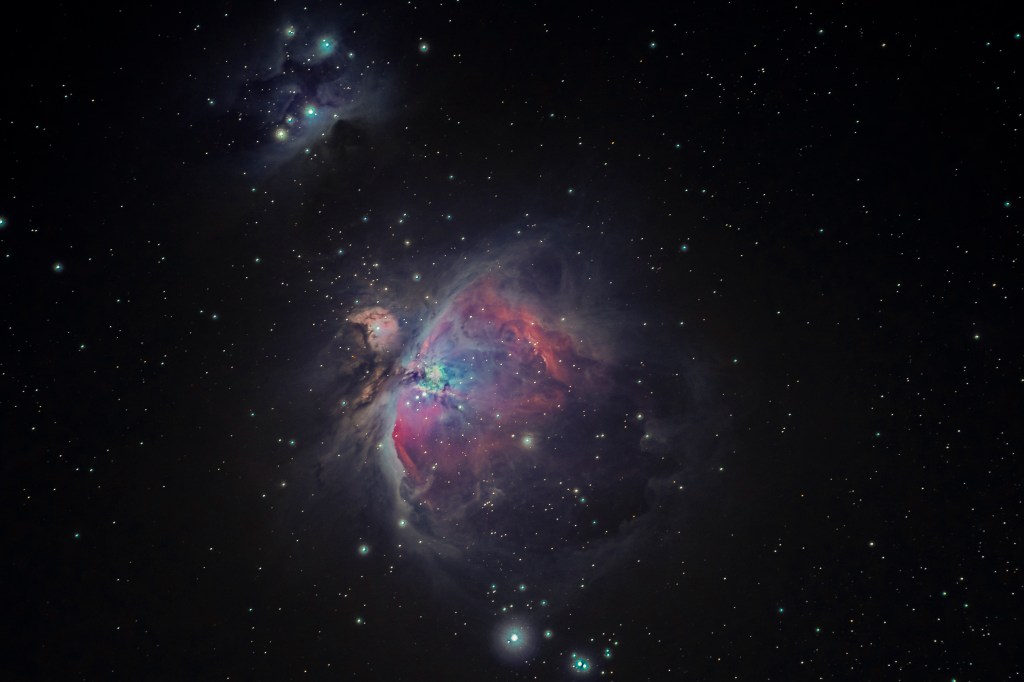
What is a Nebula?
What’s a nebula? Well…you’re looking at one. Okay, okay, I know. You want to know what that actually is. You want to know why it’s there. You want to know why there are colors in space…and why you’ve never noticed…
-
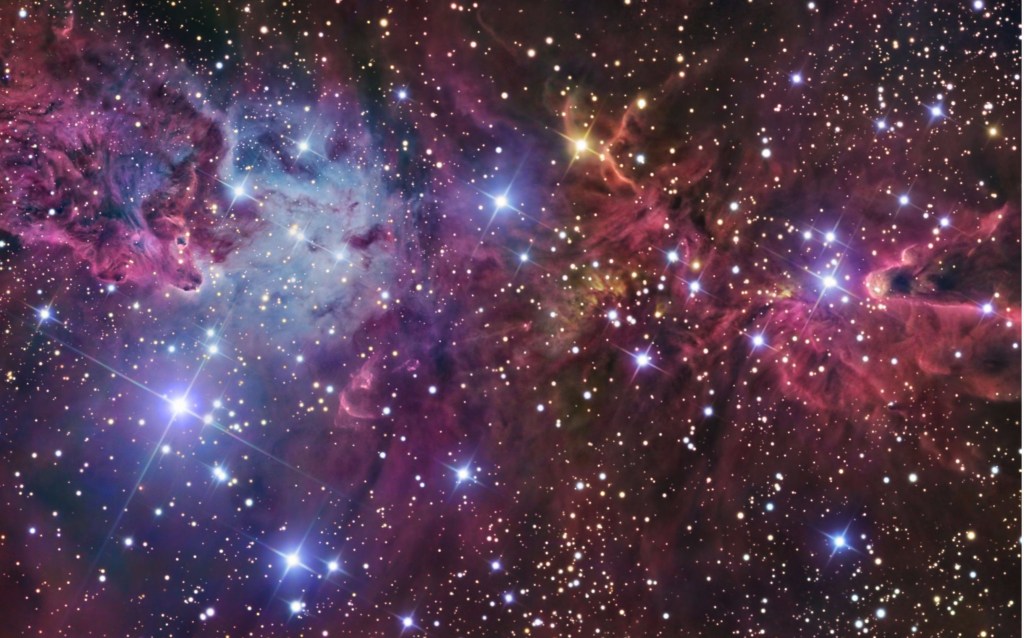
Star Mass and Density
What makes a star shine bright? Much earlier on — probably months ago now — I explained how something called the proton-proton chain generates massive amounts of energy within stars, and enables them to fuel whole solar systems. That’s the battery…
-
The Average Star
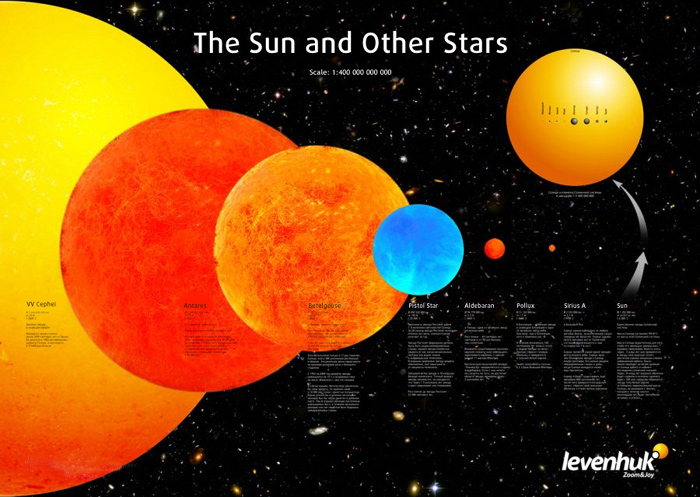
What the heck is the average star like? We’ve talked about a lot of stars over the past few weeks. We’ve discovered the vast distances between the stars, looked more closely at what really makes a star bright, and covered all…
-
Eclipsing Binary Stars
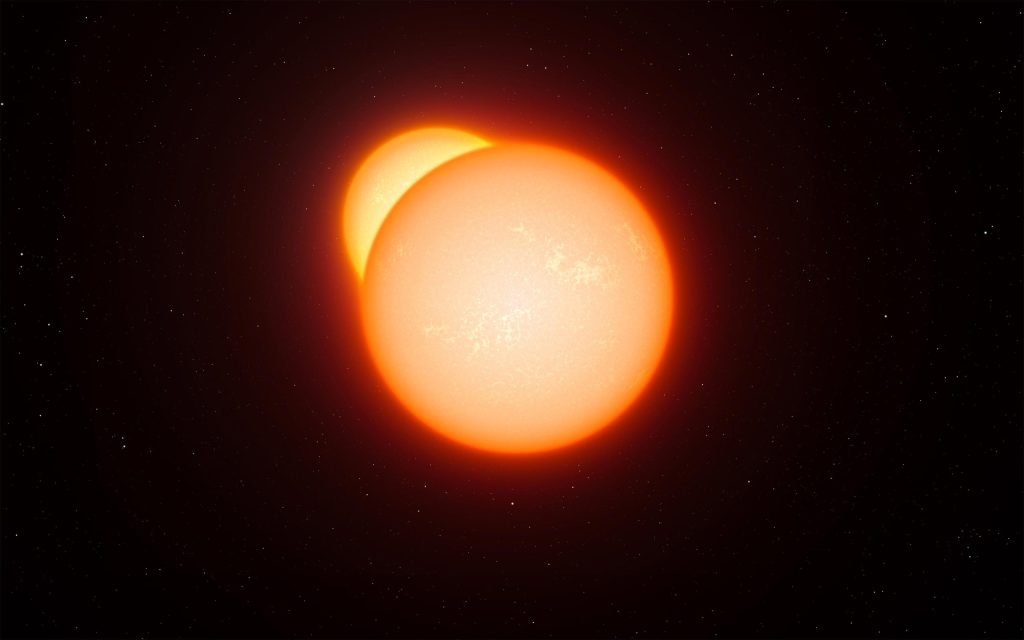
Imagine a frisbee. At the center of this frisbee lies the sun — our sun, for simplicity’s sake. And sprinkled around the surface of its disk are all nine…excuse me, eight…planets of the solar system, plus the dwarf planets, asteroids, moons,…
-
Spectroscopic Binary Stars
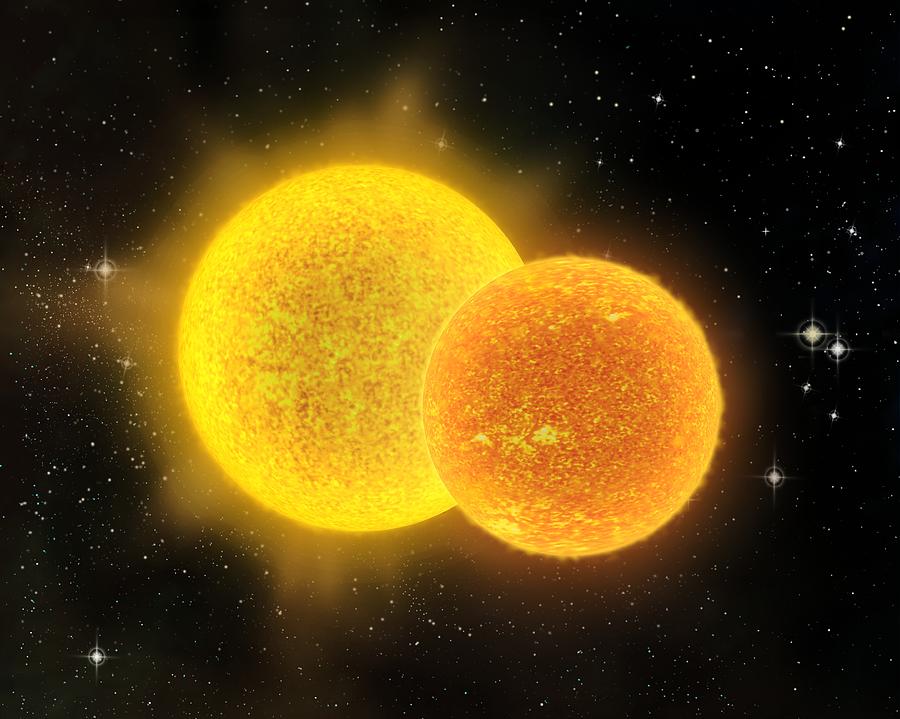
Consider a solar system far different from our own. A solar system governed by two suns, and consisting of planets we can only dream of. Would it surprise you to hear that, based on recent discoveries, that might actually be…
-

Visual Binary Stars
Here’s a visual binary that just about stretches the limits of the definition. It’s a star, though you’ll never see it like this with the naked eye. Specifically, this is Sirius, the brightest star in the sky. But if you…
-
Binary Stars
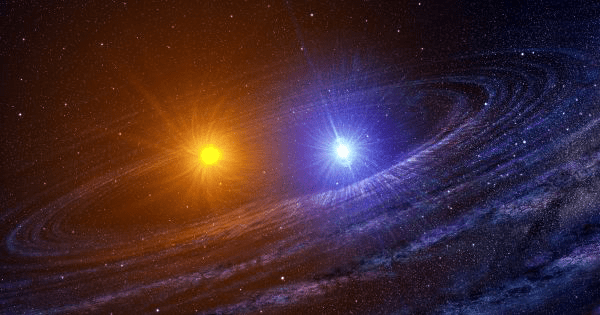
We know how big stars are; they range from the size of the Earth to over a thousand times the size of the sun (which is in itself over one hundred times the size of the Earth). We know they’re…
-
Star Types Demystified
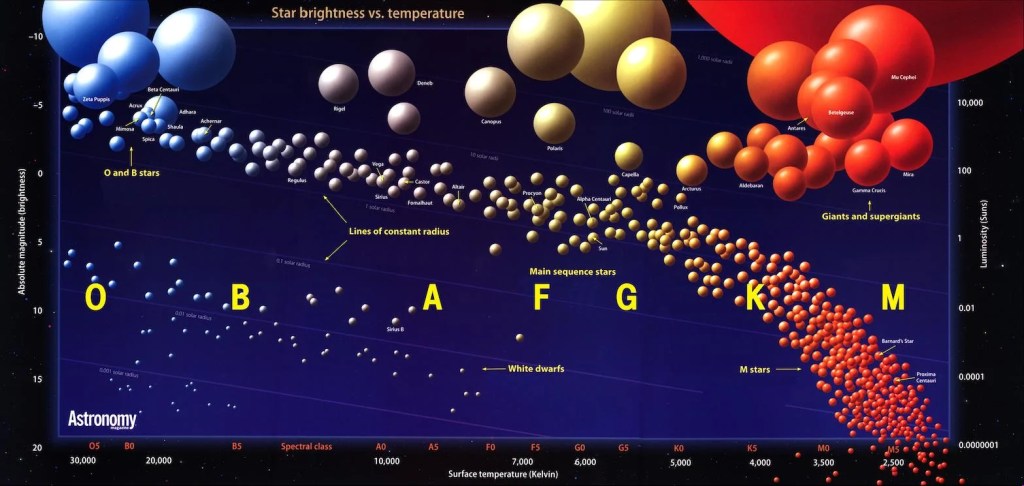
By now, I’ve introduced you to a lot of different ways to classify stars. Months ago, I talked about the different spectral classes — O, B, A, F, G, K, and M. Even before that, I told you about apparent visual…
-

What Makes a Star Blue?
Albireo is the distinctive double star in the head of the constellation Cygnus. You can find it yourself if you look for the Summer Triangle amid the dusty trail of the Milky Way across the night sky. The brighter, orange…
